

Key takeaways:
- Formal plated meals offer structured pacing and highly controlled presentation.
- Elevated family style encourages guest interaction and provides a communal, shared feast.
- Consider venue space, table sizes, and staffing requirements when finalizing your choice.
Planning a memorable gathering involves countless decisions, but few impact the guest experience quite like the meal presentation. The way food arrives at the table sets the immediate tone for the entire evening. As hosts explore various luxury event service styles, the debate often narrows down to two popular options. You must weigh the refined elegance of a plated meal against the engaging warmth of a shared feast.
Both approaches offer incredible opportunities to delight your guests with exceptional culinary artistry. Understanding the specific benefits of each format helps you align the catering logistics with your overall vision. This guide compares these top-tier luxury event service styles to help you finalize the perfect menu presentation for your upcoming celebration.
The Elegance of the Traditional Plated Dinner
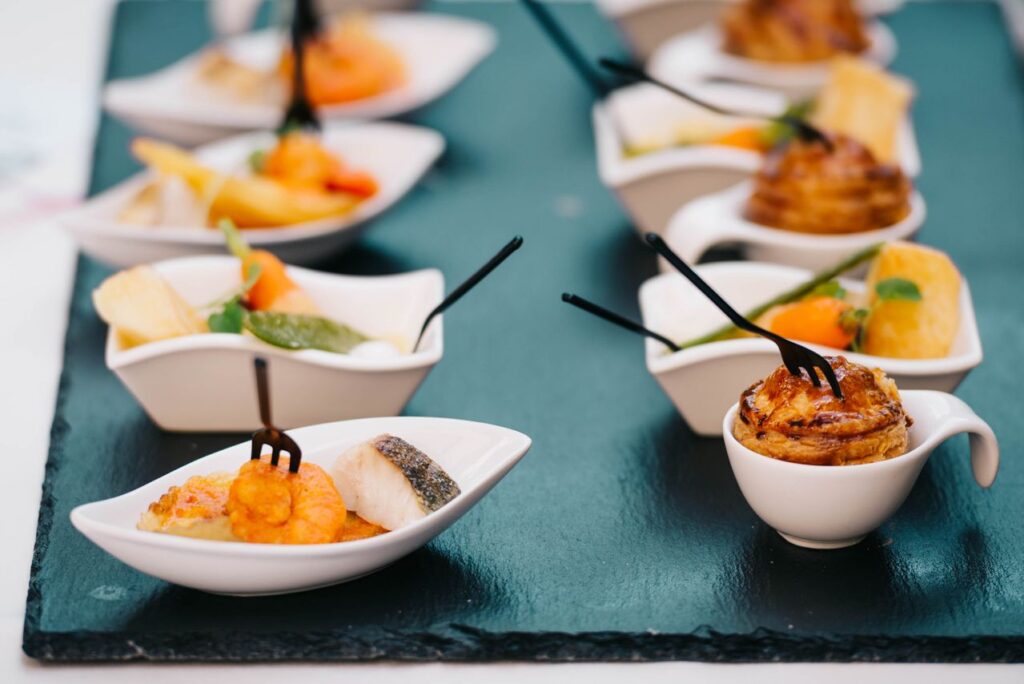
When guests picture a formal affair, they usually envision a multi-course, individually served meal. This format remains the gold standard for black-tie weddings and structured gala dinner formats. A plated dinner guarantees that every single dish looks exactly as the executive chef intended. The culinary team plates each element with extreme precision, creating a visual masterpiece for every attendee.
This highly organized approach allows for tight control over the event timeline. Your planner knows exactly when the salad course ends and when the entrees arrive. If your evening includes multiple speeches, awards, or specific entertainment segments, this predictability is a massive advantage. You can schedule the program perfectly around the kitchen’s established rhythm without unexpected delays.
A Highly Personalized Approach
A premium plated service also caters easily to individual dietary restrictions. A high-end catering service will track guest preferences in advance, ensuring that vegetarian or gluten-free attendees receive their specialized meals without any fuss. The waitstaff delivers these custom plates quietly, allowing all guests to enjoy their food simultaneously.
This level of individualized attention makes everyone feel valued and thoroughly pampered. It reflects a high standard of hospitality that defines traditional luxury event service styles. Guests appreciate the formal touch of having their needs anticipated and met without having to ask.
The Warmth of Elevated Family Style
If you want to break the ice and encourage lively conversation, a shared meal presents an excellent alternative. Elevated family style takes the comforting concept of passing dishes and upgrades it with gourmet cuisine and beautiful serving vessels. Waiters bring large, exquisitely garnished platters directly to the tables, allowing guests to serve themselves and each other.
This format inherently sparks interaction among tablemates. Passing a beautiful platter of grilled sea bass or roasted seasonal vegetables naturally prompts conversation, even among strangers. When evaluating the plated dinner vs family style options, many hosts prefer the shared approach because it makes a grand ballroom feel like an intimate dinner party.
Variety and Abundance
One major benefit of this approach is the visual abundance it creates. Guests get to sample a little bit of everything rather than committing to a single protein. This variety accommodates different appetites and flavor preferences on the spot.
It transforms the meal into an interactive experience where attendees curate their own perfect plates. The sheer volume of food displayed in the center of the table feels generous, inviting, and highly festive.
Matching the Service to Your Event Atmosphere
Your choice ultimately depends on the specific mood you want to cultivate. Think about how you want your guests to feel from the moment they sit down. Do you prefer a quiet, highly orchestrated environment, or a buzzing, dynamic room? Different luxury event service styles directly influence the volume and energy of the dining space.
For highly formal corporate events or traditional weddings, the individual plate remains unmatched in its sophistication. The synchronized service of an expert waitstaff dropping plates simultaneously offers a theatrical element. Conversely, if your goal is to host a joyous, highly social celebration where laughter rings across the room, the communal passing of dishes works wonders.
Logistical Considerations for a Flawless Execution
Behind the scenes, these two formats require entirely different logistical setups. Family style requires significantly more table real estate. You need enough room for the large serving platters alongside the floral centerpieces, glassware, and individual settings. If you plan to use narrow farm tables, shared platters might crowd the space and frustrate your guests.
Staffing needs also shift depending on your choice of luxury event service styles. A plated meal demands a massive culinary assembly line in the kitchen and a high ratio of servers to guests. You will need experienced luxury catering staff NYC to execute a synchronized service flawlessly. Shared platters require fewer servers on the floor, but the kitchen must prepare larger volumes of food to ensure platters look full and abundant until the last guest is served.
Conclusion
Selecting the right meal presentation transforms a standard dinner into an unforgettable gathering. Whether you lean toward the artistic precision of individual plates or the abundant joy of shared platters, both methods offer exceptional ways to entertain. By matching your culinary vision with the appropriate luxury event service styles, you guarantee a flawless and memorable experience. Review your timeline, assess your venue space, and choose the format that best reflects your unique brand of hospitality.