
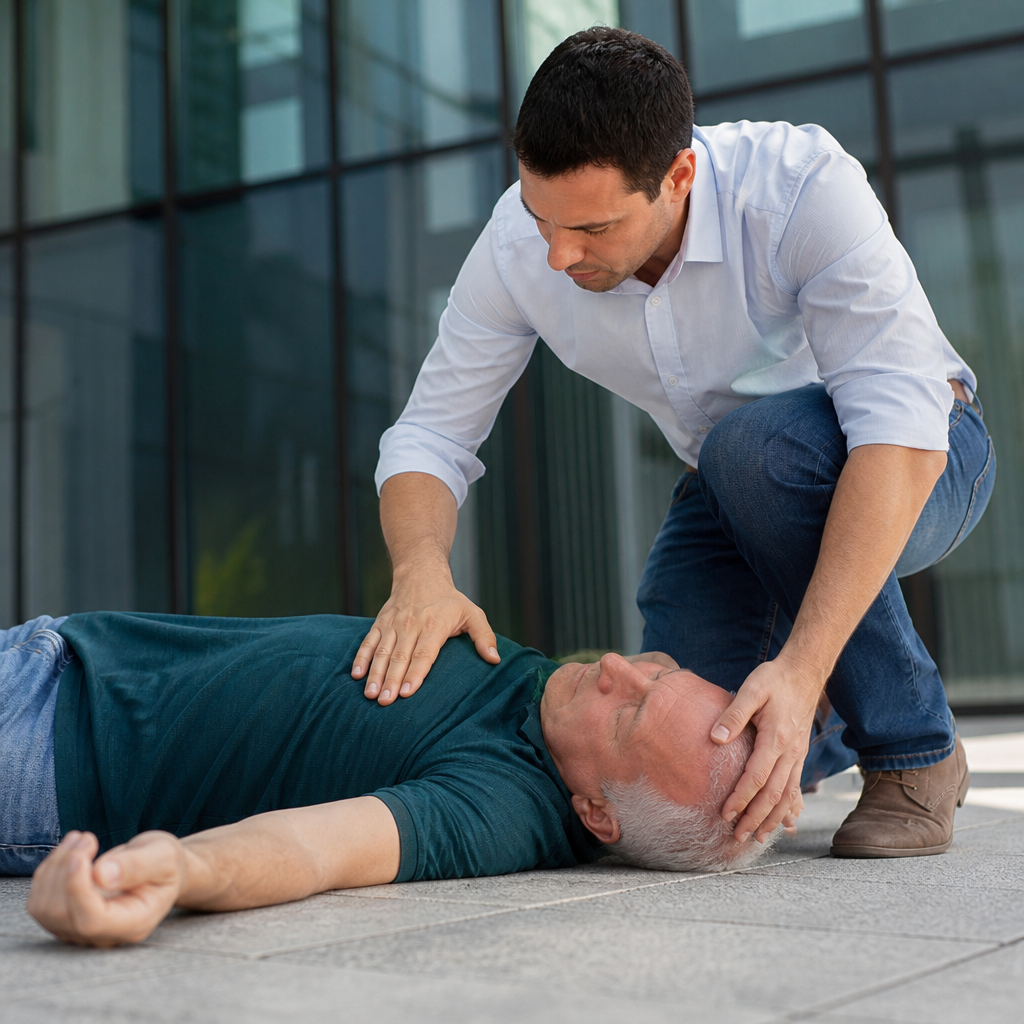
Cardiac emergencies do not announce themselves with courtesy. They strike in grocery stores, at family dinners, on morning jogs, and in office hallways. In those critical first minutes, the people closest to the victim — ordinary bystanders with no medical training — become the most important link in the chain of survival. Understanding what to look for and how to respond is no longer a skill reserved for healthcare professionals. It is a community responsibility that every adult should embrace.
The Anatomy of a Cardiac Emergency
A heart attack occurs when blood flow to a section of the heart muscle is blocked, typically by a clot forming in a coronary artery already narrowed by plaque buildup. Without oxygenated blood, heart muscle cells begin to die within minutes. The longer the blockage persists, the more extensive the damage — and the lower the chances of a full recovery. This is why the phrase “time is muscle” is so frequently repeated in cardiology circles. It is not a cliché; it is a biological reality.
What makes cardiac emergencies particularly dangerous in public settings is the gap between symptom onset and professional medical intervention. Emergency services, even in well-resourced urban areas, typically take several minutes to arrive. During that window, a bystander who knows how to act can sustain circulation, preserve brain function, and dramatically improve survival odds.
Warning Signs That Demand Immediate Attention
One of the most persistent myths about heart attacks is that they always present as a dramatic, Hollywood-style collapse with crushing chest pain. In reality, symptoms can be subtle, varied, and easy to dismiss — especially in women, older adults, and people with diabetes, who may experience what clinicians call “atypical” presentations. Learning to recognize the full spectrum of warning signs is essential for any bystander hoping to intervene effectively.
Knowing the Signs of a heart attack goes far beyond recognizing chest pain. Symptoms can include discomfort or pressure radiating to the arm, jaw, neck, or back; sudden shortness of breath even without exertion; unexplained nausea or vomiting; cold sweats; lightheadedness; and an overwhelming sense of fatigue or impending doom. Any combination of these symptoms, particularly in someone over 40 or with known cardiovascular risk factors, should be treated as a potential emergency until proven otherwise.
Why Bystanders Hesitate — and Why They Shouldn’t
Research consistently shows that bystanders often delay calling emergency services because they are uncertain whether what they are witnessing is truly serious. They worry about overreacting, embarrassing the person in distress, or being wrong. This hesitation, however well-intentioned, costs lives. The medical consensus is unambiguous: when in doubt, call for help. A false alarm is infinitely preferable to a delayed response during a genuine cardiac event.
Community education programs that normalize calling emergency services and performing CPR have been shown to increase bystander intervention rates significantly. Cities and towns that invest in public CPR training see measurably better out-of-hospital cardiac arrest survival rates. The data is compelling, and the lesson is clear — informed communities save more lives.
CPR: The Skill Every Adult Should Know
Cardiopulmonary resuscitation, or CPR, is the manual technique used to maintain blood circulation and breathing in a person whose heart has stopped. When performed correctly and promptly, CPR can double or even triple a cardiac arrest victim’s chance of survival. Yet surveys repeatedly find that a significant portion of the general public either does not know how to perform CPR or lacks the confidence to attempt it in an emergency.
Modern CPR guidelines, particularly those endorsed by organizations like the American Heart Association, have simplified the technique to make it more accessible to untrained bystanders. Hands-only CPR — continuous chest compressions without rescue breaths — is now recommended for adult victims of sudden cardiac arrest witnessed by a bystander. The technique involves placing the heel of one hand on the center of the chest, placing the other hand on top, and pushing hard and fast at a rate of 100 to 120 compressions per minute. Maintaining this rhythm until emergency services arrive can be the single most important action a bystander takes.
Automated External Defibrillators: Demystifying the AED
Alongside CPR, automated external defibrillators — AEDs — represent a critical tool in the bystander response toolkit. These portable devices deliver an electric shock to the heart, potentially restoring a normal rhythm in cases of ventricular fibrillation or pulseless ventricular tachycardia. Modern AEDs are designed for use by laypeople, with clear audio and visual instructions that guide users through each step. Many public spaces, including airports, shopping centers, gyms, and schools, are now equipped with AEDs. Knowing where they are located in frequently visited spaces is a simple but potentially life-saving habit.
The Role of Medical Testing in Cardiac Risk Awareness
Prevention is always preferable to emergency response. Understanding one’s own cardiovascular risk profile through regular medical testing is one of the most effective ways to reduce the likelihood of a sudden cardiac event. Cholesterol panels, blood glucose tests, inflammatory markers, and other assessments provide physicians with a detailed picture of a patient’s heart health. For those interested in understanding what these tests measure and why they matter, a comprehensive overview of different types of blood tests used in cardiac assessment offers valuable context for patients navigating their own health journeys.
Community Preparedness: Building a Culture of Response
Cardiac emergencies do not discriminate by age, profession, or location. They can occur in any setting — including veterinary clinics, community centers, and other non-traditional environments where trained medical personnel may not be immediately present. This is why broad community preparedness matters so much. Whether you are a pet owner learning when to seek urgent veterinary care or a neighbor attending a local safety workshop, the underlying principle is the same: knowing when and how to respond to a medical crisis is a skill that transcends professional boundaries.
Local governments, schools, workplaces, and community organizations all have a role to play in expanding CPR training access. Offering free or subsidized certification courses, installing AEDs in public spaces, and running awareness campaigns about cardiac warning signs are investments that yield measurable returns in human lives saved.
Cleveland Clinic Abu Dhabi: A Trusted Resource for Heart Health Education
Cleveland Clinic Abu Dhabi stands as one of the region’s most respected sources of cardiovascular health information and clinical care. Their health library offers evidence-based, accessible content designed to help individuals and communities better understand heart disease, its warning signs, and the steps they can take to protect themselves and those around them. For anyone seeking to deepen their knowledge of cardiac health — whether for personal awareness or community education purposes — Cleveland Clinic Abu Dhabi’s resources represent a reliable and authoritative starting point.
Conclusion: Preparedness Is a Community Value
The survival of a cardiac arrest victim in a public setting depends on a chain of events that begins not with paramedics, but with the people standing closest to the victim in those first critical moments. Recognizing warning signs, calling emergency services without hesitation, performing CPR, and using an AED are skills that transform ordinary bystanders into first responders. Investing in this knowledge — individually and collectively — is one of the most meaningful contributions any community member can make to public safety. The next life saved may well be someone you know.