
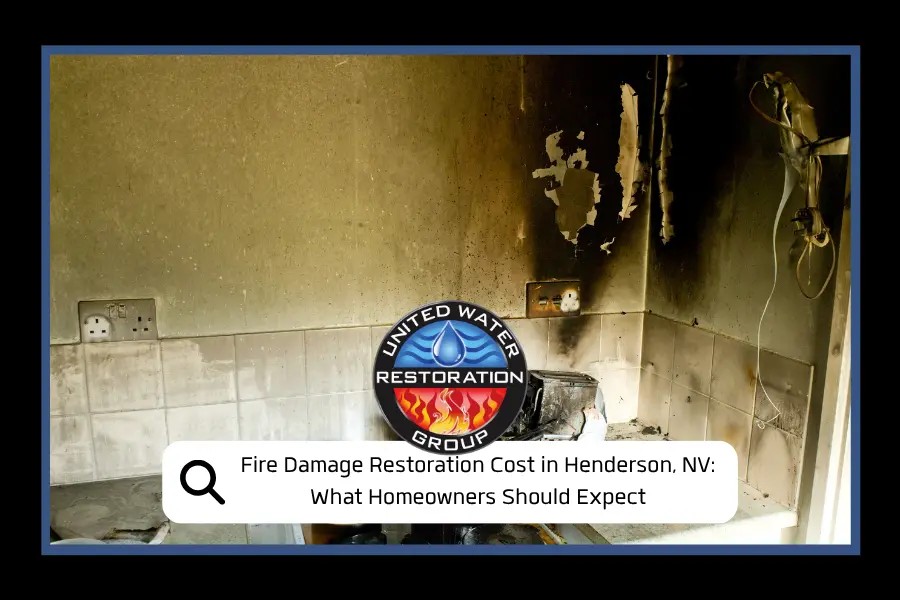
Smoke odors can remain after flames are extinguished and visible debris is removed. Professional restoration can eliminate many of these odors by cleaning soot, treating hidden areas, removing damaged materials, and using deodorizing methods suited to the property.
What Does Smoke Odor Removal Involve?
A restoration provider can inspect the property, identify affected materials, and create a treatment plan based on how the fire developed. The extent of smoke, soot, and odor contamination can influence fire restoration expenses, particularly when affected materials require specialized cleaning or replacement. Successful odor removal addresses the source instead of simply covering the smell with fragrance.
The process may include:
- Inspecting every room for smoke and soot
- Identifying the materials that burned
- Determining which type of smoke residue is present
- Removing charred and unsalvageable materials
- Using HEPA vacuums to collect loose particles
- Cleaning walls, ceilings, floors, and fixtures
- Treating carpets, upholstery, and other contents
- Inspecting heating and cooling equipment
- Cleaning accessible vents and duct components
- Treating concealed wall and ceiling cavities
- Using air scrubbers and deodorizing equipment
- Applying sealers to suitable prepared surfaces
- Drying moisture left by firefighting work
- Testing rooms after treatment
- Recording cleaned, stored, and discarded items
Not every property requires every step. The methods should reflect the type of fire, the materials involved, the spread of smoke, and the condition of the building.
How Does Restoration Remove Smoke Odors?
Smoke odor removal is a sequence. Technicians first locate contamination, remove loose residue, clean affected surfaces, and then use appropriate deodorizing treatments.
Inspecting the Pattern of Smoke Travel
Smoke carries tiny particles that settle on walls, ceilings, floors, and contents. Technicians inspect each room to map where residue traveled and where odors remain strongest.
The inspection also considers what burned and how long smoke remained inside. These details help determine which surfaces need cleaning, sealing, treatment, or replacement too.
Identifying the Type of Soot
Soot behaves differently depending on the material that burned and the heat involved. Each smoke residue requires a suitable cleaning approach too.
Using the wrong method can smear soot, set stains, or damage a surface. Technicians test selected areas first and match products and tools to the residue they identify onsite.
Removing Loose Surface Particles
Fire damage restoration removes loose soot before deeper odor treatments begin. Controlled surface cleaning reduces particles that continue releasing smells.
Technicians work from cleaner areas toward heavier contamination. This order limits cross-contamination and keeps residue from being carried back onto treated surfaces onsite.
Checking Hidden Building Cavities
Smoke can move through door gaps, ductwork, wall openings, and ceiling cavities. Odor may remain inside insulation or hidden framing even after visible rooms look clean alone.
Targeted inspection helps locate these concealed sources. Materials that cannot be cleaned fully may need controlled removal before odor treatment can produce lasting results.
Treating Porous Materials
Porous materials absorb smoke more deeply than glass, metal, or sealed stone. Carpets and unfinished wood may hold odor below the exposed surface at all.
Some items respond to specialist cleaning, while badly charred materials fail. The decision depends on contamination, material value, safety, and expected restoration results.
Using Professional Deodorization Methods
Professional UWRG of Henderson fire damage restoration services treat the source instead of masking it with fragrance. Cleaning, removal, and deodorization are selected for the affected materials fully.
Deodorizing equipment works best after soot and damaged contents are addressed. Applying fragrance alone may cover the smell briefly while the original residue remains active.
Which Factors Affect Smoke Odor Removal?
Smoke does not affect every property in the same way. Fire temperature, burning materials, ventilation, exposure time, moisture, and surface porosity can all influence the work required.
- Selecting Suitable Deodorizing Equipment
Technicians may use hydroxyl generators, air scrubbers, thermal fogging, or ozone in suitable conditions. Each method requires correct setup and safety controls.
Ozone gas can be hazardous to people, animals, plants and some materials. Occupancy restrictions and ventilation requirements must be followed whenever that method is selected.
- Inspecting Heating and Cooling Systems
Heating and cooling systems can circulate smoke through ducts and return vents. Filters and accessible components may require inspection and cleaning.
The system should not be restarted casually after a fire. Operating contaminated equipment can spread particles into rooms that were previously less affected by the smoke too.
- Sealing Suitable Structural Materials
Drywall and timber may retain odor after their surfaces are cleaned. A suitable sealer can lock in residue when removal is unnecessary and conditions are stable too.
Sealing is not a shortcut for heavy soot or trapped moisture. Surfaces must be prepared correctly, and damaged materials should be removed when they cannot be restored safely.
- Cleaning Furniture and Personal Contents
Smoke can settle on furniture, clothing, electronics, books, and personal items. Each category might need a different process, storage plan, or specialist assessment.
Contents are inventoried ahead of treatment or disposal. Clear records help property owners and insurers understand what was cleaned, stored, replaced, or deemed unsalvageable.
- Conducting Follow-Up Odor Checks
Odor can return when humidity rises or hidden residue warms up. Follow-up inspections let technicians check treated rooms under usual indoor conditions carefully.
A room that smells clean immediately after treatment may also need monitoring. Final evaluation should occur after ventilation and once temporary deodorizing products are gone.
- Controlling Moisture After Firefighting
Firefighting water can add moisture to smoke-damaged materials and create another odor source. Drying should happen alongside cleaning so dampness does not delay recovery too.
Moisture readings help to confirm whether walls, floors, and framing are ready for sealing or rebuilding. Dry materials also reduce the risk of microbial growth after the fire.
How Can Property Owners Support the Restoration Process?
Property owners should avoid disturbing soot before the restoration team assesses it. Incorrect cleaning can press residue deeper into materials, spread particles, and make staining more difficult to remove.
| Property condition | Likely concern | Possible restoration response |
| Light dry soot on sealed surfaces | Loose surface contamination | HEPA vacuuming and suitable cleaning |
| Oily residue on walls and fixtures | Smeared or bonded soot | Material-specific cleaning products |
| Odor inside wall cavities | Hidden smoke contamination | Targeted access, cleaning, or removal |
| Smoke in vents and filters | Recirculation through the property | HVAC inspection and component cleaning |
| Charred porous materials | Deep odor and structural damage | Controlled removal and replacement |
| Cleaned surfaces with remaining odor | Residue below the surface | Further treatment or suitable sealing |
| Wet smoke-damaged materials | Combined moisture and odor | Drying, cleaning, and moisture monitoring |
Property owners can also:
- Keep people and pets away from damaged rooms
- Avoid wiping soot with household cleaners
- Do not use ordinary vacuums on fine soot
- Turn off affected heating and cooling systems
- Photograph rooms before moving contents
- Record damaged personal belongings
- Save contractor reports and receipts
- Report hidden odors during the initial inspection
- Tell technicians where smoke smells strongest
- Share details about materials that burned
- Avoid spraying fragrances over affected surfaces
- Follow instructions for temporary access restrictions
- Ask which items can be cleaned or restored
- Confirm that wet materials have been dried
- Request a final inspection before rebuilding
Clear communication supports a complete assessment. Odors may be strongest at certain times, under humid conditions, or when the heating system runs, so these details should be shared with the restoration team.
Conclusion
Fire damage restoration can remove smoke odors when technicians address soot, contaminated materials, hidden cavities, contents, and ventilation systems. Cleaning must come before deodorizing, while damaged items may need removal or sealing. The process includes moisture control and final inspection. The goal is not to cover the smell, but to remove or contain each source before rebuilding begins.