
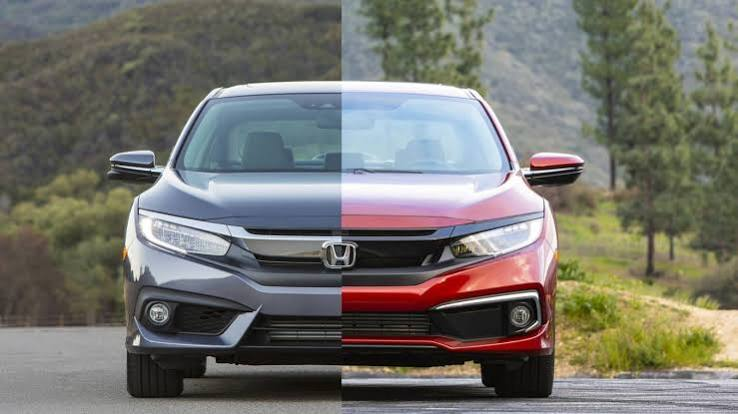
Choosing a new vehicle involves more than selecting an attractive design or a familiar automotive brand. Newly released models often introduce updated technology, improved safety systems, revised interiors, and different powertrain options. Understanding these changes can help buyers identify a vehicle that meets their everyday requirements and long-term expectations. When exploring new Honda models for sale, it is worth comparing important features such as performance, fuel efficiency, passenger comfort, safety technology, and ownership costs. Taking time to evaluate these factors can make it easier to choose a Honda that offers the right combination of practicality and modern features.
Compare Engine Options and Overall Performance
Engine performance is one of the first factors to consider when comparing newly released Honda models. Different vehicles are designed for different driving requirements, so the right engine depends on how and where you plan to drive.
Honda offers a range of powertrain configurations across its vehicle lineup. Models such as the Civic and Accord provide sedan options, while the CR-V, HR-V, and Pilot serve buyers looking for different SUV sizes. Depending on the model and year, buyers may find naturally aspirated engines, turbocharged options, or hybrid powertrains.
Consider how much acceleration, power, and responsiveness you need for everyday travel. Drivers who regularly commute through busy urban areas may prioritize smooth acceleration and easy handling. Those who frequently travel on highways may prefer a vehicle that provides comfortable cruising performance.
It is also useful to compare transmission types and drivetrain configurations. These differences can influence the driving experience, particularly when travelling through different road conditions.
Evaluate Fuel Efficiency and Hybrid Technology
Fuel efficiency can make a noticeable difference in the overall cost of vehicle ownership. When comparing newly released Honda models, examine their official fuel economy estimates rather than relying only on general brand claims.
Honda offers hybrid options in selected models, including the Accord and CR-V. These vehicles combine a gasoline engine with electric motor technology to improve efficiency under suitable driving conditions.
Hybrid vehicles can be particularly appealing to people who regularly travel through urban areas with frequent stops and starts. Their powertrain systems can use electric assistance to reduce fuel consumption in certain situations.
However, the most fuel-efficient option depends on individual driving habits. Highway commuters, city drivers, and people who regularly carry heavy loads may experience different results.
Compare the estimated city and highway fuel economy figures for each model. It is also worth considering fuel tank capacity, recommended fuel type, and your typical weekly driving distance before making a decision.
Examine Interior Comfort and Passenger Space
A vehicle’s interior can significantly influence the ownership experience. Even a model with impressive performance and technology may not be suitable if it does not provide enough passenger space or everyday comfort.
Honda offers different interior layouts to accommodate various needs. The Civic and Accord provide sedan configurations, while the HR-V and CR-V offer SUV practicality. The larger Pilot is designed for buyers who need additional passenger capacity and available three-row seating.
When comparing models, pay attention to front and rear legroom, headroom, seat support, and overall cabin layout. These details become particularly important for families or people who regularly travel with passengers.
Interior materials and seating features are also worth examining. Depending on the model and trim, Honda vehicles may offer heated front seats, power-adjustable seating, leather-trimmed surfaces, and dual-zone automatic climate control.
A test drive can help you determine whether the seating position, visibility, and cabin controls feel comfortable for your daily routine.
Review Infotainment and Connectivity Features
Modern vehicles increasingly rely on digital technology to provide entertainment, navigation, and communication features. Newly released Honda models may include updated infotainment systems, larger touchscreen displays, and improved smartphone connectivity.
Depending on the vehicle and trim, available features may include Apple CarPlay, Android Auto, Bluetooth connectivity, USB charging ports, and wireless smartphone integration.
These technologies allow drivers to access compatible navigation applications, music services, and communication functions through the vehicle’s infotainment system.
When comparing different Honda models, examine the touchscreen size, display responsiveness, available physical controls, and ease of navigating the system. A complicated interface can become frustrating during everyday use.
Some models and configurations may also offer wireless charging, premium audio systems, and additional connectivity features. Buyers should check which features come standard and which require a higher trim level or optional package.
Understand Available Safety and Driver Assistance Systems
Safety technology is another important consideration when comparing new vehicles. Honda incorporates its Honda Sensing suite into many newer models, although the availability and specifications of individual features vary.
Depending on the model, available technologies may include the Collision Mitigation Braking System, Road Departure Mitigation System, Adaptive Cruise Control, and Lane Keeping Assist System.
These features are designed to provide assistance in certain driving situations. For example, automatic emergency braking technology can help reduce the risk or severity of certain frontal collisions, while lane assistance systems can provide additional support when travelling on marked roads.
Other available features may include blind spot information systems, rear cross traffic monitoring, parking sensors, and multi-angle rearview cameras.
It is important to compare the actual safety equipment included in each vehicle rather than assuming every model offers identical features. Buyers should also review independent crash-test information and understand the limitations of driver assistance technologies.
Compare Exterior Design and Practical Dimensions
Exterior appearance is often one of the first things buyers notice when exploring new vehicles. However, design should be considered alongside practicality.
Honda models feature different body shapes, dimensions, and styling characteristics. The Civic offers a relatively compact sedan or hatchback design in selected markets, while the Accord provides a larger sedan profile. SUVs such as the HR-V, CR-V, and Pilot offer different combinations of height, passenger space, and cargo capacity.
Consider the vehicle’s overall length, width, height, and turning radius. These measurements can influence parking convenience, garage compatibility, and manoeuvrability in busy areas.
Ground clearance may also matter for drivers who regularly encounter uneven roads or steep driveways. Buyers interested in SUVs should compare these dimensions alongside cargo access and rear visibility.
The best exterior design is not necessarily the largest or most visually striking. It should complement your driving environment and practical requirements.
Explore Available Trim Levels and Optional Features
A single Honda model may be available in several trim levels, each offering a different combination of equipment, comfort, and technology.
Entry-level trims generally focus on essential features and affordability, while higher trims may introduce upgraded interior materials, larger displays, additional safety equipment, and enhanced convenience features.
For example, different Honda CR-V trims may provide different seating materials, audio systems, wheel designs, and technology packages. Similar differences can be found across other models.
Before choosing a trim, identify which features you will genuinely use. Paying extra for equipment that rarely contributes to your driving experience may not provide the best value.
It is also useful to compare the standard equipment against optional packages. Two vehicles with similar advertised prices may offer noticeably different features depending on their configurations.
Consider Warranty Coverage and Ownership Costs
The initial purchase price is only one part of owning a new vehicle. Maintenance, insurance, fuel, replacement tires, and potential repair expenses should also be considered.
When comparing newly released Honda models, review the manufacturer’s warranty coverage and scheduled maintenance recommendations. Warranty terms may vary by market, so confirm the applicable coverage with the dealership.
Insurance costs can also differ depending on the model, engine, safety equipment, and vehicle value. Obtaining insurance estimates before purchasing can help you understand the broader financial commitment.
Another consideration is long-term resale value. While future market conditions cannot be predicted precisely, researching previous model performance and market demand may provide useful context.
A vehicle that offers reasonable operating costs alongside suitable features may provide better overall value than one selected solely because of its lower purchase price.
Take a Test Drive Before Making a Decision
Online research can help narrow down your choices, but experiencing a vehicle in person remains an important part of the comparison process.
A test drive allows you to evaluate acceleration, braking response, steering feel, cabin noise, seat comfort, and visibility. It also provides an opportunity to explore the infotainment system and understand how different controls operate.
Try to drive each shortlisted model under similar conditions so that comparisons are more meaningful. Pay attention to how the vehicle handles turns, uneven surfaces, parking situations, and regular traffic.
If you frequently travel with family members, consider bringing them along to assess rear-seat comfort and passenger space.
Making the Right Choice Among New Honda Models
Comparing newly released Honda models requires looking beyond appearance and focusing on the features that influence everyday ownership. Engine performance, fuel economy, interior comfort, connectivity, safety technology, and warranty coverage all contribute to the overall value of a vehicle.
The right choice depends on your budget, driving habits, passenger requirements, and preferred features. By comparing different models and trim levels, reviewing specifications, and arranging test drives, you can make a more informed purchasing decision.
Taking a thoughtful approach helps ensure that your next Honda provides the practicality, comfort, and technology you expect from a modern vehicle.