
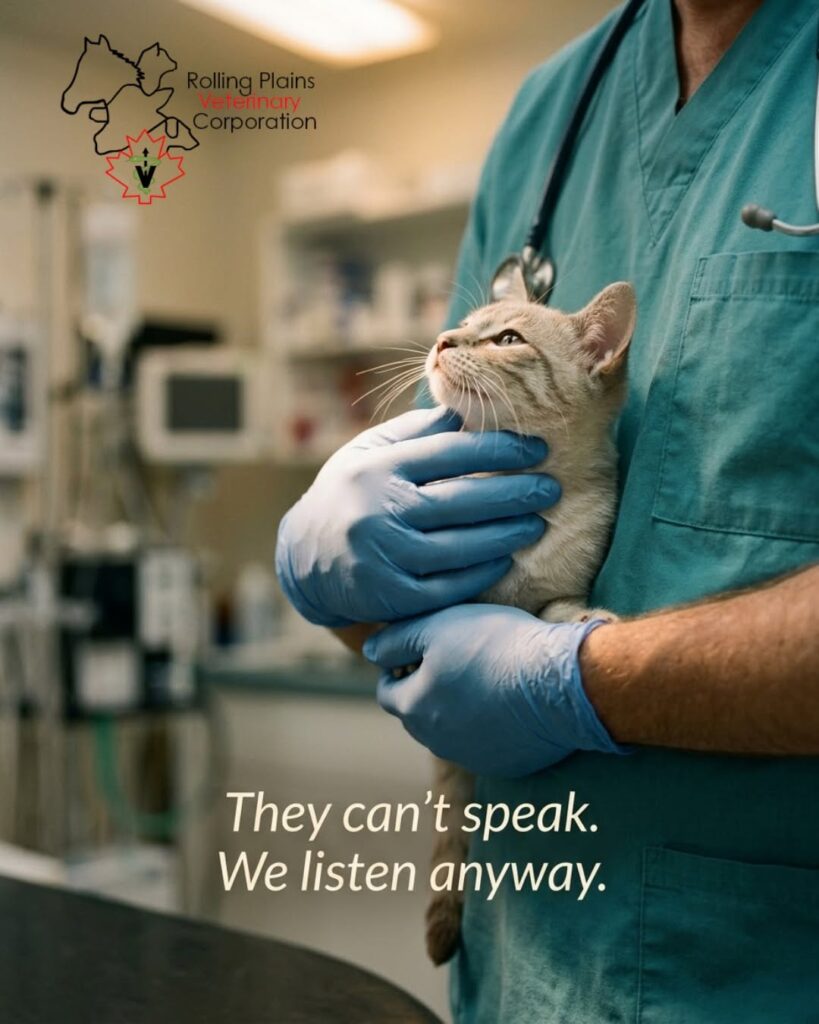
Knowing when to contact a veterinarian can make a significant difference in your animal’s health and comfort. Some concerns can wait for a routine appointment, while others may require prompt professional attention. A trusted Notre Dame vet clinic can help you determine whether your pet needs immediate care, a same-day visit, or a scheduled wellness exam. Paying attention to changes in behavior, appetite, mobility, and bathroom habits can help you recognize when something may be wrong. When in doubt, contacting a veterinary professional is often the safest way to understand what steps to take next.
Call When Your Pet Stops Eating or Drinking
A sudden loss of appetite can sometimes signal an underlying health problem, especially when it lasts longer than usual. Pets may refuse food because of dental pain, digestive issues, infection, stress, or other medical conditions. If your pet also appears weak, lethargic, or uncomfortable, it is a good idea to contact a Notre Dame vet clinic for guidance. Changes in water intake can also be important, since drinking much more or much less than usual may indicate a health concern. Your veterinarian can help determine whether the change is temporary or needs further evaluation.
The urgency may depend on your pet’s age, species, and overall health. Young animals, senior pets, and animals with chronic conditions may become dehydrated or weakened more quickly. Cats can also face serious complications if they go too long without eating. If your pet refuses both food and water, professional advice should be sought sooner rather than later. A veterinary team can ask questions about other symptoms and recommend whether an examination is necessary.
Contact a Vet for Persistent Vomiting or Diarrhea
An occasional episode of vomiting or loose stool may not always be an emergency, but repeated symptoms deserve attention. Persistent vomiting or diarrhea can lead to dehydration and may be caused by infections, parasites, dietary problems, toxins, or gastrointestinal disease. Blood in vomit or stool is another reason to contact a veterinarian promptly. If your pet appears weak, painful, bloated, or unusually quiet, the situation may require faster evaluation. A veterinary clinic can help determine the severity based on your pet’s symptoms and medical history.
You should also consider whether your pet may have eaten something unusual. Household items, spoiled food, plants, medications, and foreign objects can all cause digestive problems. If you suspect your pet swallowed a potentially harmful substance, contact a veterinarian rather than waiting for symptoms to worsen. Do not attempt to induce vomiting unless a veterinary professional specifically instructs you to do so. Prompt guidance can reduce the risk of complications.
Seek Veterinary Care for Breathing Problems
Difficulty breathing should always be taken seriously. Signs may include rapid breathing, labored breathing, open-mouth breathing, wheezing, coughing, or unusual chest movement. Some pets may also stretch their necks, appear restless, or refuse to lie down because they are struggling to breathe comfortably. These symptoms can be associated with heart problems, respiratory disease, allergic reactions, injury, or other serious conditions. Contacting a Notre Dame vet clinic promptly can help you determine what kind of care is needed.
Breathing concerns can worsen quickly, so it is important not to delay unnecessarily. Keep your pet calm and minimize physical activity while arranging veterinary care. Avoid placing pressure around the neck or chest, especially if your pet already seems distressed. A veterinarian may need to examine your pet’s lungs, heart, oxygen levels, or airway. A fast assessment can be especially important when breathing difficulty appears suddenly.
Call After an Injury or Accident
Accidents can happen even when pets appear healthy and active. Falls, vehicle accidents, animal bites, cuts, and other injuries may cause damage that is not immediately obvious. Some pets hide pain well, which means they may seem normal despite having internal injuries or significant discomfort. If your pet has experienced a serious accident, calling a veterinary clinic is a sensible precaution. A veterinarian can help you decide whether an immediate examination is necessary.
Watch for signs such as:
- Limping or inability to walk
- Bleeding that does not stop
- Swelling or obvious deformity
- Crying, trembling, or hiding
- Difficulty breathing
- Pale gums
- Sudden weakness
- Loss of consciousness
Even small wounds can become infected, especially if they were caused by another animal. Bite wounds can close at the surface while trapping bacteria beneath the skin. Your veterinarian may recommend cleaning, antibiotics, pain relief, or additional treatment depending on the injury. Early care can help prevent complications and support a smoother recovery.
Watch for Sudden Changes in Behavior
Behavioral changes are sometimes the first sign that an animal is not feeling well. A normally social pet may begin hiding, while an active animal may suddenly become quiet or reluctant to move. Increased aggression, restlessness, vocalization, confusion, or unusual sleeping patterns can also indicate pain or illness. These changes may be subtle, so owners often notice them before any obvious physical symptoms appear. Contacting a veterinarian can help determine whether the behavior warrants an examination.
Senior pets deserve particular attention when their behavior changes suddenly. Confusion, pacing, nighttime restlessness, or changes in house-training habits may be related to age-associated conditions. Pain from arthritis or dental disease can also affect mood and activity levels. Your veterinarian can evaluate possible medical causes before assuming the issue is purely behavioral. This is one reason regular veterinary care remains important throughout a pet’s life.
Call About Changes in Urination
Problems with urination can become serious quickly, particularly in cats. Straining to urinate, producing only small amounts of urine, crying in the litter box, or repeatedly attempting to urinate may indicate a urinary blockage or other condition. If no urine is being produced, immediate veterinary attention may be necessary. Blood in the urine, sudden accidents indoors, or unusually frequent urination are also reasons to call your veterinarian. These symptoms can be associated with infections, stones, kidney problems, or metabolic conditions.
Changes in thirst may occur at the same time. Drinking significantly more water than usual can sometimes accompany urinary or hormonal problems. Your veterinarian may recommend urine testing, bloodwork, imaging, or other diagnostic procedures. Early evaluation can make it easier to identify the cause. Keeping track of when the symptoms started can also provide helpful information during the appointment.
Schedule Routine Care Even When Your Pet Seems Healthy
You do not need to wait for a problem before calling your veterinarian. Routine wellness appointments are an important part of preventive care and can help identify health changes before they become obvious at home. During an examination, your veterinarian may assess your pet’s teeth, weight, heart, lungs, joints, skin, and overall condition. Preventive visits also provide an opportunity to discuss nutrition, parasite control, vaccinations, and lifestyle. A strong relationship with a local clinic can make it easier to manage both routine and unexpected health needs.
Regular veterinary visits are especially useful as pets age. Older animals may benefit from more frequent physical exams and screening tests. Conditions involving the kidneys, liver, joints, heart, and endocrine system may develop gradually. Monitoring changes over time gives your veterinarian more information to work with. Preventive care can support comfort, mobility, and long-term quality of life.
Contact a Vet if Your Pet May Have Ingested Something Toxic
Pets are curious, and they sometimes eat things that can be dangerous. Human medications, certain foods, household chemicals, pesticides, and some plants may cause serious illness. If you know or suspect that your pet ingested something toxic, contact a veterinary professional promptly. Do not wait for symptoms to appear, since some substances can cause internal damage before obvious signs develop. Providing the product name, approximate amount, and time of ingestion can help the veterinary team evaluate the risk.
Potential warning signs of poisoning may include vomiting, drooling, tremors, weakness, seizures, breathing difficulties, or unusual behavior. Keep any packaging or labels available if it is safe to do so. Veterinary staff may ask you to bring this information with you. Avoid giving home remedies unless instructed by a veterinarian. Getting accurate advice quickly is the best way to reduce uncertainty in a potentially serious situation.
Frequently Asked Questions About Calling a Notre Dame Vet Clinic
How do I know if my pet needs urgent veterinary care?
Call a veterinarian if your pet has trouble breathing, severe bleeding, repeated vomiting, collapse, seizures, major trauma, or difficulty urinating. These symptoms may require prompt evaluation.
Should I call if my pet only vomits once?
A single episode may not always be serious if your pet otherwise seems normal. Contact your veterinarian if vomiting continues, contains blood, or is accompanied by weakness, pain, or other symptoms.
When should I call about limping?
Contact a vet if limping is severe, appears suddenly, follows an injury, or does not improve. Inability to bear weight is also a reason to seek veterinary advice.
Is a change in appetite enough reason to call?
Yes, especially if your pet refuses food for an extended period or has other symptoms. Young, senior, and chronically ill animals may need faster evaluation.
Should I call if my pet is drinking more water than usual?
A noticeable increase in thirst can sometimes indicate an underlying condition. Your veterinarian can determine whether testing or monitoring is appropriate.
Can I call a clinic if I am unsure whether my pet needs an appointment?
Yes. Veterinary staff can often ask a few questions about the symptoms and help you decide whether an examination should be scheduled.
Know When to Contact Your Notre Dame Vet Clinic
Recognizing changes early can help you respond more confidently when your pet is sick, injured, or behaving unusually. A dependable Notre Dame vet clinic can provide guidance for everything from routine wellness care to more urgent health concerns. You should contact your veterinarian when you notice persistent digestive problems, breathing difficulty, appetite changes, urinary issues, injuries, unusual behavior, or possible toxin exposure. Even if you are unsure whether a situation is serious, asking for professional guidance can help clarify the next step. Having an established veterinary provider also means your pet’s health history is already available when unexpected concerns arise.
Veterinary care is not only about responding to emergencies. Routine checkups, vaccinations, preventive treatments, dental care, and age-related monitoring all contribute to long-term health. Staying observant at home and maintaining regular veterinary visits can help you notice changes sooner. When something seems different, trust your knowledge of your pet and reach out for advice when needed. A strong relationship with your veterinary team can give you dependable support throughout every stage of your animal’s life.