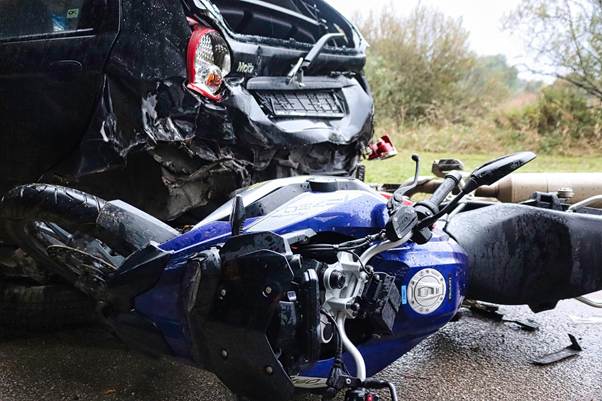
Photo from pixabay
Have you ever walked away from an accident thinking you were lucky to escape with only a few bumps and bruises? That’s a common reaction after a motorcycle crash. In fact, many riders leave the scene believing they avoided serious harm, only to discover days or weeks later that their injuries were far more severe than they initially realized.
The reason is simple: some of the most dangerous motorcycle accident injuries do not show symptoms right away. A concussion may feel like a mild headache at first. Internal bleeding may not become noticeable until hours later. Even back injuries, nerve damage, and psychological trauma can take time to fully develop.
That is what makes these injuries so dangerous. When symptoms are delayed, accident victims often underestimate the seriousness of their condition, postpone medical treatment, or assume they will recover on their own. Understanding the risks associated with common motorcycle accident injuries is important because what happens in the days following a crash can have a lasting impact on both your health and your ability to pursue compensation.
Traumatic Brain Injuries Often Reveal Themselves Later
One of the most overlooked consequences of a motorcycle accident is a traumatic brain injury (TBI). Many people associate brain injuries with a loss of consciousness, but that is not always the case.
A rider may suffer a concussion or more serious brain trauma without realizing it immediately. Symptoms such as headaches, memory problems, confusion, dizziness, difficulty concentrating, and mood changes may not become noticeable until days after the collision.
The hidden danger is that untreated brain injuries can affect nearly every aspect of a person’s life. Victims may struggle at work, experience changes in their relationships, or require ongoing medical care. In severe cases, the effects can become permanent.
Internal Bleeding Can Become a Medical Emergency
Some of the most dangerous motorcycle accident injuries occur inside the body. Internal bleeding and organ damage often present few symptoms immediately after a crash.
A rider may initially believe they escaped with minor soreness only to experience increasing pain, dizziness, fatigue, or shortness of breath later. By the time symptoms become obvious, the condition may already be life-threatening.
These injuries are particularly common in high-impact collisions where the rider strikes another vehicle, the pavement, or roadside objects. Prompt medical evaluation is often the only way to identify internal injuries before they become critical.
Spinal Cord and Nerve Damage Can Have Lasting Consequences
Back and neck injuries are among the most serious outcomes of motorcycle accidents. While some victims recover from soft tissue injuries, others face permanent spinal cord damage or nerve injuries.
The consequences can include:
- Chronic pain
- Loss of mobility
- Numbness or weakness in the limbs
- Reduced ability to work
- Partial or complete paralysis
What makes these injuries especially dangerous is that symptoms sometimes develop gradually. A rider who initially feels only stiffness or discomfort may later discover significant damage to the spine or surrounding nerves.
The long-term financial impact can also be substantial, requiring surgery, rehabilitation, physical therapy, and future medical care.
Psychological Trauma Is a Hidden Injury Too
Not every motorcycle accident injury is visible on an X-ray.
Many riders experience emotional and psychological effects after a serious crash. Anxiety, depression, panic attacks, sleep disturbances, and post-traumatic stress disorder (PTSD) are all common following traumatic collisions.
Some victims become fearful of riding again. Others struggle with flashbacks, nightmares, or difficulty returning to normal activities. These injuries can be just as disruptive as physical injuries, yet they are frequently overlooked during the early stages of recovery.
Because psychological trauma is less visible than a broken bone or laceration, victims sometimes wait too long to seek treatment. Doing so can prolong recovery and make daily life significantly more difficult.
Chronic Pain can Persist Long After Physical Injuries Heal
Another hidden danger involves chronic pain conditions that develop after a motorcycle accident.
Even when fractures heal and wounds close, underlying nerve damage, joint injuries, and soft tissue trauma can continue causing pain for months or years. Some victims develop recurring neck pain, back pain, headaches, or reduced mobility that interferes with work and everyday activities.
Insurance companies often focus on immediate medical treatment, but chronic pain can create lasting financial and personal challenges long after the initial recovery period ends.
Key Takeaways
- Some motorcycle accident injuries may not show symptoms immediately.
- Traumatic brain injuries can develop without a loss of consciousness.
- Internal bleeding and organ damage can become life-threatening if left untreated.
- Spinal cord and nerve injuries may lead to permanent disability.
- Psychological trauma and PTSD are common but often overlooked consequences of motorcycle accidents.
- Chronic pain conditions can persist long after visible injuries heal.
- Delaying medical treatment can negatively affect both recovery and a personal injury claim.
- Prompt medical evaluation helps identify hidden injuries and preserve important evidence.