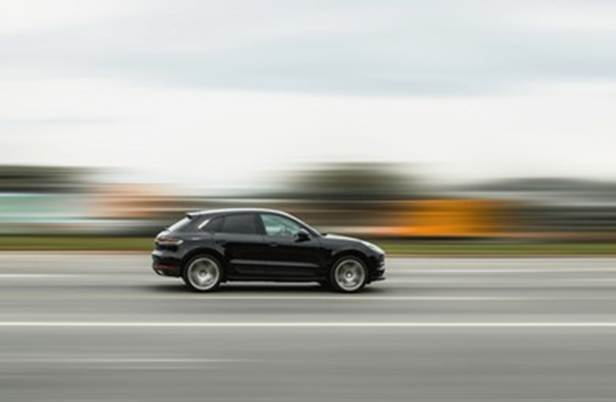
Speeding accidents often lead to serious injuries because higher vehicle speeds increase the force of impact, reduce driver reaction time, and make crashes more difficult to avoid. Even a small increase in speed can greatly increase the risk of severe injuries or fatalities for drivers, passengers, pedestrians, and cyclists.
Every day, drivers travel on highways, city streets, and residential roads where traffic conditions can change quickly. Safe driving requires enough time to react to sudden stops, lane changes, road hazards, and unexpected traffic patterns.
Unfortunately, many drivers exceed posted speed limits or drive too fast for weather and road conditions. Speeding accidents continue to be one of the leading causes of serious motor vehicle injuries across the United States because high-speed collisions often create devastating physical and financial consequences.
Higher Speeds Create Greater Impact Forces
One major reason speeding crashes are so dangerous is the increased force generated during impact. The faster a vehicle travels, the greater the collision force when a crash occurs.
High-impact crashes may cause:
- Severe vehicle damage
- Crushing injuries
- Ejection from vehicles
- Fatal head trauma
Even modern vehicle safety systems cannot fully eliminate the dangers associated with extreme crash forces.
Drivers Have Less Time to React
Speeding reduces the amount of time drivers have to notice and respond to hazards on the road.
A speeding driver may struggle to:
- Stop in time for traffic
- Avoid pedestrians
- Respond to sudden lane changes
- Navigate sharp turns safely
Reduced reaction time makes accidents more likely, especially in crowded or unpredictable driving conditions.
Stopping Distance Increases Significantly
Many drivers underestimate how much additional stopping distance is needed at higher speeds. Braking distance increases rapidly as speed increases.
For example:
- A vehicle traveling at higher speeds requires more roadway to stop completely
- Wet roads or poor weather can make stopping even harder
- Heavy traffic reduces safe braking space
Longer stopping distances often contribute to rear-end collisions and intersection crashes.
Speeding Makes Vehicle Control More Difficult
Vehicles become harder to control at excessive speeds. Drivers may lose stability while turning, braking, or changing lanes suddenly.
Loss of control can lead to:
- Rollovers
- Spinouts
- Head-on collisions
- Multi-vehicle crashes
High-speed driving reduces a driver’s ability to safely handle unexpected situations.
Serious Injuries Are Common in High-Speed Crashes
Because of the extreme force involved, speeding crashes frequently cause catastrophic injuries.
Common injuries include:
- Traumatic brain injuries
- Spinal cord damage
- Broken bones
- Internal bleeding
- Severe burns or lacerations
Some victims may face lifelong disabilities or permanent medical complications.
Pedestrians And Cyclists Face Greater Risks
Speeding is especially dangerous for pedestrians and cyclists because they have little physical protection during collisions.
At higher speeds:
- Pedestrians are more likely to suffer fatal injuries
- Cyclists may experience severe trauma
- Drivers may be unable to stop in time at crosswalks
Urban areas and residential neighborhoods often become especially hazardous when drivers ignore speed limits.
Weather Conditions Make Speeding More Dangerous
Driving too fast during rain, fog, snow, or icy conditions can significantly increase accident risks. Drivers must adjust speed based on road and weather conditions, not just posted limits.
Poor weather may reduce:
- Tire traction
- Visibility
- Braking performance
- Vehicle stability
Even legal speed limits may become unsafe during severe weather.
Speeding Often Combines with Other Risky Behaviors
Many speeding crashes also involve other dangerous driving behaviors that further increase accident risks.
These behaviors may include:
- Distracted driving
- Drunk driving
- Aggressive driving
- Tailgating
When multiple forms of negligence occur together, the likelihood of severe injuries rises dramatically.
Traffic Laws Address Speeding Dangers
State traffic laws prohibit unsafe speeding because of the serious public safety risks involved.
For example, California Vehicle Code § 22350, commonly known as the Basic Speed Law, requires drivers to operate vehicles at speeds that are reasonable and safe for current road conditions.
Violating traffic safety laws may strengthen liability claims after an accident.
Financial And Emotional Consequences Can Be Severe
Serious speeding crashes often leave victims facing long recoveries and major financial hardship.
Accident victims may experience:
- Expensive medical bills
- Lost income
- Ongoing rehabilitation
- Emotional trauma
- Chronic pain
Families may also face emotional stress and long-term caregiving responsibilities.
Prevention Starts with Responsible Driving
Most speeding accidents are preventable. Drivers who obey speed limits and adjust to traffic conditions help reduce crash risks for everyone on the road.
Safe driving habits include:
- Allowing extra travel time
- Maintaining safe following distances
- Slowing down during bad weather
- Avoiding aggressive driving
Responsible driving decisions can save lives.
Key Takeaways
- Speeding accidents often cause severe injuries because of higher crash impact forces.
- Excessive speed reduces driver reaction time and increases stopping distance.
- High-speed crashes commonly lead to brain injuries, spinal injuries, and fatalities.
- Speeding makes vehicles harder to control during emergencies.
- Pedestrians and cyclists face especially high risks in speeding collisions.
- Bad weather conditions make speeding even more dangerous.
- California Vehicle Code § 22350 requires drivers to maintain safe speeds for road conditions.
- Safe driving habits can help prevent many serious speeding-related accidents.
Speeding remains one of the most dangerous forms of reckless driving because it dramatically increases both the likelihood and severity of collisions. Understanding these risks can help drivers make safer decisions and protect themselves and others on the road.