Memorial cards are small keepsakes that carry deep meaning. They are often given at funerals, memorial services, celebrations of life, wakes, or graveside gatherings as a way for family and friends to remember someone special. A thoughtful card can include a photo, favorite quote, prayer, poem, obituary, or personal message that reflects the loved one’s personality and legacy. Families often look for memorial card ideas that feel personal rather than generic, especially when they want guests to leave with something comforting and lasting. The best memorial cards do not need to be elaborate or expensive. They simply need to feel sincere, respectful, and connected to the life being honored.
What Is a Memorial Card?
A memorial card is a printed remembrance piece created in honor of someone who has passed away. It is usually small enough to keep in a wallet, Bible, scrapbook, memory box, or on a refrigerator. Many memorial cards include the person’s name, birth and death dates, photo, and a short tribute. Some cards are religious and include prayers or scripture, while others are more personal and include quotes, poems, or meaningful memories. They may be handed out during the service, mailed to loved ones, or placed on a memorial table. For many people, these cards become cherished reminders of the person’s life and the love they shared.
Classic Memorial Card Ideas
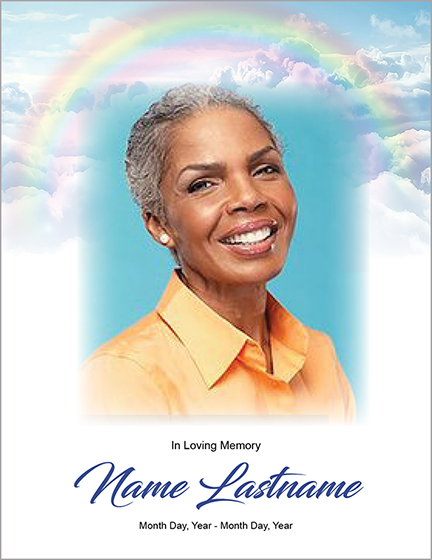
Classic memorial cards are timeless because they focus on simple, meaningful details. A traditional design often includes a favorite portrait, full name, important dates, and a brief message such as “In Loving Memory.” These cards may also feature soft colors, floral borders, candles, doves, crosses, or peaceful nature scenes. Families who want a formal or elegant keepsake often choose this style because it works well for many types of services. Classic cards can be religious, non-religious, or lightly spiritual, depending on the wording and imagery. They are a thoughtful choice when you want something beautiful, respectful, and easy for guests to keep.
Common details for a classic memorial card include:
- Full name of the loved one
- Birth date and date of passing
- A favorite photo or portrait
- A short memorial phrase
- Service date or location
- A prayer, poem, quote, or scripture
- A brief note from the family
Photo-Based Memorial Cards
Photo-based cards are among the most personal memorial card ideas because they visually capture the person’s spirit. Some families choose one formal portrait, while others prefer a candid image that shows a warm smile, favorite hobby, or meaningful moment. A single-photo card can feel clean and elegant, especially when paired with a short message or quote. A multi-photo layout can show different stages of life, such as childhood, marriage, family gatherings, travel, military service, or special milestones. When choosing photos, look for images that are clear, well-lit, and emotionally meaningful. The right photo can instantly bring comfort and help guests remember the person as they truly were.
You may also create a photo collage card for a celebration of life. This style works especially well for someone who had a full, active, colorful life surrounded by family and friends. A collage can include images from holidays, vacations, birthdays, graduations, weddings, or everyday moments at home. Be careful not to overcrowd the card, since small images can become hard to see once printed. If you have many photos to share, consider using a folded card or pairing the memorial card with a photo display at the service. A good design should feel warm and personal without becoming visually cluttered.
Religious and Spiritual Memorial Cards
Religious memorial cards often bring comfort to families and guests who share a faith tradition. These cards may include scripture passages, prayers, hymns, blessings, or religious symbols. Christian cards often feature crosses, doves, angels, churches, or Bible verses. Catholic memorial cards may include traditional prayers, saint imagery, rosaries, or Mass information. Other faith traditions may include meaningful blessings, sacred texts, cultural symbols, or prayers selected by the family. The most important thing is to choose wording and imagery that respectfully reflects the loved one’s beliefs.
Spiritual memorial cards can also be meaningful without following one specific religion. These may include messages about peace, love, nature, eternity, light, or reunion. Families sometimes choose images of sunsets, mountains, oceans, gardens, stars, butterflies, or birds to symbolize comfort and remembrance. A spiritual card may include a short poem, an inspirational quote, or a personal reflection about the person’s lasting presence. This style can be especially fitting for a celebration of life or a service with mixed beliefs. It allows the family to honor their loved one in a way that feels peaceful and inclusive.
Personalized Memorial Card Themes
A personalized theme can make a memorial card feel deeply connected to the person’s life. Instead of choosing a standard design, think about what made your loved one unique. A gardener might be honored with flowers, trees, or seed packet-style cards. A musician might be remembered with sheet music, instruments, lyrics, or a concert-inspired design. A veteran may be honored with patriotic colors, military symbols, or service details. A person who loved the outdoors might be remembered with mountains, lakes, forests, fishing scenes, or desert landscapes.
Personalized memorial card ideas can be inspired by:
- Favorite hobbies or pastimes
- Career or volunteer work
- Military service
- Faith or cultural traditions
- Favorite flowers, colors, or places
- Sports teams or school pride
- Travel memories
- Family traditions
- Pets or animals they loved
Meaningful Wording for Memorial Cards
The wording on a memorial card should be clear, heartfelt, and easy to read. Many cards begin with phrases such as “In Loving Memory,” “Forever in Our Hearts,” “Celebrating the Life of,” or “Remembering With Love.” You can include a short tribute that describes the person’s character, such as kind, generous, faithful, joyful, strong, wise, or loving. Some families prefer a formal tone, while others choose wording that sounds warm and conversational. If the person had a favorite saying or life motto, it can make the card feel especially personal. A few sincere words often mean more than a long message.
You may want to include a brief family message on the back of the card. This could thank guests for their support, share a favorite memory, or invite loved ones to keep the person’s legacy alive. For example, the message might say, “Thank you for honoring a life filled with love, laughter, and kindness.” Another option is to include a line such as, “May we remember her through every act of generosity and every story shared.” Keep the message short enough that the design still feels balanced. The best wording feels honest, comforting, and true to the loved one’s personality.
Creative Memorial Card Formats
Memorial cards do not have to follow one standard format. While traditional wallet-sized cards are common, families can choose shapes, materials, and layouts that feel more personal. Bookmark memorial cards are popular because guests can use them in a Bible, journal, or favorite book. Folded cards allow more space for photos, stories, prayers, and service details. Seed paper cards can be planted to grow flowers, herbs, or wildflowers in memory of the loved one. Magnet cards, postcard-style cards, and laminated cards are also practical keepsakes that can be displayed or preserved.
Creative formats can be especially helpful when the memorial service has a theme. A bookmark may fit someone who loved reading, teaching, or scripture. Seed paper can honor a gardener, nature lover, or someone whose family wants a living tribute. A postcard-style card may suit someone who loved travel or had family spread across different places. A recipe card can honor someone known for cooking, baking, or hosting family meals. Choosing the right format can turn a simple keepsake into something guests will treasure and use.
FAQ About Memorial Card Ideas
What should be included on a memorial card?
A memorial card usually includes the loved one’s name, photo, birth and death dates, and a short message, prayer, poem, quote, or tribute.
How long should the wording be?
Memorial card wording should be brief and meaningful. A few lines are often enough, especially on smaller cards.
Can memorial cards be non-religious?
Yes, memorial cards can be completely non-religious. You can use poems, favorite quotes, nature imagery, personal memories, or a celebration of life message.
What size are memorial cards?
Many memorial cards are wallet-sized, but they can also be bookmarks, folded cards, postcards, magnets, or small keepsake prints.
How many photos should I use?
One strong photo is often enough for a simple card. If you want to show different life stages, a folded card or small collage may work better.
Can I include service information on the card?
Yes, you can include the date, time, location, officiant, burial details, or reception information if the card is being handed out at the service.
Final Tips for Choosing the Right Memorial Card
When choosing a memorial card, start with the feeling you want guests to carry with them. Some families want the card to feel peaceful and traditional, while others want it to feel joyful, colorful, and personal. Select a photo, design, and message that reflect your loved one’s values, personality, and relationships. Before printing, proofread names, dates, locations, and spelling carefully. Ask another family member to review the card as well, since small mistakes are easy to overlook during an emotional time. A thoughtful memorial card does not have to say everything, but it should offer comfort, remembrance, and a lasting connection to a life well-loved.