
A serious workplace incident often starts with a small hazard that receives little attention. A damaged guardrail, blocked access route, or equipment defect can create larger safety concerns when left unresolved. Early hazard detection helps organizations identify these issues before they affect employees or operations. Read on to discover why timely hazard identification remains essential in high-risk workplaces.
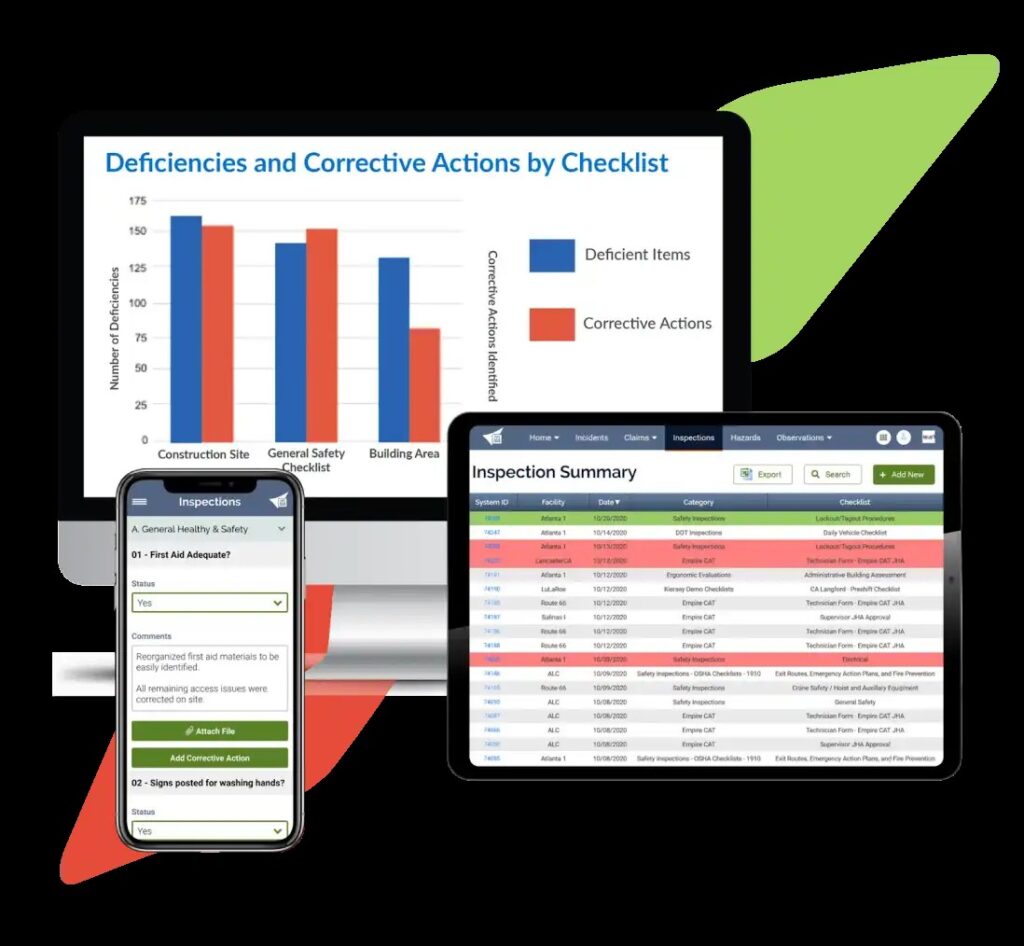
Effective hazard detection depends on consistent inspections, accurate reporting, and prompt corrective action. Many organizations use safety inspection software to document workplace concerns and standardize inspection processes. Clear records help safety teams identify recurring issues and address hazards before conditions worsen.
Early Detection Stops Hazards Before They Escalate
Small workplace hazards can develop into serious incidents when they remain unnoticed. A loose handrail, damaged electrical cable, or leaking pipe can create immediate safety concerns. Early identification allows safety personnel to perform a risk assessment before hazards become more serious. Corrective action is often more effective when issues are addressed early. This approach helps reduce incident exposure throughout high-risk operational environments.
Safer Daily Operations Through Timely Hazard Recognition
Safe operations depend on work areas that remain free from preventable hazards. Hazard recognition helps identify conditions that could disrupt normal work activities or create safety concerns. Workplace inspections can uncover damaged equipment, blocked exits, or missing protective barriers. Timely action helps maintain safer conditions across active operational areas. Employees can complete assigned tasks with fewer safety concerns and disruptions.
Rapid Response To Unsafe Workplace Conditions
Unexpected hazards can appear during equipment use, maintenance work, or site activities. Hazard reports help safety teams quickly identify conditions that require immediate attention. Safety teams can review findings and assign corrective measures without unnecessary delays. Faster response reduces employee exposure and limits the chance of incident escalation. Prompt action helps keep work areas safe and operational.
A Stronger Safety Culture Through Hazard Awareness
Employees are more likely to report concerns when safety remains a visible workplace priority. Regular inspections reinforce the importance of identifying concerns before incidents occur. Clear reporting procedures encourage communication whenever unsafe conditions become apparent. Greater awareness encourages employees to take an active role in workplace safety. This mindset supports safer decisions throughout every level of the organization.
Better Compliance Starts With Early Hazard Identification
Workplace safety regulations require organizations to monitor and maintain safe working conditions. Early hazard identification helps organizations address issues before compliance concerns arise. Inspection records provide evidence that workplace hazards receive proper attention. Accurate documentation supports audit preparation and demonstrates commitment to safety requirements. Consistent oversight helps maintain compliance throughout the workplace.
The Value Of Automated Safety Tools In Hazard Management
Hazard management becomes more effective when inspection information remains organized and accessible. Safety inspection software centralizes observations, corrective actions, and inspection records within one platform. Safety managers can review open issues and monitor corrective action progress. Automated tracking helps teams follow up on corrective actions before deadlines are missed. Centralized information reduces the chance that important concerns remain unresolved. Improved visibility helps managers monitor responsibilities and follow up on unresolved issues.
Early hazard detection helps organizations maintain safer conditions within high-risk workplaces. Timely action reduces exposure to hazards and supports stronger compliance outcomes. Consistent attention to workplace conditions helps prevent minor concerns from developing into serious incidents. Effective safety management helps protect employees, equipment, and operational continuity.