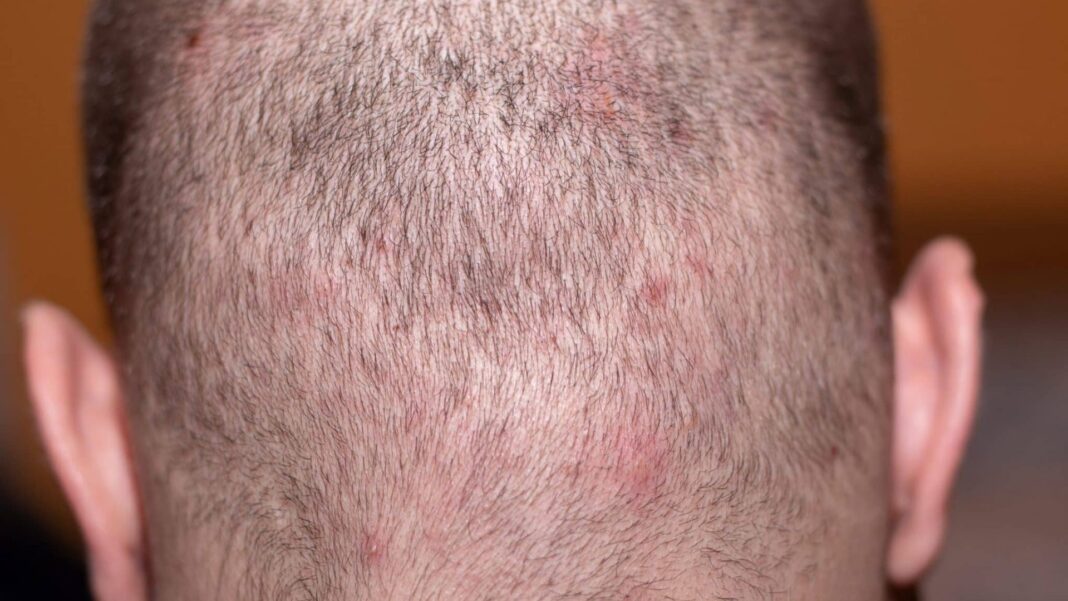

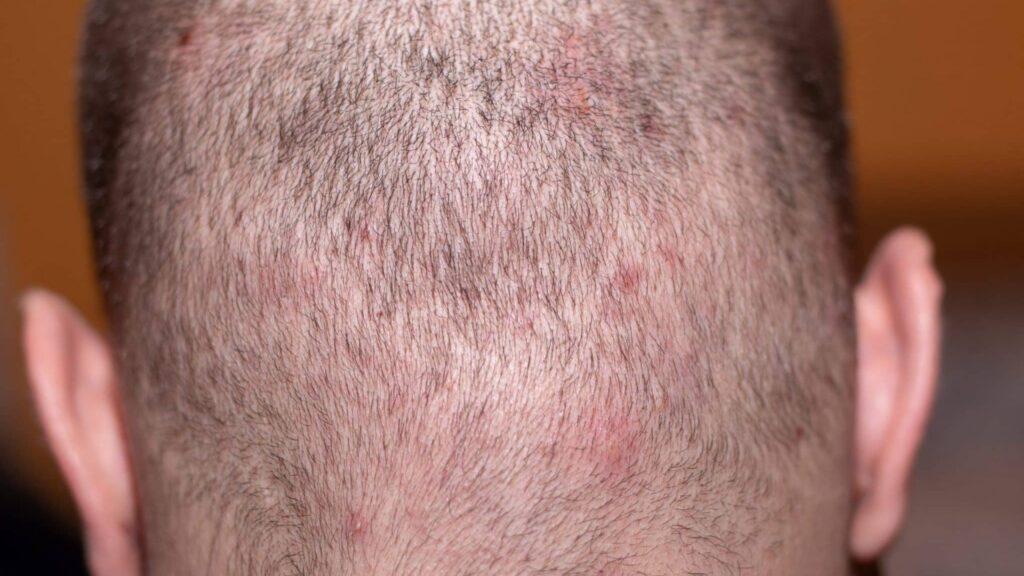
Many people notice small bumps or tenderness on their scalp and brush it off as something minor. At first, it might feel like a simple itch or a slight irritation after a long day. Over time, though, these bumps can become uncomfortable and more difficult to ignore.
Scalp inflammation often shows up in subtle ways. It can start with redness, sensitivity, or even flakes that seem harmless at first. But when left unaddressed, it may lead to recurring flare ups or painful spots that affect both comfort and confidence.
Understanding what causes these issues is the first step toward effective scalp pimple treatment. With the right knowledge, it becomes easier to manage symptoms and prevent them from coming back.
Product Buildup and Poor Scalp Hygiene
A common cause of scalp inflammation and bumps is the buildup of hair products and excess oil. Many people use styling creams, dry shampoo, or conditioners without realizing how much residue is left behind. Over time, this buildup can clog hair follicles and irritate the scalp, leading to inflammation and small bumps.
Residue from Styling Products
Styling products are designed to enhance appearance, but they can also create problems when not washed out properly. Thick formulas and frequent use can leave a film on the scalp. This blocks pores and traps dirt, making it easier for bumps to form.
For individuals who rely on daily styling, the scalp may not get enough time to fully breathe and recover. This can lead to small pimples that feel sore or itchy. Regular cleansing with a gentle shampoo can help reduce this buildup and restore scalp balance over time.
Infrequent Washing Habits
Skipping washes or extending time between hair washes may work for some hair types, but it can also contribute to scalp issues. Oil, sweat, and dirt build up on the scalp and create an environment where bacteria can thrive.
When this happens, inflammation becomes more likely. The scalp may feel greasy yet irritated at the same time. Finding the right washing frequency based on hair type and lifestyle can make a noticeable difference in reducing scalp bumps and irritation.
Improper Rinsing Techniques
Even when people wash their hair regularly, improper rinsing can still leave residue behind. Shampoo and conditioner that are not fully rinsed out can stay near the roots. This often leads to clogged follicles and irritation.
Paying attention to how thoroughly products are rinsed can help reduce this risk. Lukewarm water and a bit of extra time during rinsing can go a long way in keeping the scalp clean and comfortable.
Bacterial Growth and Skin Conditions
Beyond product buildup, scalp inflammation can also be linked to bacteria and underlying skin conditions. These factors are not always visible, which makes them harder to identify without closer attention.
Bacteria and Sweat Accumulation
The scalp naturally produces oil and sweat, especially in warm climates or after physical activity. When sweat mixes with oil and is left on the scalp for too long, it can encourage bacterial growth and irritation.
This can lead to inflamed hair follicles, a condition often associated with scalp acne. People who wear hats frequently or have an active lifestyle may notice more bumps forming if the scalp is not cleaned regularly. Keeping the scalp fresh after sweating can help reduce irritation and prevent breakouts on the scalp.
Underlying Skin Conditions
Certain skin conditions can also trigger scalp inflammation. Conditions like seborrheic dermatitis or mild psoriasis may cause redness, flaking, and small bumps that can look like pimples.
These conditions often require more than just basic hair care. They may need targeted treatments or medicated products to manage symptoms effectively. Recognizing when bumps are part of a larger skin issue is important for finding the right treatment approach.
A Closer Look at Prevention and Care
Scalp inflammation and bumps often develop from a combination of everyday habits and underlying factors. Product buildup, improper cleansing, bacteria buildup, and skin conditions all play a role in how the scalp reacts over time.
Paying attention to small changes in the scalp can help prevent bigger concerns. Simple adjustments like choosing lighter hair products, washing regularly, and maintaining proper hygiene after sweating can support a cleaner and healthier scalp.
When bumps persist or become painful, it may be helpful to seek professional advice. A proper assessment can guide individuals toward treatments that suit their specific needs. With consistent care and awareness, managing scalp discomfort becomes more manageable.