
Most winter heating breakdowns in apartment buildings start with small mechanical problems that build up over weeks: worn pump bearings, failing motors, loose belts, misaligned couplings or fans working harder than they should. Building managers can prevent many of these failures by inspecting equipment before cold weather hits, tracking warning signs like unusual noise, heat and vibration, keeping spare parts on hand and fixing issues early instead of waiting for a no-heat emergency. Monitoring tools now make it possible to watch critical equipment around the clock, even when no one is in the boiler room.
The worst time to find out a pump is failing is 6 a.m. on the coldest day of the year.
Why Winter Breakdowns Hit So Hard
In older apartment buildings across Yonkers and Westchester, heating systems often rely on boilers, circulation pumps, burner fans and ventilation motors that run almost nonstop once temperatures drop. When one of these components fails, the impact is immediate: cold apartments, frustrated tenants, emergency service calls and, in some cases, potential code violations.
Emergency repairs during peak season can also be more expensive, with longer waits for technicians and parts.
The Equipment Most Likely to Fail
| Equipment | Common problem | Warning signs |
| Circulation pumps | Worn bearings or seals | Grinding noise, leaks, vibration |
| Burner and draft fans | Imbalance or motor wear | Rattling, overheating, inconsistent operation |
| Motors | Overheating or bearing failure | Hot casing, humming, rising vibration |
| Belts and pulleys | Wear or slipping | Squealing, burning smell |
| Couplings | Misalignment | Uneven running, excess vibration |
| Ventilation units | Dirty filters or worn parts | Reduced airflow, noise |
Many of these issues give early warnings, but they’re easy to miss without regular checks.
Pre-Winter Checklist for Building Managers
Before heating season peaks:
- Inspect pumps and motors for leaks, noise and heat.
- Check belts for cracks, glazing or improper tension.
- Lubricate bearings according to manufacturer recommendations.
- Test backup pumps to make sure they start properly.
- Clean or replace filters.
- Verify controls and thermostats.
- Confirm emergency service contacts and response times.
A few hours of preparation can prevent days of tenant complaints.
Listen, Feel and Watch
Experienced building staff often detect problems through their senses:
- New noises, such as grinding, knocking or squealing
- Unusual heat coming from motors or bearings
- Vibration that feels stronger than usual
- Burning smells
- Equipment cycling on and off unexpectedly
When something changes, investigate early. Small repairs are almost always cheaper than emergency replacements.
Round-the-Clock Monitoring
The challenge is that many breakdowns develop when no one is watching, overnight, on weekends or during holidays. Continuous monitoring can help close that gap.
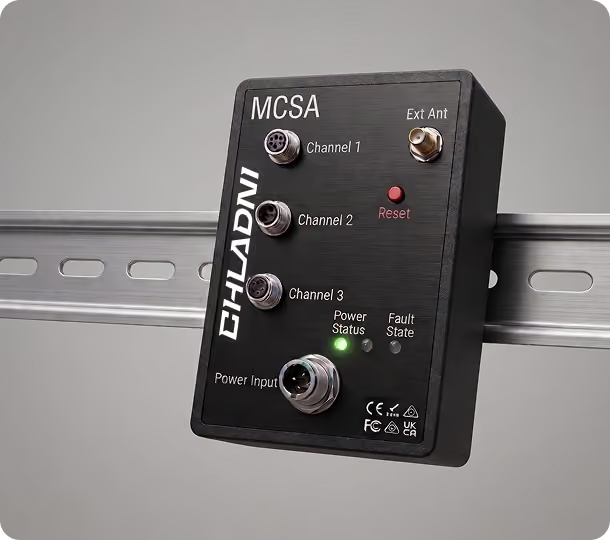
Chladni’s wireless sensors, for example, attach to rotating equipment such as pumps, fans and motors and track vibration and temperature continuously. AI-assisted analysis compares readings with each machine’s normal behaviour and flags early signs of problems like bearing wear or imbalance, giving managers time to schedule repairs before heat goes out.
For buildings with critical heating equipment, this kind of early warning can mean the difference between a planned service visit and an emergency call.
Keep Spare Parts Ready
Supply delays can turn a simple repair into a long outage. Consider keeping:
- Spare belts
- Common bearings or seal kits
- Fuses and electrical components
- Filters
- A backup pump or motor for critical systems, if practical
Coordinate with service providers to know which parts are hardest to source in winter.
Save Energy While You Prevent Breakdowns
Equipment that’s struggling mechanically often uses more electricity. Fixing worn bearings, misalignment or imbalance can improve efficiency as well as reliability.
NYSERDA offers information and programmes for building owners interested in improving energy efficiency, including upgrades to heating systems and building equipment across New York State.
Communicate With Tenants
Even with good maintenance, problems can happen. Clear communication helps:
- Share emergency contact information before winter.
- Notify tenants quickly about planned maintenance.
- Provide updates during outages.
- Explain expected repair times.
- Encourage tenants to report issues early, such as noisy radiators or uneven heat.
Tenants often notice small changes before management does.
Common Mistakes to Avoid
Building managers often run into trouble when they:
- Skip pre-winter inspections
- Ignore unusual noises
- Run equipment until it fails
- Forget to test backup systems
- Wait too long to order parts
A Warmer, Calmer Winter
Preventing heating breakdowns isn’t about luck. It’s about preparation, attention to warning signs and acting before small issues become emergencies.
With regular inspections, smart monitoring and good communication, building managers can keep tenants warm, reduce emergency repairs and get through winter with far fewer surprises.