
Why Indoor Air Quality Deserves Attention
Most of us spend the bulk of our day indoors, and that’s exactly where pollutants from cooking, cleaning products, furnishings, pets, combustion appliances, dust, and outdoor air tend to pile up over time. Unlike outdoor air, which has room to disperse, indoor air often has nowhere for these pollutants to go—so they build up to levels that can affect both comfort and health. Improving indoor air quality is best thought of as a household-wide habit rather than something you fix with a single purchase. An air purifier, for example, can help clean the air in a given room, but it works best as part of a broader strategy that also involves tracking down pollution sources and improving ventilation. This article focuses on three complementary actions: identifying pollution sources, improving ventilation, and using filtration appropriately.
Key Takeaway: Better indoor air quality usually requires several complementary actions, not reliance on one device or habit.
Understand Common Indoor Air Pollutants
Particles and allergens include dust, pollen, pet dander, mold spores, and smoke particles. The size of these particles determines how long they stay airborne and how deeply they can be inhaled—smaller ones tend to linger in the air far longer, and unlike visible dust settling on a shelf, they’re essentially invisible to the naked eye.
Gases and chemical pollutants include volatile organic compounds (VOCs), which come from paints, furnishings, adhesives, cleaning products, and fragrances. Combustion byproducts like carbon monoxide and nitrogen dioxide fall into their own category of concern. It’s worth noting that particulate filters don’t remove gases or guard against carbon-monoxide exposure—these pollutants simply behave differently in the air than solid particles do.
Moisture and biological contaminants show up when excess humidity creates the right conditions for mold and dust mites to thrive. Filtering airborne particles is not the same as fixing the moisture problem causing them. If you’re dealing with persistent dampness, visible mold, or water damage, that usually calls for a professional assessment rather than more thorough cleaning.
Start With Source Control
Removing or reducing a pollutant at its source is almost always more effective than trying to clean it up after it’s already spread through a room. Practical steps include running kitchen exhaust fans during and shortly after cooking, avoiding indoor smoking or vaping, following label instructions for paints and cleaning chemicals, storing those chemicals securely, fixing leaks as soon as they appear, and cleaning pet bedding and upholstery on a regular basis. Fragrance-free or lower-emission products may cut down on some exposures, but those claims deserve a closer look rather than blind trust.
Picture two households: one keeps running a filtration device to manage smoke from indoor smoking, while the other simply eliminates the smoking altogether and adds filtration as a supplement afterward. The second household is addressing the root cause; the first is only managing a symptom.
Improve Ventilation Safely
Ventilation works by diluting indoor pollutants with air from outside. Opening windows or running mechanical ventilation helps when outdoor conditions cooperate, and local exhaust fans in kitchens, bathrooms, and laundry areas tackle pollutants right at the source. That said, ventilating isn’t always a good idea—wildfire smoke, high outdoor pollution, extreme temperatures, and heavy pollen counts are all situations where it can do more harm than good. Keeping exhaust fans and HVAC equipment well maintained helps ensure they perform consistently. In tightly sealed, energy-efficient homes, properly designed mechanical ventilation often matters more than simply cracking a window now and then.
Use Filtration as a Supplement
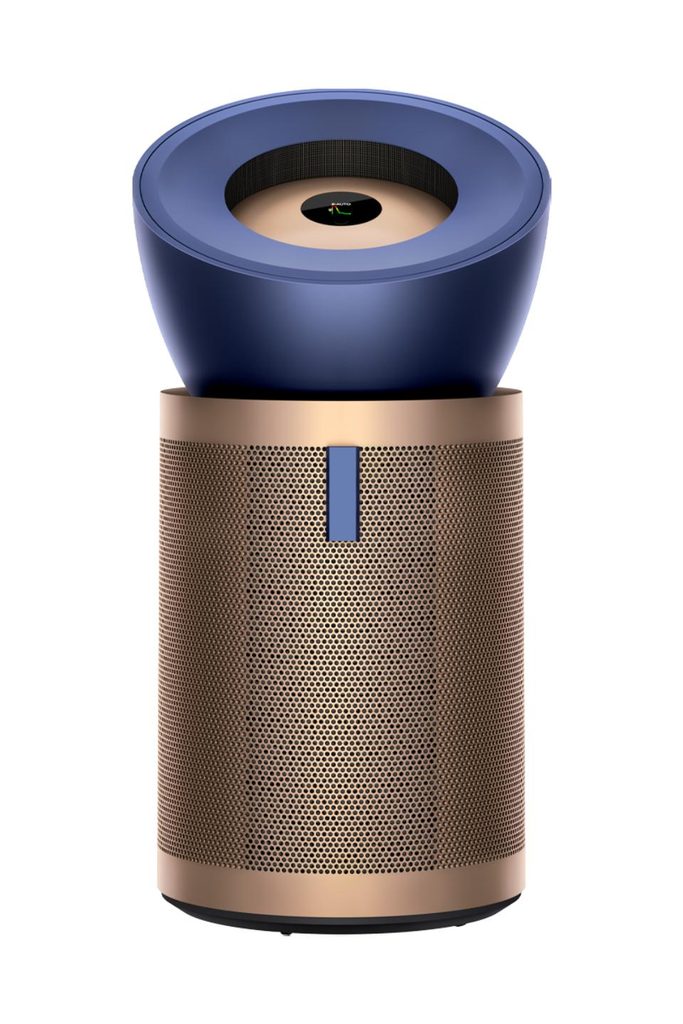
Portable filtration units are generally built to handle a single room rather than an entire house. When shopping for one, pay attention to room size, airflow, noise level, and how easy it is to find replacement filters. How well it actually works depends on both the filter’s efficiency and how much air passes through it over time. Filtration can cut down on airborne particles, but it won’t address every type of pollutant, and it’s no substitute for source control and ventilation.
HVAC filtration captures recirculated particles as air cycles through a furnace or central system. Filter performance is often described using MERV ratings (Minimum Efficiency Reporting Value), a scale that measures how well a filter captures particles of different sizes. A higher rating isn’t automatically the better choice for every system, though—added airflow resistance can hamper HVAC performance or put extra strain on the equipment. Checking manufacturer guidance, consulting an HVAC professional before upgrading, and making sure the filter fits properly and gets replaced on schedule all help protect both air quality and the system itself.
The U.S. Environmental Protection Agency outlines a three-part approach to indoor air quality—source control, ventilation, and filtration—while ASHRAE provides standards relevant to ventilation rates and filtration ratings.[1][2][3][4]
Build a Room-by-Room Indoor-Air-Quality Routine
- Kitchen: Use exhaust ventilation, manage cooking smoke, and clean grease buildup.
- Bathroom: Run the exhaust fan during and after bathing; repair leaks promptly.
- Bedroom: Wash bedding regularly and maintain comfortable humidity levels.
- Living areas: Dust and vacuum using methods that limit particle redistribution.
- Garage or workshop: Keep combustion engines and solvents away from living spaces.
- Basement or utility areas: Watch for water intrusion, musty odors, and poorly vented appliances.
Common Mistakes to Avoid
Some of the most common missteps: treating filtration as a stand-in for fixing leaks or ventilating the kitchen, picking a filter based purely on advertised efficiency, installing an HVAC filter that restricts airflow beyond what the system can handle, opening windows without checking outdoor air quality first, assuming a room that doesn’t smell is automatically pollutant-free, and reaching for ozone-generating devices as a catch-all fix. It helps to separate evidence-based risk reduction from unsupported “detoxifying” claims—no single method fully purifies a living space.
How to Prioritize Improvements on a Budget
Start with low-cost source-control measures, like using exhaust fans and repairing leaks. Tackle safety-critical issues first, especially carbon-monoxide risks and water damage. Source control comes first, and ventilation depends on outdoor air quality. Filtration is a supplement, not a complete solution, so it’s worth considering only after sources and ventilation are handled. And always check HVAC compatibility before switching to a higher-efficiency filter.
A Practical Path to Cleaner Indoor Air
Cleaner indoor air generally comes down to three coordinated actions: cutting pollutants off at the source, ventilating appropriately, and using compatible filtration where it genuinely adds value. How you balance these will depend on your home’s climate, occupants, and building systems. A good starting point is simply identifying the most likely pollutant source in each room you use often. From there, make one source-control improvement, confirm your ventilation is actually working, and bring in a qualified professional for anything persistent or safety-related.