
Seventeen drafts came out of one assistant’s queue last Tuesday and not a single one had been read by an attorney. That’s the number that should worry you. Not because drafting tools are bad, but because most firms adopt them faster than they build a habit for checking the work.
The fix isn’t a policy memo nobody reads. It’s a short, boring routine that runs on every draft, every time, and takes less time than brewing coffee. Firms that skip this step end up paying for it in the worst way: a client finds the error before you do.
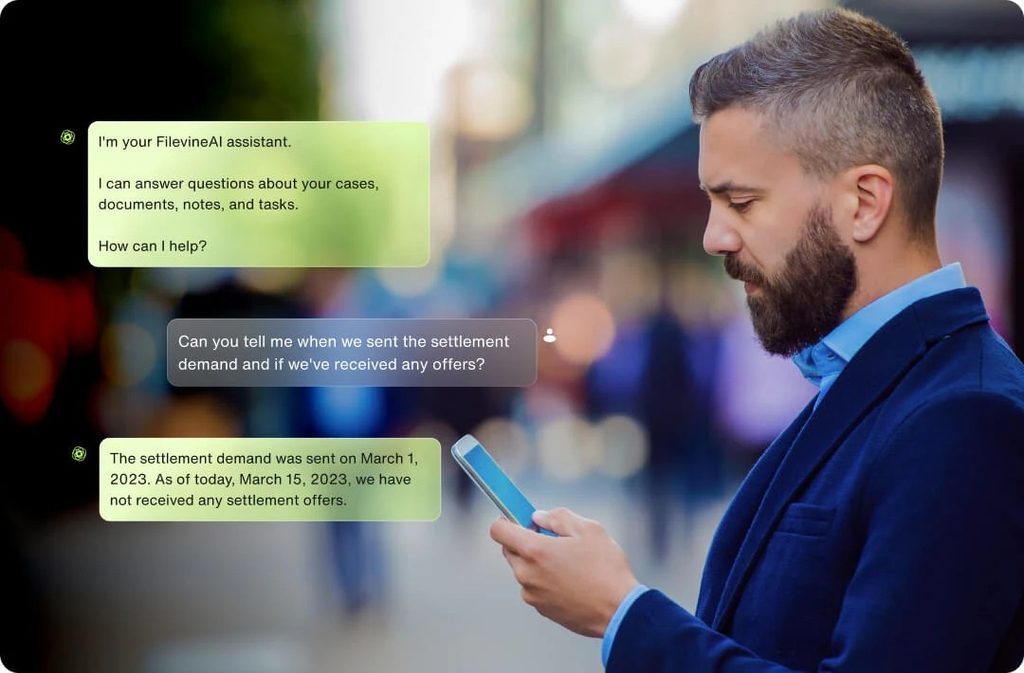
Practice management tools now ship with drafting built in, and Filevine’s AI legal assistant is one example of how the work has moved from a separate browser tab into the case file itself. Convenient. Also risky, because proximity to the matter makes output feel verified when it hasn’t been. Here’s how to close that gap without turning your day into a review assembly line.
Why does AI output slip past review in small firms?
Because the person reviewing is usually the person who asked for the draft, and they already know what they want it to say. That’s the trap. You skim for shape, not substance, and shape is exactly what these tools are good at.
Big firms have layers. A mid-level associate drafts, a partner reads, someone else files. A three-attorney shop has you, the paralegal, and a client waiting on the other end of the phone. There’s no line of people between the draft and the courthouse door, which means the checking habit has to be designed on purpose.
I’d argue the smaller firm actually has an advantage here. With fewer matters, you can build a review standard that a 400 attorney firm could never enforce. Use it.
The five minute pass that catches most problems
I call it the Five Minute Pass, and it’s built for a single draft you’re about to sign your name to. The name matters. Set a timer if you have to, because the whole point is that it’s short enough you’ll actually do it.
- Read the cites aloud. Every case name, every docket number. Say it out loud. Reading silently lets your eyes complete a familiar shape; your mouth doesn’t. Tools in this space have a documented tendency to produce citations that look plausible and don’t exist, and voice is a cheap filter.
- Check one quote against the source. Just one, picked at random. If it matches, your confidence in the rest goes up. If it doesn’t, stop and check them all.
- Look for specificity you didn’t ask for. Dates, dollar amounts, procedural deadlines. Any number the tool invented on its own is a number you now own.
- Confirm the jurisdiction. A beautiful paragraph citing the wrong state’s rule is worse than a clumsy one citing the right rule.
- Read the last paragraph twice. Conclusions are where tool output tends to drift into confident summary. That’s the sentence a judge remembers.
Five minutes, maybe eight on a long brief. Compare that to the forty minutes you’d spend rebuilding a draft from scratch because it went sideways, and the math is obvious.
What good looks like when the tool is working
Picture a family law associate with a motion due Thursday. The tool pulls the matter facts, drafts the custody argument section, and flags two statutes worth checking. She reads the cites, confirms the jurisdiction, tightens the last paragraph, and files by 4 p.m. The draft saved her a morning. The Five Minute Pass cost her a coffee break.
Now picture the same tool on a matter where the intake notes were thin. It fills the gaps with something plausible. A date that isn’t right. A procedural step that doesn’t apply. This is where your review has to be ruthless, and where the tool’s confidence level should mean nothing to you. Fluency is not accuracy. Those two things are unrelated in this technology, and treating them as correlated is how firms get embarrassed.
I’d rather see a firm banish the tool for a month and rebuild its intake hygiene than keep drafting on bad inputs. Garbage facts in, confident prose out. The tool won’t warn you.
Set the standard where your team will see it
Guidance from the National Institute of Standards and Technology treats AI risk management as something you do on purpose, with documented controls, not something you hope emerges from good intentions. Translate that into firm practice and it means one page your whole office can point to: who drafts, who checks, what gets escalated to an attorney, and what happens when someone finds an error.
Keep that page taped inside a cabinet if you want. Formality isn’t the goal; visibility is. If your paralegal doesn’t know they have permission to send a draft back, they’ll fix it quietly and hope. Quiet fixes are how small errors become patterns.
Assign one person as the review owner for each matter, by name, in the file. “The team will check it” means nobody will. This is the single cheapest change you can make, and in my experience it does more for output quality than any feature comparison you’ll run this year.
Know where the tools are already under scrutiny
Courts are paying attention to what gets filed. California’s state court system, for instance, has published guidance for judges and attorneys on generative AI in litigation, and the California Courts site is worth a read even if you never set foot in a California courtroom. The reasoning travels. Judges in other states are asking the same questions about verification and disclosure.
What that means for you is plain: your review process is now partly a filing risk question, not just a quality question. A draft full of unverified citations can create problems that cost far more than the hours the tool saved you. Treat verification as part of the pleading, because the court will.
What to ask before you put another tool on a matter
When you’re evaluating anything new, skip the demo wow factor and ask these instead:
- Can I see exactly which source document each sentence came from?
- What happens when the tool can’t find an answer, does it say so or does it improvise?
- Where does my client data live, and who can see it?
- If I find an error after filing, what’s the correction path inside the system?
If the vendor can’t answer the second question clearly, walk. That one tells you whether the tool was built by people who understand how legal work actually fails.
The habit beats the tool
A drafting tool is a head start, not a finish line. The firms that get real value from these systems are the ones that treat every output as a first draft from a fast, slightly overconfident junior colleague. You’d never file that colleague’s work without reading it. Same rule applies here, and it costs you five minutes.
Start with one matter this week. Run the Five Minute Pass on the next draft that lands in your queue, note what it catches, and let that note shape your firm’s review page. Then tell me honestly: did the pass find something, or did it just confirm what you already suspected? Either answer tells you something useful about how much you should trust the next draft.