
An arrest can happen fast. One moment, you are going about your day. The next, you are in handcuffs and unsure what to do.
If you are arrested, stay calm and remember your basic rights. A good Atlanta criminal defense attorney can help you understand your options and protect your interests while your case moves forward.
Remember that you are presumed innocent unless the state proves otherwise in court.
Stay Calm and Say Less
When officers place you under arrest, you may feel pressure to explain what happened. You may believe that a quick explanation will clear up the situation. In many cases, talking too much can create additional problems.
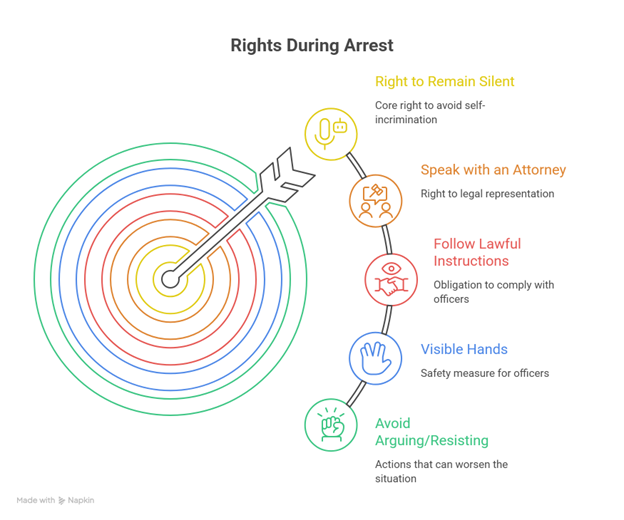
You have the right to remain silent. You should provide basic identifying information when required, but you can politely say that you wish to remain silent and want to speak with an attorney.
Do not argue with officers, resist arrest or make threats. Keep your hands visible, follow lawful instructions and save the debate for your attorney and the courtroom.
A useful sentence is: “I am choosing to remain silent, and I want to speak with an attorney.”
Ask for an Attorney
You have the right to an attorney during the criminal process. If you cannot afford to hire a private lawyer, you may qualify for a court-appointed attorney.
At a first appearance, the judge must tell you about the charge, your right to remain silent, your right to counsel and your right to communicate with an attorney, family members or friends. The Court’s first appearance materials also state that a person who cannot afford counsel may have an attorney appointed.
If you already have a lawyer, ask law enforcement to contact that attorney. If you do not have one, tell the judge that you want counsel. Do not sign a waiver of counsel or agree to discuss the case without understanding what you are giving up.
Understand the First Appearance
Florida generally requires an arrested person to appear before a judicial officer within 24 hours, either in person or by electronic audiovisual device. The court addresses the charge, probable cause, counsel and release conditions at this hearing.
The first appearance is not a trial. The judge does not decide whether you are guilty or innocent. Instead, the court reviews the immediate issues connected to your detention and possible release.
The judge may consider whether you should be released on your own recognizance, released with conditions or required to post a monetary bond.
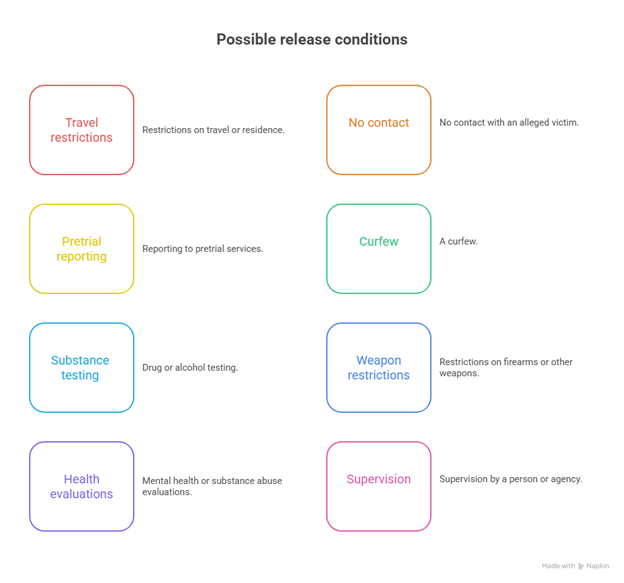
Possible conditions can include:
– Restrictions on travel or residence.
– No contact with an alleged victim.
– Reporting to pretrial services.
– A curfew.
– Drug or alcohol testing.
– Restrictions on firearms or other weapons.
– Mental health or substance abuse evaluations.
– Supervision by a person or agency.
Take every condition seriously. A violation may lead to a new arrest, the revocation of pretrial release or additional time in custody.
Do Not Discuss the Case Publicly
Your case does not belong on Facebook, Instagram, TikTok or a neighborhood group. Do not post explanations, photographs, jokes, accusations or angry comments about the arrest.
You also should not discuss the details with friends, relatives, cellmates or anyone else unless your attorney advises you to do so. Phone calls from jail may be recorded, and electronic messages may be saved or shared. A casual comment can appear very different when presented in court.
Protect Important Evidence
Contact an attorney as soon as possible and preserve anything connected to the accusation. Do not delete text messages, emails, photographs, videos, call logs or social media posts. Do not alter a phone or computer that may contain relevant information.
Write down what you remember about the arrest while the details are fresh. Include the approximate time, location, names or badge numbers if known, witnesses, statements made by officers and any injuries or property damage. Do not create a public statement. Give them to your attorney.
If you were injured during the arrest, seek medical attention and keep copies of medical records, photographs and bills.
Follow Release Conditions
After release, you remain responsible for attending every court hearing and following every condition imposed by the judge.
Put all court dates in your calendar. Ask your attorney or the clerk of court how to confirm the schedule. Notify your lawyer promptly if you move, change phone numbers or have trouble meeting a condition.
Do not contact an alleged victim if the court has issued a no-contact order. This can apply to phone calls, text messages, emails, social media comments and messages sent through another person.
Do not leave the area if your release order restricts travel. Do not commit a new offense while the case is pending. This may sound obvious, but stressful situations can cause people to make quick decisions with serious consequences.
Remember the Presumption of Innocence
News reports, arrest records and mug shots can spread quickly, but an arrest only means that a person has been taken into custody or accused of an offense. It does not establish guilt. That is something the state must prove at trial.
Space Coast Daily’s crime coverage regularly reminds readers that suspects are presumed innocent until proven guilty. That matters in every criminal case, whether the allegation involves theft, drug possession, assault, driving under the influence or another offense.