Families flock to the water for relaxation and fun. Whether it is a backyard pool or a trip to the beach, these moments create lasting memories. Safety must remain on top when the little ones are near any body of water. Starting early helps build a foundation of security and skill.
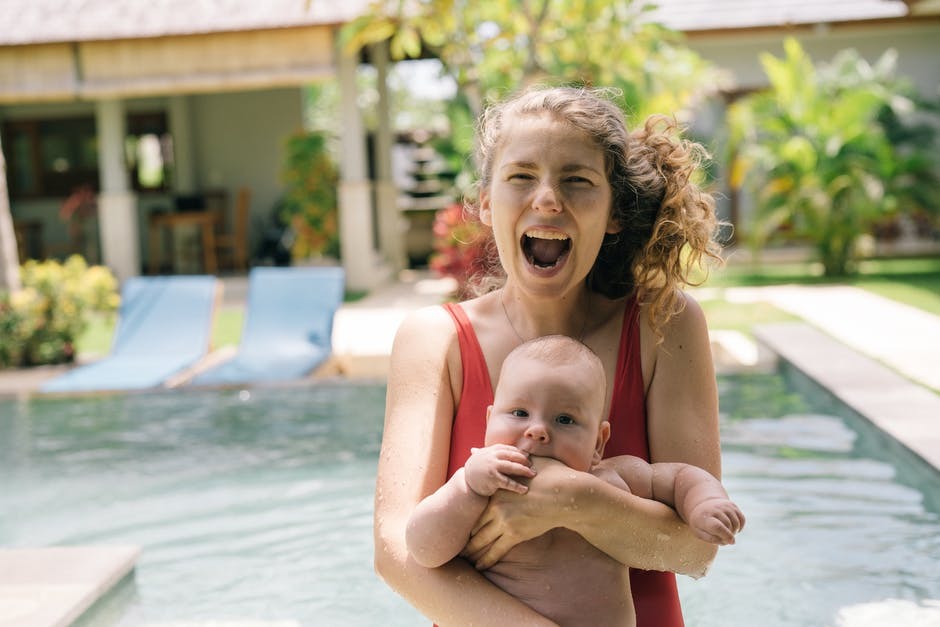
Photo from Pexels.com
The Risks For Young Children
Hazards exist in bathtubs, buckets, and decorative ponds just as much as in large pools. A recent press release from the American Red Cross mentioned that drowning is the top cause of death for kids between 1 and 4 years old. That fact highlights the need for constant supervision and early education.
Small children lack the motor skills to rescue themselves if they slip under the surface. It only takes a few seconds for an accident to happen in a quiet backyard. Parents must stay alert and avoid distractions like phones or books when near any water source.
The Lifesaving Benefits Of Early Water Training
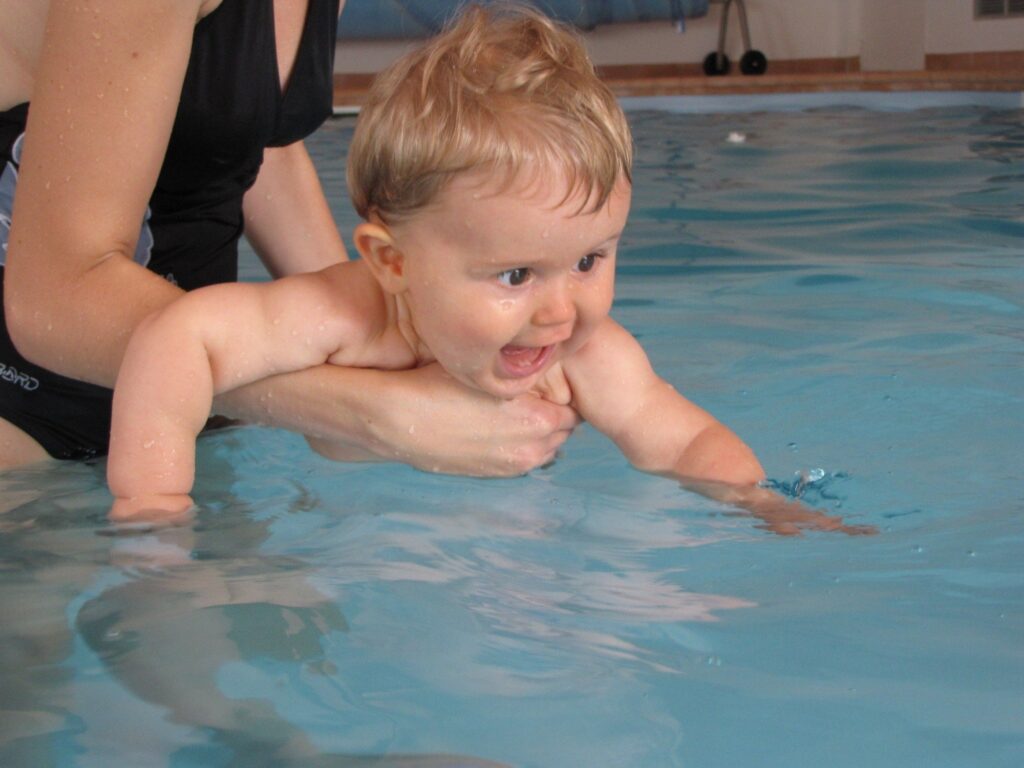
Floating and breathing correctly should be among the first skills new swimmers learn. Many parents turn to structured programs such as British Swim School to introduce water safety and basic swimming techniques at an early age. A guided environment gives babies and young children a safe space to become comfortable in the water while parents remain close by.
Early exposure lowers the chance of panic during an accidental fall. Children who feel at home in the water react more calmly when they encounter unexpected situations. Professional instruction guides them through the process of survival swimming step by step. Professionals teach kids to roll onto their backs if they ever fall in.
Developing Confidence From Infancy
Children should take advantage of their natural reflexes to learn how to swim. Babies have a natural comfort in the water that fades as they get older. Children under 5 make up nearly 25% of all drowning fatalities worldwide. The statistic highlights the urgency of getting toddlers into the water sooner rather than later.
Classes focus on teaching babies how to roll onto their backs to rest and breathe. The skill is a lifesaver if they ever find themselves in the water without a life jacket. Regular practice helps children retain what they have learned from week to week.
Overcoming Common Parental Fears
Many parents worry about the temperature of the water or the potential for ear infections. Modern indoor facilities maintain warm air and water to keep infants comfortable. Learning to swim as a child prevents the gaps from forming in adulthood.
Training helps parents feel more prepared for family vacations and pool parties. It replaces anxiety with a clear plan for water supervision. Watching a child gain independence in the water is a rewarding experience for any caregiver. Families can enjoy the pool together with more confidence and less worry.
Physical And Cognitive Growth In The Pool
Swimming engages the entire body and supports healthy development. Water resistance provides a gentle way to build muscle strength without putting too much stress on growing joints. The benefits of early water training extend beyond physical safety:
- Better sleep patterns after active pool sessions
- Improved social skills through group interaction
- Increased cognitive focus from following simple commands
- Stronger bonds between parents and their children
Participating in lessons encourages a healthy lifestyle from a very young age. Kids learn that exercise is a fun and regular part of their routine. Positive associations with physical activity can last well into adulthood.
Creating A Culture Of Safety At Home
Formal lessons are only one part of a complete safety strategy. Fences and alarms provide extra layers of protection around residential pools. Supervision must always be active, meaning an adult is within arm’s reach and focused entirely on the child. Never rely on inflatable toys or arm floaties to keep a child safe.
Teach children to ask for permission before entering the water. Even a child who can swim should never be left alone near a pool. Consistent boundaries help kids understand that the water requires respect and caution at all times. Rules should be clear and reinforced by every caregiver.
Building Skills That Last A Lifetime
Swimming opens doors to many other sports and hobbies. A strong start in the water makes these activities possible and provides a low-impact way to stay fit throughout every stage of life. Many people enjoy the pool for relaxation and stress relief.
Investing in lessons now saves time and stress in the future. Older children may struggle with fear if they have never been exposed to deep water. Starting as an infant makes the transition to advanced strokes much smoother. They will avoid the need for expensive private tutoring that can cost over $75 per hour later on.
Preparing your child for the water is one of the most proactive steps a parent can take. Early lessons transform the way a child interacts with the world around them. Safety is a journey of learning and growth that continues in adulthood.