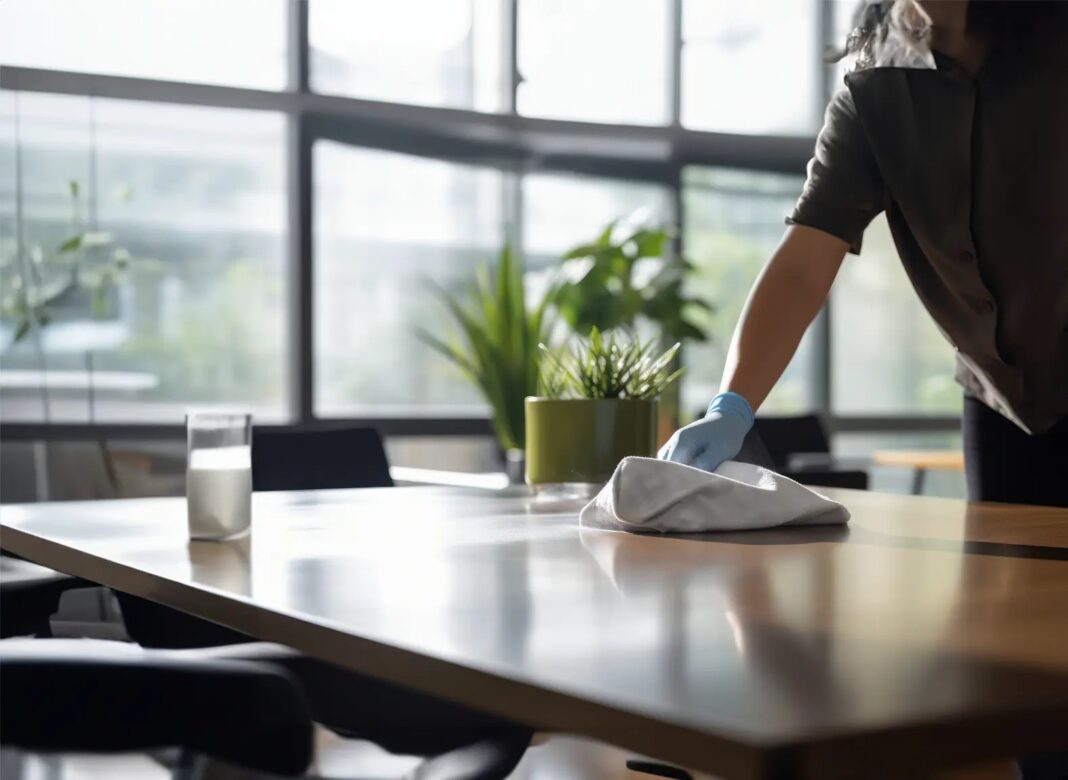

Workplace air affects breathing comfort, focus, attendance, and building hygiene. Dust, pollen, moisture, fibers, and chemical residue collect quickly in offices, lobbies, fitness rooms, and shared work areas. Basic tidying helps, yet indoor air needs source control. Professional cleaning services remove irritants before circulation carries them through occupied spaces, giving teams fresher rooms and steadier conditions each day. That practical care also protects finishes and equipment.
Cleaner Surfaces, Cleaner Air
Particles often start on desks, floors, vents, counters, and fabric before drifting into breathing zones. In dense city buildings, commercial cleaning services in NYC help control residue at entry points, restrooms, shared kitchens, and workstations, where foot traffic, airflow, and hand contact can move dust faster than staff may notice.
Dust Control Matters
Dust is rarely simple dirt. It may contain skin cells, textile fibers, pollen, soil, and residue from outdoor streets. Trained crews use microfiber tools, top-down sequencing, and damp wiping to capture particles instead of scattering them. Cleaner ledges, blinds, shelves, and monitors leave less material available for breathing-zone exposure later.
Floors Carry Pollutants
Floors receive debris from sidewalks, elevators, loading docks, and parking areas. Carpet can hold fine particles deep in fibers, while hard surfaces release grit when dry sweeping is rushed. Vacuuming with high-efficiency filtration, proper mopping, buffing, and finish care reduce particle transfer. Better floor maintenance also limits surface wear, which can add dust of its own.
Carpets Need Attention
Carpet can act as a reservoir for allergens, moisture, crumbs, and soil. That feature helps only when fibers receive regular care. Once the buildup remains too long, movement is released. irritants back into the nearby air. Deep extraction, spot treatment, and scheduled vacuuming remove embedded material, helping carpet support cleaner breathing conditions instead of becoming a hidden source.
Restrooms Affect Air
Restrooms influence odor, humidity, and microbial burden throughout a workplace. Residue around fixtures, drains, partitions, and floors can feed persistent smells. Careful sanitation reduces bacteria, removes organic film, and limits damp conditions. Clean shared facilities also support trust, because people quickly notice whether these rooms feel cared for during an ordinary shift.
Vents and Airflow
Air quality depends on movement as much as visible cleanliness. Dust around grilles, returns, diffusers, and nearby surfaces can enter circulation while systems operate. Cleaning crews keep these zones clear during routine service. Mechanical teams still manage filters and equipment, yet cleaner vent surroundings help heating, cooling, and ventilation move air with fewer visible contaminants.
Safer Product Choices
Cleaning products should improve hygiene without leaving harsh fumes or irritating residue. Professional providers train staff on dilution, dwell time, labeling, and material compatibility. Lower-odor options may suit offices, schools, clinics, and fitness facilities where respiratory comfort matters. Product discipline is essential because a freshly cleaned room should not trigger eye, throat, or skin irritation.
Moisture Prevention
Moisture raises the risk of odor, mildew, and microbial growth. Entry mats, restroom floors, break room spills, and window edges need prompt attention. Cleaning crews can remove standing water, dry wet zones, and report recurring leaks. Quick response protects porous materials and reduces damp indoor conditions, especially in busy buildings where small spills spread quickly.
High-Touch Zones
Door handles, elevator buttons, railings, counters, phones, and meeting tables gather residue from many hands. Scheduled disinfection reduces surface contamination that may spread through touch, coughing, and nearby activity. Clear routines also reduce uncertainty, since employees can see common contact points receiving steady care across shifts.
Waste and Odor
Trash areas shape indoor air more than many offices expect. Food waste, restroom bins, packaging, and recycling containers can produce odors and attract pests. Professional cleaning keeps liners replaced, receptacles wiped, and storage rooms controlled. Removing the source works better than masking smells, since fragrance can add irritation while leaving decay or residue behind.
Better Cleaning Schedules
Clean air support depends on timing. Day staff can address spills, restrooms, lobbies, and waste while buildings are occupied. Evening crews can complete deeper work with less interruption. This rhythm keeps spaces fresher from morning through closing. Regular inspections also catch neglected areas before they become repeated sources of dust, odor, or complaints.
Health and Productivity
Poor indoor air can contribute to headaches, throat irritation, watery eyes, fatigue, and allergy symptoms. Cleaner workplaces may reduce distractions and support steadier attendance. Cleaning cannot replace ventilation, filtration, or medical guidance, but it remains a practical part of workplace wellness. Facility teams gain value when hygiene routines lower visible dust, odor reports, and surface buildup.
Conclusion
Professional cleaning services improve workplace air quality by controlling dust, soil, moisture, odors, and residue before exposure increases. Strong results depend on consistent routines, trained crews, appropriate products, and close attention to high-use areas. Floors, carpets, vents, restrooms, waste rooms, and shared surfaces all matter. With steady care, our workplaces can feel healthier, smell cleaner, and support better concentration throughout the day.