Waste management is a daily operational challenge for businesses of all sizes. Offices, warehouses, restaurants, retail stores, healthcare facilities, manufacturers, and property managers all generate waste that must be handled safely and efficiently. When waste is not managed properly, it can create clutter, increase costs, disrupt workflows, and expose the business to compliance issues. Poor waste practices can also damage a company’s reputation, especially as customers, employees, and partners pay closer attention to sustainability. The good news is that most waste problems can be corrected with the right planning, better processes, and practical waste management solutions.
Problem 1: Waste Is Not Being Sorted Properly
One of the most common business waste problems is poor sorting. Employees may place recyclables, food waste, hazardous materials, and general trash into the same containers because they are unsure where items belong. This creates contamination, which can make otherwise recyclable materials unusable. It can also increase disposal costs if waste haulers must treat mixed waste as general trash. In some industries, improper sorting may even create safety or regulatory risks.
The fix is to create a clear sorting system that is easy to follow. Businesses should use labeled containers, color-coded bins, and simple signage with examples of acceptable and unacceptable materials. Waste stations should be placed in areas where waste is created, such as kitchens, production floors, shipping areas, break rooms, and customer-facing spaces. Training should be included during onboarding and reinforced through short reminders. The simpler the system is, the more likely employees are to use it consistently.
Problem 2: Waste Costs Are Too High
Many businesses spend more on waste disposal than necessary. Costs can rise because dumpsters are serviced too often, containers are the wrong size, recyclables are mixed with trash, or waste volume is not tracked. Some companies pay for pickups even when containers are only partially full. Others use general waste disposal for materials that could be recycled, donated, reused, or sold. Without visibility into waste patterns, it is difficult to know where money is being wasted.
The fix is to conduct a waste cost review. Businesses should compare invoices, pickup frequency, container sizes, landfill fees, recycling charges, and service contracts. A waste audit can reveal whether disposal schedules match actual volume. Companies may be able to reduce costs by right-sizing containers, changing pickup schedules, separating high-volume recyclables, or negotiating better vendor terms. Tracking waste costs monthly helps businesses identify problems before they become expensive habits.
Problem 3: Waste Areas Become Cluttered and Unsafe
Overflowing bins, blocked aisles, loose packaging, and poorly managed disposal areas can create serious safety issues. Employees may trip over waste, struggle to move carts, or work around blocked exits and walkways. In warehouses and manufacturing facilities, waste can interfere with forklifts, pallet jacks, and production equipment. In restaurants and food service businesses, unmanaged waste can attract pests and create sanitation concerns. Cluttered waste areas also make the business look disorganized to employees, customers, and inspectors.
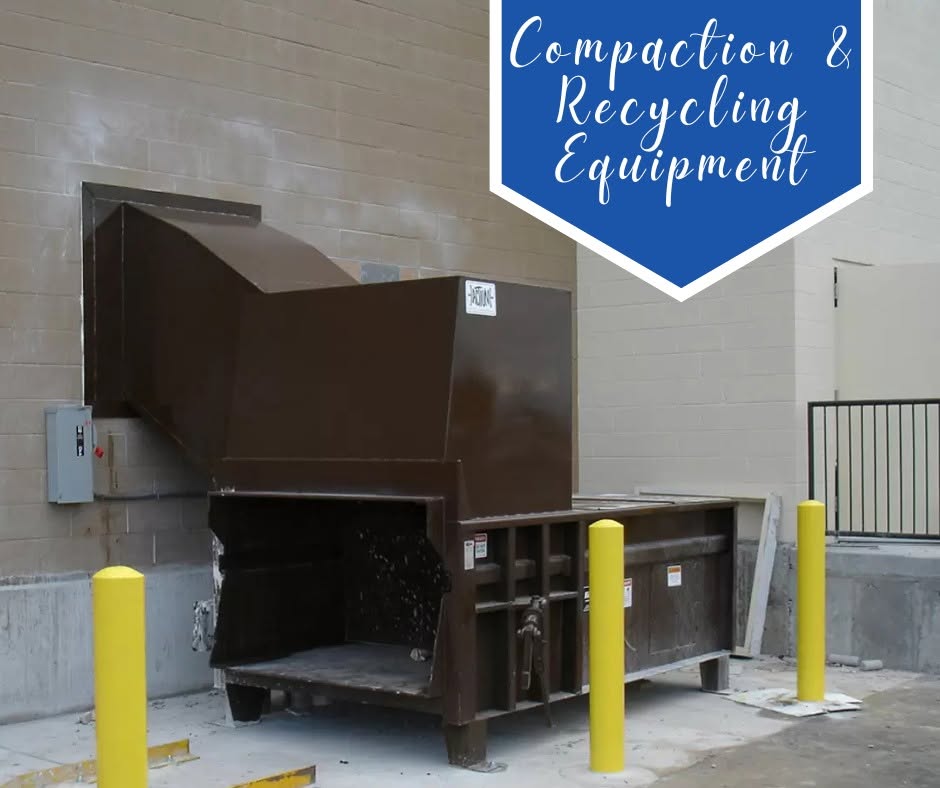
The fix is to make waste area maintenance part of daily operations. Businesses should assign responsibility for checking bins, removing overflow, and keeping disposal zones clean. Containers should be positioned where they do not block traffic, emergency exits, loading docks, or equipment access. High-volume areas may need larger bins, compactors, or more frequent internal collection. A clean waste area improves safety, protects productivity, and shows that the business takes operations seriously.
Problem 4: Employees Are Not Trained on Waste Procedures
Waste management often fails because employees do not know what is expected. A business may have recycling bins, disposal rules, and compliance procedures, but those systems only work if people understand them. New employees may not receive waste training, while long-time employees may follow outdated habits. Confusion is especially common when businesses handle multiple waste streams, such as cardboard, electronics, food scraps, chemicals, pallets, or confidential paper. When procedures are unclear, mistakes become routine.
The fix is to make waste training simple, visual, and recurring. Businesses should explain what materials are generated, where each item belongs, and what steps employees must follow for special waste. Training should be practical rather than overly technical. Managers can use posters, short videos, toolbox talks, and quick team reminders to reinforce expectations. When employees understand that good waste practices reduce costs, improve safety, and support sustainability goals, they are more likely to participate.
Useful training topics include:
- What can and cannot be recycled
- Where different waste bins are located
- How to handle hazardous or regulated waste
- What to do when bins are full
- How to report contamination or unsafe conditions
- Why waste reduction matters to the business
Problem 5: Recycling Programs Are Ineffective
Many businesses start recycling programs with good intentions but poor results. Containers may be placed in inconvenient locations, labels may be unclear, or employees may not know which materials are accepted. Recycling can also fail when food, liquids, plastic bags, or non-recyclable items contaminate bins. In some cases, businesses assume they are recycling certain materials without confirming that their waste vendor can actually process them. This leads to frustration and missed sustainability opportunities.
The fix is to design recycling around actual waste streams and local processing rules. Businesses should identify the materials they generate most often, such as cardboard, paper, plastic film, bottles, cans, metals, or pallets. They should then confirm which items their vendor accepts and how those items must be prepared. Recycling bins should be paired with trash bins so employees do not use recycling containers as general disposal points. Clear signage and periodic checks can reduce contamination and improve program performance.
Problem 6: Hazardous Waste Is Mishandled
Some businesses generate waste that requires special handling, even if they do not think of themselves as hazardous waste generators. Examples may include batteries, fluorescent lamps, cleaning chemicals, solvents, oils, paints, electronics, medical waste, or certain manufacturing byproducts. If these materials are placed in regular trash, they can create safety hazards and compliance problems. Improper storage may also lead to leaks, spills, fire risks, or employee exposure. Mishandling hazardous waste can result in fines, cleanup costs, and reputational damage.
The fix is to identify all regulated waste streams and create written procedures for handling them. Businesses should use approved containers, proper labels, secure storage areas, and qualified disposal vendors. Employees who work with these materials need specific training based on their role. Documentation should be maintained for pickups, manifests, inspections, and disposal records where required. When in doubt, businesses should ask their waste provider or environmental consultant for guidance before disposing of questionable materials.
FAQ: Business Waste Management Problems
What are the most common waste management problems businesses face?
Common problems include poor sorting, high disposal costs, overflowing bins, ineffective recycling, employee confusion, and improper handling of regulated waste.
How can a business reduce waste disposal costs?
A business can reduce costs by auditing waste volume, right-sizing containers, changing pickup schedules, separating recyclables, and improving employee sorting habits.
Why do recycling programs fail?
Recycling programs often fail because bins are poorly labeled, employees are not trained, accepted materials are unclear, or recyclable items are contaminated with trash or food waste.
What are waste management solutions?
Waste management solutions are services, systems, equipment, and processes that help businesses collect, sort, reduce, recycle, and dispose of waste more efficiently.
How often should businesses review their waste process?
Businesses should review waste processes at least once a year, or whenever operations, vendors, waste volume, regulations, or facility layouts change.
Building a Better Waste Management Plan
A strong waste management plan starts with understanding what the business throws away and why. Companies should conduct a waste audit, review vendor contracts, evaluate container placement, and identify opportunities to reduce, reuse, recycle, or divert materials. The plan should include clear responsibilities, employee training, safety rules, and performance metrics. It should also account for special waste streams that require separate handling or documentation. When the plan is practical and easy to follow, it becomes part of daily operations rather than an occasional cleanup project.
Businesses should also treat waste management as an ongoing improvement process. Waste patterns change when product lines, staffing levels, customer demand, packaging, or facility layouts change. Regular reviews help businesses catch inefficiencies early and adjust before costs increase. Partnering with reliable vendors can also facilitate improvements in recycling, waste management, and optimized pickup schedules. With thoughtful planning and the right waste management solutions, businesses can reduce costs, enhance safety, promote sustainability, and create cleaner, more efficient work environments.