
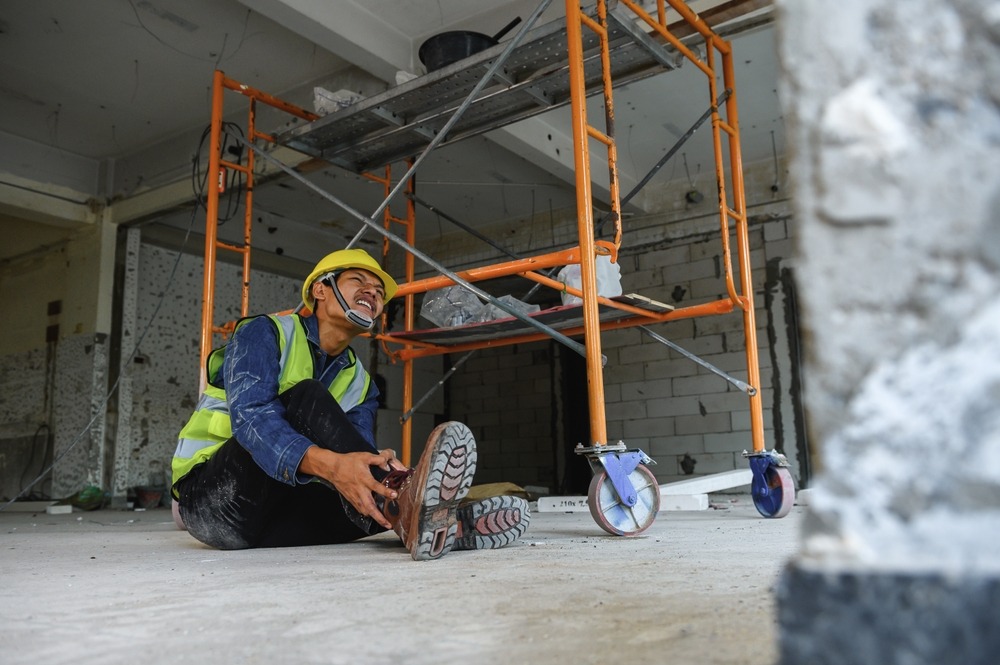
A construction site works like a moving machine where every team, tool, and task must fit together carefully. One missed message or unclear instruction can change the safety of an entire work area. Falling objects are not always caused by large failures. Sometimes, they begin with small gaps in planning, timing, or communication between crews. A worker below may face risks created by work happening several levels above.
For those dealing with these incidents, a lawyer for falling object injuries may examine how coordination and safety practices affected what happened. Here is how teamwork plays a role in preventing these accidents.
Why Coordination Is a Safety Tool, Not Just a Work Plan
Construction projects involve many workers performing different jobs at the same time. Electricians, equipment operators, material handlers, and other crews may all share the same space while completing separate tasks. Without clear coordination, one team’s work can create unexpected risks for another.
Good coordination helps everyone understand where work is happening, what activities are planned, and which areas may have additional hazards. This is especially important when work takes place above ground level. A team moving materials overhead must be aware of workers below, while those on lower levels need information about changing conditions around them.
Safety is not only about having equipment or rules in place. It also depends on making sure everyone understands how their actions connect with the work happening around them.
Where Coordination Gaps Can Create Overhead Hazards
Multiple Crews Working in the Same Area
Construction sites often have several crews working close together. Problems can arise if one group begins overhead work without proper communication with others nearby.
For example, a crew may start moving materials from an upper level while another team continues working below. Without clear warnings or restricted areas, workers may unknowingly enter a space where falling object risks exist.
Planning work schedules and separating active work zones can help reduce confusion. Knowing who is working where allows teams to complete tasks while avoiding unnecessary exposure to hazards.
Poor Material Movement Between Levels
Moving materials is a regular part of construction work, but it requires careful planning. Tools, equipment parts, and building supplies may become dangerous if they are not handled correctly during lifting or transportation.
Clear communication between workers involved in moving materials helps reduce mistakes. Everyone involved should understand where items are being moved, which paths are being used, and whether other workers need to stay away from certain areas.
A lack of coordination during material handling can create situations where workers below are exposed to falling objects without enough warning.
Missed Safety Updates During the Workday
Construction conditions can change quickly. A walkway may close, new equipment may arrive, or work may begin in an area that was previously inactive.
If these updates are not shared with all workers, someone may enter a space without knowing the risks involved. Regular communication helps workers stay aware of changes and adjust their actions accordingly.
Short safety discussions before tasks begin can help teams identify new hazards and make sure everyone understands their role in maintaining a safer workplace.
Simple Coordination Practices That Improve Safety
Strong communication does not always require complicated systems. Small daily actions can make a difference in keeping workers informed.
Helpful coordination practices include:
- Holding regular safety meetings before work begins.
- Clearly marking areas where overhead work is taking place.
- Planning material movement before lifting begins.
- Sharing updates between different crews.
- Reviewing changing hazards throughout the project.
These steps help create better awareness among workers. A construction site cannot remain safe through one person’s effort alone. Every crew member contributes to how well safety plans work in real conditions.
What Investigators Review After a Falling Object Accident
After a falling object accident, reviewing the worksite involves looking at more than the object that caused the injury. Investigators may examine whether communication, planning, and safety procedures were followed before the accident occurred.
Important information may include:
- Daily work schedules
- Safety meeting records
- Inspection reports
- Communication logs
- Witness statements
These details can help explain whether teams were properly informed about overhead activities and whether safety steps were taken. A review of the work environment may show how different actions or decisions contributed to the accident.
Understanding the role of coordination can provide important information for anyone working with a lawyer for falling object injuries while reviewing the details of a construction incident.
Final Thoughts
Construction work depends on teamwork, and safety depends on how well that teamwork functions. Clear communication, organized planning, and awareness between crews can help reduce the risks created by overhead activities.
Falling object accidents often involve more than one factor. The way workers communicate, manage materials, and coordinate tasks can affect the overall safety of the site. Looking closely at these details helps create a clearer understanding of what happened and why proper coordination matters in preventing future hazards.