
A noisy water heater often signals a change inside the tank or connected plumbing. Some sounds come from normal heating, while others point to sediment, pressure, or a failing part. Identifying the sound helps a homeowner choose a safe response instead of guessing. This guide explains common noises, practical checks, and situations that require a licensed professional. The right diagnosis begins with the sound itself, so the following sections match each noise to its likely cause.
Before touching the unit, a homeowner should note whether the noise occurs during heating, after hot-water use, or continuously. That timing narrows the search and helps separate normal burner or element operation from a developing fault. Learning why your water heater might be making a noise gives the homeowner a useful starting point, but the sound alone never justifies removing safety controls.
Common Causes Behind the Noise
A tank-style water heater stores hot water in a steel container. Minerals in hard water settle on the bottom and form sediment. Gas burners heat that layer, causing popping or rumbling as trapped water turns to steam. Electric elements also collect mineral deposits, which create sizzling sounds and reduce heat transfer. Water pressure, loose components, or thermal expansion can create additional sounds.
What Different Sounds Mean
Popping or Rumbling
Popping or rumbling usually points to sediment at the tank bottom. The deposit forces heated water through small pockets, which burst as steam. A flush removes loose sediment in many tanks, but heavy buildup can require service. Repeated noise after flushing indicates a deeper issue, such as a damaged heating element or restricted valve.
Screeching or Sizzling
A screeching sound often comes from water pushed through a partially closed valve. Sizzling near an electric element can indicate mineral buildup or water dripping onto a hot surface. Turn off power before inspecting an electric unit. A gas appliance that hisses, smells like gas, or produces soot needs immediate professional attention.
Ticking or Knocking
Ticking or knocking can come from pipes expanding as hot water moves through them. Straps, framing, or tight openings can transmit that movement into walls. The noise often stops after the cycle ends. A plumber can secure pipes or adjust clearances without replacing the heater.
Safe Steps to Reduce Water Heater Noise
Start with the owner’s manual and identify the heater type before attempting a repair. Gas and electric models use different shutoff procedures. A homeowner can check that the temperature setting is reasonable, confirm that the water and gas connections show no leaks, and listen for changes during a heating cycle. The homeowner should never remove a burner assembly, bypass a relief valve, or open a sealed combustion chamber.
For a gas tank, sediment removal usually involves shutting off the gas, closing the cold-water supply, attaching a hose, and draining the tank to an approved location. The exact sequence depends on the model. Electric tanks require shutting off power at the circuit breaker during service. A full flush can take time, and a blocked drain valve can complicate the work. A licensed plumber should handle stubborn sediment or any repair involving gas, electrical wiring, or pressure controls.
When a Professional Should Inspect the Heater
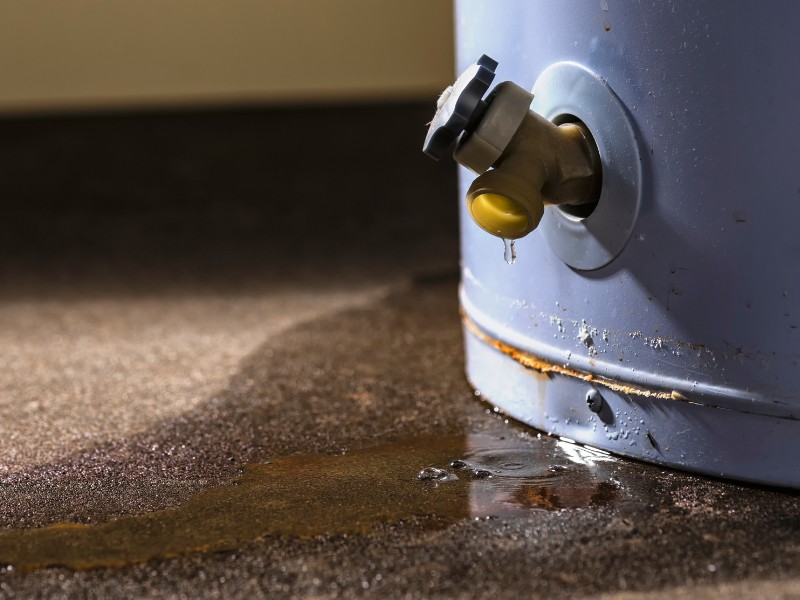
A professional inspection is necessary when the heater leaks, the pressure relief valve discharges water, or the noise continues after basic maintenance. Rust-colored water, repeated loss of hot water, and a burner that will not stay lit also require service. These signs can indicate tank corrosion, a faulty control, or unsafe combustion.
If you smell gas, leave the area immediately. Do not operate switches, light flames, or use electrical devices nearby. Move outside and contact the gas utility or emergency service from a safe location. If water leaks near electrical equipment, keep the power off until a qualified technician checks the system.
When Repair or Replacement Makes Sense
A flush or valve adjustment can resolve noise caused by loose sediment or restricted flow. Replacement becomes more practical when the tank leaks, corrosion affects the shell, or repairs cost more than the heater’s remaining service value. A technician can compare the unit’s condition, repair needs, and household hot-water demand before recommending the next step.
Conclusion
The sound provides the first useful clue, but safe diagnosis requires attention to timing, heater type, and visible warning signs. Sediment often causes popping and rumbling, while valves, pipes, and heating elements create other noises. A homeowner can record the sound and check for leaks without opening sealed components. If the noise persists, gas is present, or water reaches electrical parts, shut down the equipment and schedule a licensed inspection before using the heater again.