
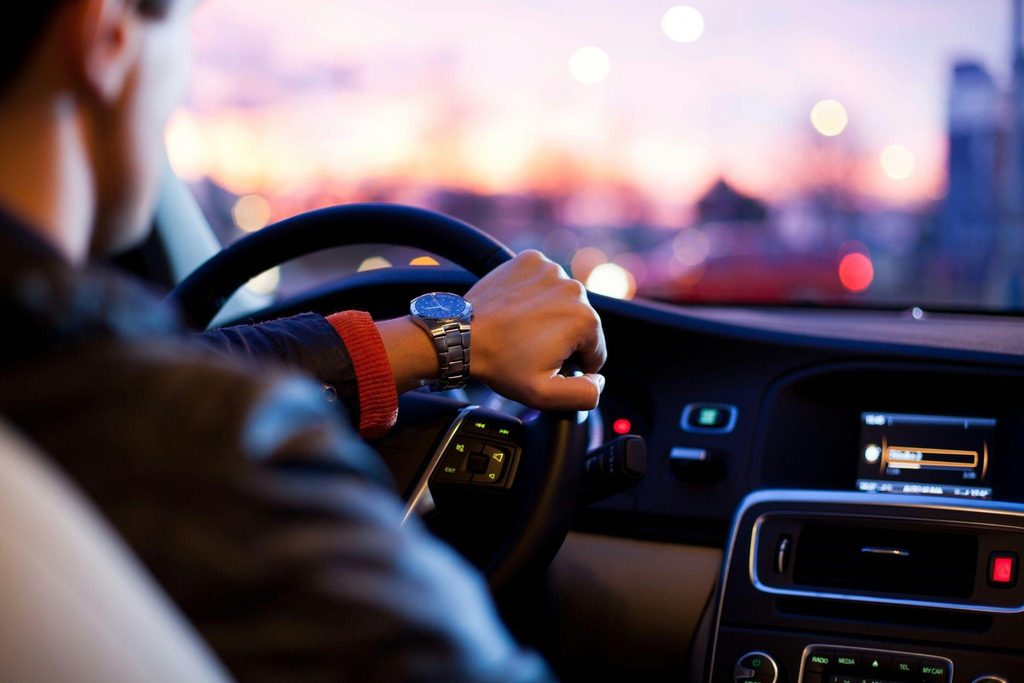
Photo by why kei on Unsplash
Company vehicles used after hours. Detours that add miles to routes that should be direct. Personal errands run on company time. These situations are common in small business fleets, and they share a characteristic: they’re difficult to address without evidence, and they’re costly to ignore.
The instinctive response is to be more attentive – to call drivers more frequently, to review fuel receipts more carefully, to ask more questions about where vehicles have been. The problem with this approach is that it scales poorly, creates tension with drivers, and still produces incomplete information. A driver who knows the check-in calls come at 10am and 3pm can manage their behavior around those times.
Systematic vehicle tracking is a better answer, and not just because it produces better data. It changes the dynamic of the relationship by making the monitoring automatic and transparent – which is both more effective as a deterrent and less adversarial as a management practice.
Why Unauthorized Vehicle Use Is More Common Than Most Owners Think
A company van parked outside someone’s house on Saturday morning. A service truck with 15 more miles on it Monday morning than Friday evening. A fuel receipt for a station that’s nowhere near any job site.
These patterns exist in a significant portion of small business fleets, and most owners who implement tracking for the first time discover at least some level of unauthorized use they weren’t previously aware of. The SBA reports that vehicle-related operational expenses represent one of the top cost categories for small service businesses, and unauthorized use is a consistent contributor to inflated costs in fleets without monitoring systems.
The pattern exists not because employees are universally dishonest, but because the opportunity exists and the probability of detection is low. A system that changes the probability of detection – making it effectively certain – changes the behavior.
How a Vehicle Tracker Changes the Equation
A vehicle tracker records the position of each vehicle continuously, including hours, days, and locations outside of normal work schedules. Geofencing alerts notify the business owner or manager when a vehicle moves outside of defined operating hours or leaves a defined geographic area.
This means that a van that moves at 11pm on a Tuesday triggers an automatic alert, regardless of whether anyone was planning to check on it. The system monitors continuously; the owner doesn’t have to.
The immediate effect is deterrent. When employees understand that vehicle movement is automatically recorded at all times, the decision to use a company vehicle for personal purposes becomes a conscious risk rather than an opportunity. Most employees, given that understanding, make a different choice – not because they’re threatened, but because the clear boundary and its enforcement mechanism have been established.
The Policy Question
Tracking is more effective when it’s paired with a clear policy. Some businesses permit limited personal vehicle use under defined conditions; others restrict it entirely outside of work hours. Either approach can work, but the policy needs to be explicit, communicated to all drivers, and consistently applied.
The FMCSA provides guidelines for fleet operators on establishing and documenting vehicle use policies that hold up in employment and insurance contexts. A documented policy that has been acknowledged by drivers creates a clear framework for addressing violations and provides protection for the business if disputes arise.
Protecting Drivers as Well as the Business
One aspect of vehicle tracking that business owners sometimes overlook is its protective function for drivers. When a company vehicle is involved in an accident during off-hours use, the question of who was driving and whether the use was authorized becomes immediately relevant – both for insurance purposes and for liability. A GPS record that shows a vehicle moving during a time period when it shouldn’t have been provides evidence that protects the business.
Conversely, a driver who is falsely accused of using a vehicle inappropriately benefits from the same record. If the data shows the vehicle was parked all evening, the accusation is resolved without a difficult conversation.
Starting the Monitoring Program
The most effective approach to introducing vehicle monitoring is transparency before activation. Explaining to drivers what the system monitors, why it’s being implemented, and how the data will be used – and then following through consistently with what was promised – produces better outcomes than surprise monitoring.
Businesses that implement tracking with clear communication report smoother adoption and better driver relationships than those that deploy it without explanation. The system is most effective as a deterrent when drivers know it exists and understand what it does.