

Orlando’s warm, humid climate can create favorable conditions for many household pests. Warm weather, humidity, rain, and abundant landscaping provide inviting conditions for ants, cockroaches, spiders, rodents, and other pests. Pests can enter through doors, windows, kitchens, garages, and outdoor areas even when a home is kept clean. Moreover, repeated sightings can be frustrating, while store-bought sprays may provide only temporary relief.
Considering that, prevention is a more effective approach than waiting for pest problems to become established.
This is where a professional pest control service comes in. They focus on identifying how pests are entering, locating areas of activity, applying targeted treatments, and adjusting prevention measures as conditions change. Regular service can also help identify early signs of activity before a small pest problem develops into a larger infestation that can spread across your property.
To understand how exterminators in Orlando manage these challenges, it is important to explore the strategies they use to track pest behavior, target problem areas, and maintain long-term protection throughout the year. So, keep reading.
1. Know Pest Patterns
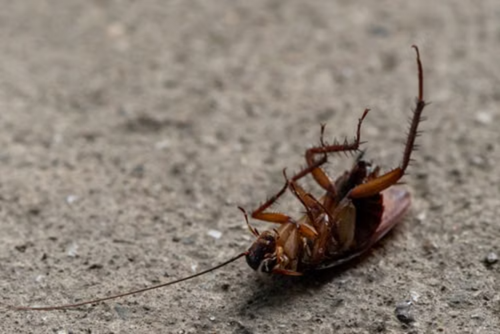

Unlike northern cities such as Detroit where deep winter freezes naturally suppress insect populations, many pests are active all year round in Orlando’s warm climate. For ants, available food or moisture can encourage them to enter homes. Cockroaches tend to hide in kitchens, bathrooms, garages and other moist places. Where insect activity is present, spiders may also appear in quiet corners of homes, garages, and storage areas.
Moreover, rain can alter pest activity by pushing some insects toward sheltered areas, while warm, wet conditions can also increase activity around vegetation and standing water. As conditions change, rodents may also look for their food and shelter. Understanding these patterns can also explain why pest activity may return after a brief respite.
In such situations, working with exterminators in Orlando can help you identify these pest patterns and understand where activity is most likely to occur.
Professional technicians use pest behavior to guide their inspections. Technicians look for droppings, trails, nests, webs, gnaw marks, moisture, and entry gaps rather than treating every area. These findings help technicians determine where treatment and prevention efforts should be focused.
2. Build Targeted Barriers
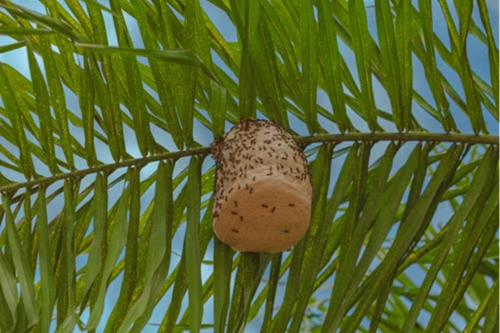

A thorough property inspection is an important first step in effective pest control. Technicians can examine exterior walls, doors, windows, utility openings, foundations, garages, and other potential access points. Interior areas also matter when pests have already found their way into your house.
Treatment should be appropriate to the pest and its location. Trails and entry points may require attention if there is an ant problem. Treatment may be necessary around hiding places and water sources to control cockroaches.
A different strategy is required to address rodent issues involving access, food sources, and shelter. Matching treatment to pest behavior can help avoid unnecessary applications.
The treatment plan should also account for your home’s layout and surrounding conditions. Pest pressure can increase with dense vegetation, regular watering, cracks around utilities, or water near foundations. A customized plan can provide more targeted protection than routine treatment that does not account for the property’s condition.
3. Control Moisture Sources
Moisture can make a property more attractive to many Orlando pests. Favorable conditions are created by leaking faucets, clogged gutters, poor drainage, damp mulch, and standing water. Regular maintenance in bathrooms, kitchens, laundry areas, garages, and shaded outdoor spaces can help limit moisture-related pest conditions.
Leak prevention, drainage improvements, debris removal, and vegetation control can help reduce conditions that support pest activity around the property.
Prevention also continues between visits from a professional service. A technician or other expert can identify issues that enable pest activity and provide actionable solutions.Combined with appropriate treatment, these maintenance measures can make the property less favorable to recurring pest activity.
4. Maintain Regular Coverage
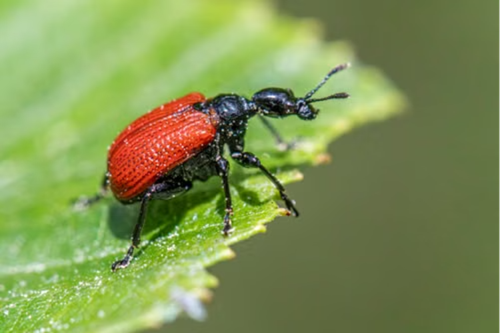

Regular maintenance and targeted treatment can help control existing pest activity, but tropical climates can create new pest pressure after treatment. Many insects remain active under warm conditions for extended periods of time. Regular service allows technicians to monitor changing pest activity and respond before problems become more established.
Recurring service can also address changes in pest activity or property conditions. During visits, a technician may identify additional entry points, ant trails, rodent activity, spider webs, or other changes that indicate ongoing pest activity. Treatment can then be adjusted to current conditions rather than relying on an outdated treatment plan.
The frequency of the service can vary according to pest pressure, property conditions, and the level of protection required. Service may be scheduled at appropriate intervals, such as bi-monthly or quarterly visits.
5. Act Before Infestations Grow
Early action can make pest problems easier to manage before activity becomes more established. A few roaches in a garage, several ants around a window, or a new spider web may not seem significant.
Unaddressed activity may result in small pest issues becoming more challenging to manage. Exterminators aid in avoiding this development as they attend to the initial signs of infestation, estimate the degree of activity and identify the most appropriate strategy before the pests spread.
In case of increased activity, technicians will be able to modify the treatment methods, focus on the areas where the pests are becoming established, and monitor the outcomes to avoid the problem. The intervention at the initial stages assists in controlling the growth of the pests and makes management in the long run easier.
Conclusion
To manage pests year-round in Orlando, treating visible pests alone is not enough. Regular inspections, targeted treatments, moisture control, prevention, and follow-up can help manage pest activity as conditions change.
Knowing the local pest pressures and implementing appropriate solutions enables homeowners to minimize the disruptions brought about by frequent pest infestation.
Professional exterminators bring expertise that helps address complex pest issues while maintaining a consistent level of protection for properties.