
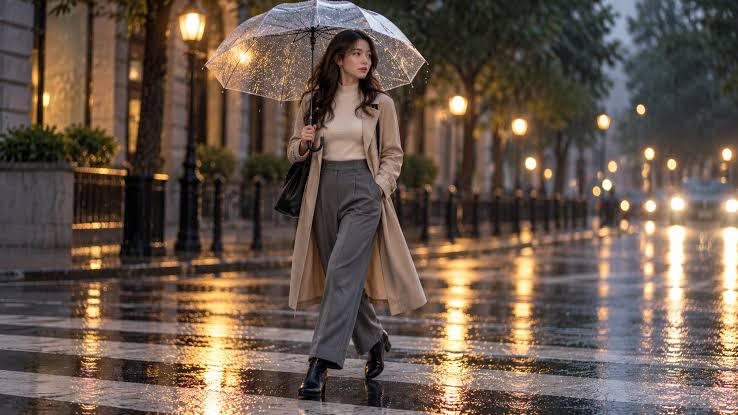
A travel photograph can preserve the beauty of a place, but it cannot always capture the feeling of being there. The wind moving through palm trees, waves reaching a quiet beach, or clouds drifting above a mountain all contribute to the atmosphere of a destination. When these details are brought to life, a familiar photograph can become a more immersive visual experience.
The image to video process gives travelers, content creators, and tourism businesses a way to explore this possibility using photographs they already have. Instead of arranging another shoot, they can experiment with subtle motion that adds depth and atmosphere to existing travel images. The key is to preserve the character of the place while introducing movement that feels appropriate to the scene.
Begin with the Feeling of the Destination
Every destination has a distinctive mood. A busy night market feels different from a quiet lakeside retreat, and a snowy mountain village creates a different impression from a sunny coastal town. Before animating a photograph, decide which aspect of the destination you want viewers to experience. If the image shows a peaceful beach, gentle waves and slowly moving clouds might reinforce its relaxing atmosphere. If it captures a crowded street, movement among pedestrians or a gradual change in camera perspective could communicate the energy of the location.
Think about what makes the place memorable rather than simply what is visible in the photograph. This approach helps prevent unnecessary animation. A quiet landscape rarely needs dramatic camera movement, while a vibrant urban scene may benefit from a more dynamic treatment. When the motion reflects the destination’s character, the result feels more connected to the original experience.
Look for Natural Movement Already Suggested by the Image
A good travel photograph often contains clues about what could move. Water suggests ripples and waves, trees suggest wind, and clouds provide opportunities for gentle changes across the sky. These details create a natural starting point because the movement belongs to the scene. Imagine a photograph of a narrow street in an old European town. The buildings may remain completely still while sunlight shifts subtly across the pavement or a distant pedestrian moves through the frame. This can make the scene feel alive without changing its recognizable architecture. A mountain lake offers different possibilities. Small movements across the water may add atmosphere while preserving the stillness that makes the location appealing. Before writing a prompt, identify one or two elements that could reasonably move. If nothing in the image suggests a clear action, a slow camera movement may be enough to introduce visual interest.
Protect the Details That Make the Place Unique
Travel imagery often depends on recognizable details. A historic building, a distinctive mountain ridge, or the layout of a famous square may be the main reason someone wants to view the photograph. Animation can sometimes distort these features, especially when a scene contains complex architecture, overlapping objects, or detailed backgrounds. A building may appear to bend, windows may change shape, or the outline of a mountain may shift unexpectedly. For this reason, decide which details must remain stable before generating the clip. If the architecture is the main subject, consider limiting movement to the surrounding environment or using a gradual camera approach.
An ai image to video generator can help explore different motion treatments, but the results still need careful review. A visually dramatic clip is not necessarily successful if it alters the features that identify the destination. This matters particularly for travel businesses, tour operators, and accommodation providers, where viewers may expect promotional imagery to represent a real place accurately.
Use Camera Movement to Guide the Journey
Movement does not always need to come from objects within the photograph. The camera itself can create a sense of discovery by changing the viewer’s perspective. A slow push toward a distant waterfall can draw attention to its scale. A gentle sideways movement across a seaside village can reveal more of the setting. A gradual pullback from a campsite may show how it fits into the surrounding landscape.
These approaches work best when the direction is easy to understand. A complicated camera path can distract from the destination or create unwanted distortions. Choose a movement that leads the viewer toward something worth noticing. If the photograph already contains a strong focal point, move toward it. If the surrounding scenery is the main attraction, a slower reveal may be more appropriate. Dreamina is one option creators can explore when experimenting with image-based animation, although available controls and output quality vary between tools.
Build a Travel Story Across Several Clips
A single animated photograph can work well as a short post, but several clips can create a stronger sense of place when arranged thoughtfully. Imagine a short feature about a weekend in the countryside. It might begin with an animated landscape, move to a photograph of a local café, and finish with a quiet walking trail. Each clip reveals a different part of the experience. The sequence should have a reason for its order. Beginning with a wide view establishes the setting, a closer scene introduces local character, and a final image can leave viewers with a memorable impression.
Keep the movement styles reasonably consistent throughout the sequence. One clip with extremely fast motion followed by several slow, peaceful scenes may feel disconnected unless that contrast serves the story. You do not need dozens of images. A small selection of photographs with complementary subjects can be enough to create a coherent visual narrative.
Prepare the Final Video for Its Audience
Once the animation created with an ai image to video generator is complete, consider where people will watch it. Travel content intended for mobile feeds may need vertical framing, while a website feature or presentation may work better in a wide format. Check that important landmarks remain visible after cropping. Review the clip for distorted details, sudden changes, and movement that makes the destination difficult to recognize.
If the video promotes accommodation, tours, or paid experiences, ensure that generated motion does not imply features or conditions that are not actually present. Review the relevant platform terms before using the output commercially. A little attention at this stage helps preserve trust while making the content more engaging.
Conclusion
Travel photographs already contain the foundations of a story: a place, an atmosphere, and details that make the destination memorable. Image animation can extend that story by introducing movement that feels natural and directs attention toward what matters most. Start with the mood of the location, use elements that suggest believable motion, and protect the details that make the scene recognizable. Whether you are sharing personal memories or creating travel marketing content, a restrained and purposeful approach can turn still photographs into engaging visual experiences.
Frequently Asked Questions
Which travel photographs work best for image to video?
Images containing visible environmental elements, such as water, clouds, trees, or open landscapes, offer useful opportunities for natural movement. Clear compositions also help preserve important landmarks and details.
Can I animate photographs of historic buildings?
Yes, but it is wise to keep architectural movement minimal. Gentle camera movement or subtle changes in the surroundings can add interest without unnecessarily altering the building’s recognizable features.
How can I make an animated travel clip feel realistic?
Choose movement that suits the environment, such as waves moving across water or leaves swaying in a breeze. Avoid combining too many actions, and inspect the final clip for changes to buildings, landscapes, and other important details.
Can travel businesses use AI-animated photographs in promotions?
They may be useful for social posts, website visuals, and promotional concepts. Businesses should verify that the imagery represents the actual destination accurately and check the relevant licensing terms before commercial publication.
Should I animate every photograph in a travel video?
No. Mixing animated photographs with carefully chosen still images can create a more comfortable viewing rhythm. Animate images when movement adds atmosphere, reveals a detail, or helps advance the story.