
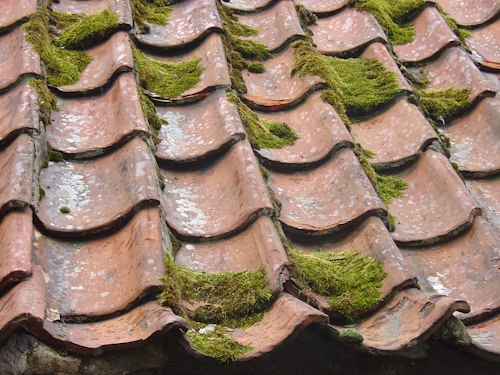
Asphalt shingles are designed to last about two decades; however, moss can greatly shorten this lifespan faster than most homeowners could ever imagine. In the Pacific Northwest, with its humid, shady weather, moss growth on roofs with plenty of both is almost guaranteed.
However, moss is not just about making a roof look unattractive. It lifts shingle edges, traps moisture against the surface, and washes away protective granules. When left untreated, it causes rapid shingle degradation, leading to leaks and premature replacement.
Luckily, this kind of damage is largely preventable. Professional moss removal cleans a roof of moss without damaging asphalt shingles, unlike DIY removal or improperly performed pressure washing.
Here are five particular ways in which this is achieved.
1. Stops Moss From Lifting and Loosening Shingles
Unlike other types of vegetative infestation, moss is not merely sitting atop a roof. During the growth process, it sends its rhizoids beneath shingle edges and tabs, lifting them high enough for wind-driven rain to reach the roof’s underlayment.
Professional moss removal will ensure that moss does not have time to loosen the shingles, which prevents any breaks in the roof’s waterproof seal. Once shingles become detached, even a little bit, each subsequent rainstorm gets under them, which is one of the surest ways for the roof deck to leak and rot.
Even a small amount of lift, invisible from the ground, is enough to let water travel sideways under the shingle course above it, which is why moss-related leaks often show up far from where the moss itself was growing.
2. Preserves the Protective Granule Layer
Shingle granules exist to shield the asphalt layer from UV rays and weathering, and moss growth accelerates their loss. An Oregon State University Extension Service report explains that moss traps soil and debris on roof surfaces, holding moisture there and prolonging the time the roof stays wet, conditions that accelerate material breakdown.
By removing moss before that prolonged dampness sets in, professional cleaning slows granule loss. Once too many granules are gone, the asphalt underneath is exposed directly to sunlight and temperature fluctuations, which is when shingles begin to curl, crack, and lose their waterproofing ability years ahead of schedule.
Granule loss is largely irreversible, so protecting that layer before it wears away matters far more than trying to restore a roof’s appearance after the fact.
3. Uses Gentler Methods That Do Not Strip Shingles Themselves
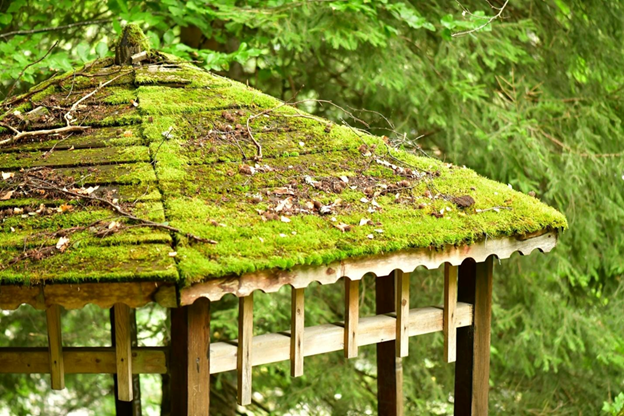
How moss is removed matters as much as whether it is removed at all. High-pressure washing is one of the most common mistakes that homeowners make when trying to remove moss, because it strips the same granular material from your roof as moss has been doing.
Professionals use gentle agitation with brushes and blowers, along with moss removal treatments that remove moss without stripping the shingle layer that has years of roof life left.
The same caution applies to chemical treatments: some common moss-killing products are toxic to fish and aquatic life if they run off into storm drains, so a professional applicator also controls where and how much product is used.
4. Catches Moisture Problems Before They Compound
A full moss-removal visit typically includes clearing and inspecting gutters and downspouts, not just the shingle surface. That matters because clogged gutters keep water sitting against the lowest rows of shingles and roof edges, the same conditions that let moss establish itself in the first place.
By addressing debris in the gutters at the same time as the moss on the roof, a professional visit interrupts the cycle where trapped moisture feeds new growth, which in turn traps more moisture.
Catching this pattern early prevents small, isolated damage from spreading across a wider section of the roof, and it often reveals minor issues, like a loose shingle tab or a small gap in the flashing, when they are still an easy fix rather than an expensive repair.
5. Prevents Moss From Reestablishing Through Regular Maintenance
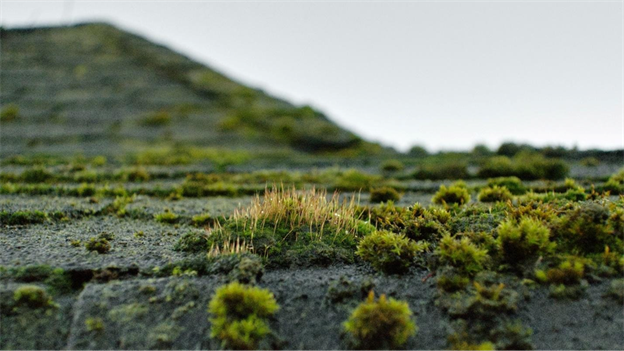
Cleaning once will not solve the problem permanently. The moist, shady roofs will remain prone to moss growth, and a one-time cleaning without periodic maintenance will definitely have new moss after a year or two, particularly when there are hanging trees nearby. Scheduling periodic maintenance ensures that moss does not have a chance to grow into a deep layer, which helps avoid excessive granule loss.
This is what distinguishes a roof that lasts its natural lifespan from one that needs replacement before then. For homeowners under trees or in consistently shaded areas, a maintenance schedule of roughly once or twice a year is usually enough to keep moss from ever building up to the point of causing real damage.
Final Thoughts
Moss growing on an asphalt roof is usually not simply a problem of aesthetics. It absorbs water, lifts the shingles, and wears off the granules that waterproof the roof, but the removal process could actually be just as damaging as the moss itself. This process should always be performed by a professional and regularly to preserve the integrity of the granule coating, shingle bond, and the roof deck below.