
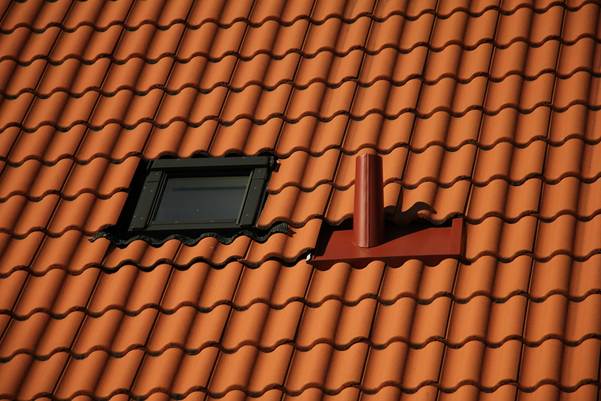
What does the weather above a building have to do with the roof that protects it? Heat, rain, wind, snow, and coastal air can affect a roof’s strength, lifespan, and care needs. For commercial buildings, the right roof can lower repair costs, protect goods and equipment, and help keep indoor spaces comfortable.
The wrong choice may lead to leaks, high energy bills, or early damage. Understanding climate and roofing choices helps building owners make better decisions. In this guide, you’ll discover how to choose durable roofing materials that match local weather and protect your building for years.
Why Local Weather Should Guide Roof Design
A roof faces the weather every day, even when no one is inside the building. Sunlight can heat its surface, rain can test its drains, and strong winds can pull at its edges. Over time, these forces can wear down the roof and weaken its parts.
Before choosing a roof, owners should learn what weather is common in their area and how it may change. A building in a hot, dry place needs different protection from one in a region with heavy rain or snow. Local weather records, advice from roof experts, and checks of nearby buildings can help guide a sound choice.
A nearby building can offer useful clues, but its roof may have a different slope, age, or use. Ask why a system has worked well there before copying the same design. The goal is to match the roof to the building and the weather, not to follow a trend.
How Heat and Sun Affect Roofing Materials
Strong sun can make roof surfaces very hot, especially on large buildings with little shade. Heat can cause some materials to expand, while cooler nights make them shrink again. These repeated changes can stress seams, joints, and fasteners, which may lead to cracks or leaks over time.
In warm regions, a roof that reflects more sunlight can help keep the building cooler. Light-colored roofs and special reflective coatings may lower surface heat and reduce the need for air conditioning. Owners should still check the material’s lifespan, care needs, and fit for the building before making a choice.
Heat can also affect workers who maintain a roof and people inside the building. A very hot surface may make repair work harder and can raise indoor cooling needs if insulation is weak. Shade, reflective finishes, and good insulation can work together to reduce these pressures.
Choosing Roofs for Heavy Rain and Moist Air
Rain puts pressure on every part of a roof, from the top surface to the drains and seams. If water cannot flow away, it may pool on flat areas and slowly find weak spots. Damp air can also raise the risk of mold or rust when water gets into the roof system.
A good roof for a rainy climate needs strong waterproof layers and a clear path for water to leave. Gutters, drains, and roof slopes should be planned to handle local rain levels, including short storms that bring a lot of water. Regular checks help find blocked drains, loose seams, and small leaks before they cause costly damage.
Roof drains should be sized for the rain the site may receive, not just for an average shower. Drain openings need clear access so leaves and trash can be removed with care. In places with frequent storms, an overflow route can help limit damage if a drain becomes blocked.
Preparing Commercial Roofs for Strong Winds
High winds can lift roof edges, loosen panels, and carry branches or other debris onto the surface. Wind damage often starts at corners and edges, where pressure can be stronger than in the middle of the roof. If roof parts are not secured well, a small weak point may turn into a large opening during a storm.
Commercial roofs in windy areas need materials and fasteners rated for the local risk. A strong roof deck, secure edge details, and well-sealed seams can help keep the system in place. Owners should also trim nearby trees and check the roof after major storms, since hidden damage may not show from the ground.
Nearby signs, rooftop units, and solar panels must also be attached with care, because wind can push or lift them. Any new equipment should be checked against the roof maker’s rules and local building codes. Good planning helps protect both the roof and the people around the building.
Roofing Choices for Snow and Freezing Weather
Snow can add heavy weight to a roof, while ice can block drains and form along roof edges. When snow melts and freezes again, water may work under roof materials and enter the building. Freeze and thaw cycles can also widen small cracks in some roof parts.
Buildings in cold regions need a roof system designed for snow loads and ice risks. Insulation and air sealing help keep indoor heat from melting snow unevenly, while proper drainage helps water move away. A roof expert can review the building frame, roof slope, and local snow rules before suggesting materials or repairs.
Matching Roof Materials to Local Conditions
Different roof materials handle weather in different ways, so no single option works best for every building. Metal roofs can be durable and shed rain well, while some membrane roofs suit large, low-slope commercial buildings. Built-up roofs and modified bitumen systems may also fit certain sites, depending on their design and upkeep needs.
The best choice depends on more than the price paid on installation day. Owners should compare expected life, repair needs, energy use, fire rating, and how well each material handles local weather. A product that works well in one town may perform poorly in another, so local experience matters.
The roof’s shape matters too, because some products work best on flat or low-slope roofs while others suit steep roofs. Weight is another key point, since the building frame must safely support the full system. A professional review can rule out options that do not fit the structure.
Hail and falling debris can matter in some regions, too, even when they are not the main weather concern. A roof surface should be strong enough for local risks and easy to inspect after a storm. Ask whether impact ratings apply to the product and whether repairs will be simple to arrange.
When a Cool Roof Makes Sense
A cool roof reflects more sunlight and releases heat better than a roof that absorbs it. This can help reduce heat moving into a building during warm weather, which may lower cooling costs. The effect depends on the building’s use, insulation, local climate, and the roof’s condition.
Cool roofs may be useful for warehouses, shops, offices, and other large buildings in hot or sunny places. They can also help reduce heat in built-up areas where many dark roofs and paved surfaces raise local temperatures. Owners should ask about cleaning, coating life, and expected savings before deciding if a cool roof is worth the cost.
The Role of Insulation and Ventilation
Roof materials are only one part of a roof’s performance, because heat and moisture can also move through the space below. Good insulation slows heat transfer, helping buildings stay warmer in winter and cooler in summer. Proper air control can also help stop moist indoor air from reaching cold roof parts and causing condensation.
The right design depends on the roof type and how the building is used. A warehouse with stored goods may need a different plan from an office with many people and computers. A roof professional can review insulation levels, air leaks, and ventilation needs so the full system works together.
Poor moisture control can harm more than the roof surface. Wet insulation may lose some of its value, and trapped water can harm wood or metal parts below. A complete design should manage heat, air, and moisture as one system, based on the building’s needs.
Planning for Coastal Air and Salt Exposure
Buildings near the sea face salt in the air, strong winds, and sometimes heavy rain. Salt can speed up corrosion on metal parts, including fasteners, flashing, and roof panels that are not made for coastal use. If these parts weaken, water can enter and damage the building below.
Coastal roofs should use materials and fixings that resist rust and salt damage. Owners can ask about coated metals, suitable membranes, and details that keep water out of joints. Regular washing and checks may also help, but the care plan should follow the maker’s advice and the site’s level of exposure.
How Climate and Roofing Choices Work Together
A roof’s starting price is only one part of its full cost. A low-cost material may need frequent repairs in harsh weather, while a stronger system may last longer with fewer problems. Energy bills, lost work time, damaged goods, and emergency repairs can add to the total cost of ownership.
Owners should compare the likely costs across the roof’s expected life, not just the first bill. Ask for clear details on material life, service plans, warranties, and what damage is not covered. A simple roof budget should also set aside money for inspections and small repairs, which can prevent larger bills later.
Insurance rules may affect the decision as well, especially in places that often face hail, wind, fire, or flooding. Owners should check policy terms and ask whether certain materials or safety steps may affect coverage. This review can reveal costs that are easy to miss during early planning.
Keeping Roofs Ready for Changing Weather
Weather patterns can shift over time, and some areas now face more intense heat, rain, or storms than they did in the past. A roof that met local needs years ago may need added drainage, stronger edge parts, or better heat control. Planning for likely future conditions can reduce the chance of early failure.
Owners can start by checking local climate risks and asking a qualified roof expert to inspect the current system. The review should look at weak seams, old coatings, blocked drains, and areas where water tends to collect. When a roof is near the end of its life, upgrades can be planned before a leak or storm forces a rushed decision.
Why Regular Roof Checks Matter
Even a well-built roof needs care, because small problems can grow when they are left alone. Loose flashing, cracked sealant, clogged drains, and damaged panels can let water in during the next storm. Finding these issues early often makes repairs simpler and less costly.
A regular check should happen at least twice a year and after major weather events, when it is safe to do so. Trained workers can inspect areas that are hard to see from the ground and record changes over time. Owners should keep notes and photos of repairs, so they can spot repeat issues and plan future work.
Finding Climate-Smart Roofing Help in Northern California
Northern California includes coastal areas, inland valleys, and higher places with different weather needs. Some buildings face sun and dry heat, while others must handle rain, wind, fog, or cooler winter nights. Commercial owners should choose a roof system based on the site’s real risks rather than a general regional label.
Local roofing teams can help review the building, compare suitable materials, and plan for drainage, heat control, and wind resistance. If your property needs expert support, explore roofing services in Northern CA to learn about options for commercial buildings in the region. Ask any provider to explain the materials, expected upkeep, warranty terms, and how the proposed system fits your local climate.
Make Your Roof a Better Fit for the Weather
A roof works best when its design matches the weather it faces each season. Climate and roofing choices should guide decisions about materials, drainage, insulation, and routine care, not just the first cost. Owners who plan well ahead can lower leak risks, protect their buildings, and make better use of energy.
Start with the local climate, then compare roof systems with help from a trusted professional. Ask clear questions and choose a plan that fits both the building and its budget.
Did this guide help you? Browse the rest of this section for more advice on a variety of topics.