
As local homeowners embrace greener renovations, residential builders turn to certified lumber and traceable hardwoods to ensure long-lasting craftsmanship.
Planning a major outdoor addition often comes down to choosing between modern convenience and long-term durability. Expanding your living space across New York or Westchester County means preparing your home for dramatic climate shifts, from freezing winters to intense summer heat. While synthetic decking composites once dominated suburban renovations, many property owners now find themselves reconsidering petroleum-based plastics that warp or fade under heavy climate exposure. Selecting certified tropical hardwoods gives your outdoor project unmatched natural resilience while maintaining strict environmental responsibility.
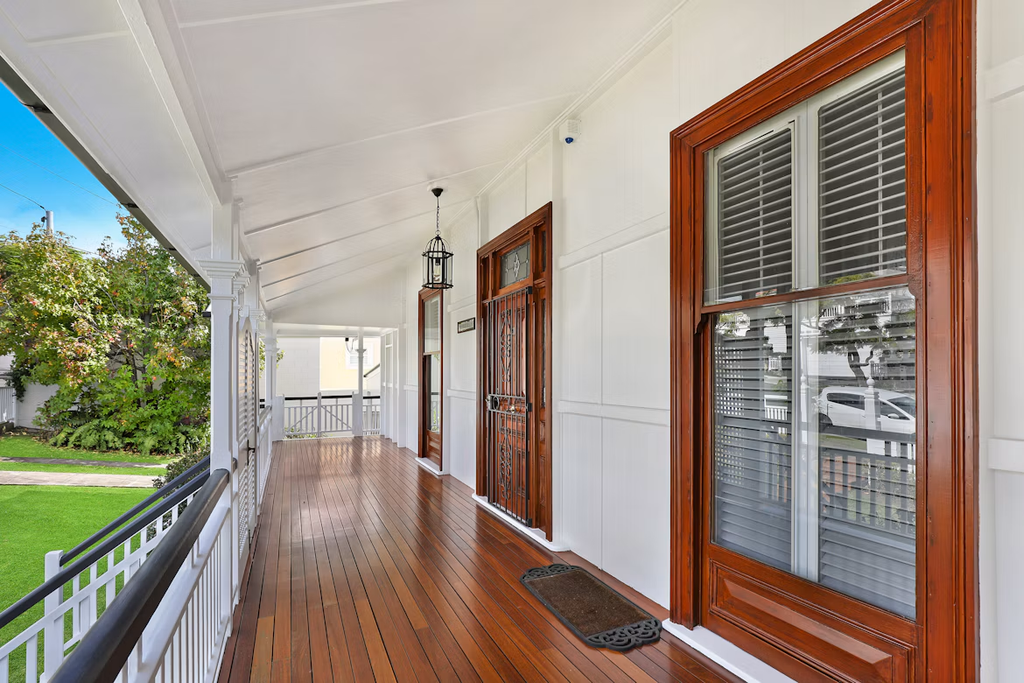
Photo by Wes Fischer on Unsplash
Why are local homeowners shifting toward verified natural materials?
Custom terraces, pergolas, and elevated porches require materials capable of handling heavy moisture without rotting or losing structural stability. A recent feature by the National Native American Law Alumni group noted that certified timber and verified material sourcing have become central to modern residential planning. Homeowners want peace of mind knowing their building supplies come from responsibly managed forests rather than illegal logging operations.
Choosing verified origin documentation protects your project from supply chain delays while delivering authentic architectural appeal. When you review residential architectural specifications, choosing sustainably sourced wood protects your investment by ensuring high structural density and natural resistance to decay. Modern builders appreciate working with traceable lumber because it offers consistent grading and reliable performance across demanding construction schedules.
How do natural hardwoods compare to synthetic alternatives?
Synthetic decking often promises minimal maintenance, yet synthetic polymers carry high carbon footprints and struggle with thermal expansion during seasonal temperature swings. Research highlighted by the Forest Society demonstrated that Northeastern homeowners face severe weathering cycles that demand exceptional material resilience. Dense natural hardwoods outperform artificial substitutes by maintaining structural balance even after years of direct UV rays, rain, and snow.
- Lower heat retention: Natural grain stays noticeably cooler underfoot during peak summer months compared to dark plastic boards.
- Superior surface repairability: Surface scratches or mild scuffs can be easily sanded and refinished over time.
- Longer structural lifecycle: Natural oils within premium hardwoods naturally repel insects and wood-destroying fungi without heavy chemical treatments.
- Higher resale value: Real timber structures remain a premier selling feature that boosts overall home equity.
Maximizing the Lifespan of Your Deck Addition
Protecting your outdoor investment requires looking closely at how different materials react to changing seasons. A standard deck faces constant exposure to moisture, freezing temperatures, and heavy summer sun. Choosing the right supplies from the start prevents premature rotting, warping, and costly structural repairs down the road.
Additionally, implementing a consistent routine of seasonal maintenance—such as thorough power washing, applying high-grade penetrating sealants, and promptly replacing loose fasteners or damaged boards—will significantly preserve both the structural integrity and the aesthetic appeal of your outdoor living space for many years to come.
Why Choose Traceable Lumber?
Selecting verified forest products gives your property an extra layer of structural stability. Natural hardwoods handle these dramatic seasonal shifts much better than traditional softwoods or artificial plastics, enduring decades of weathering without warping or losing load-bearing capacity.
When you review residential architectural specifications, choosing wood protects your investment by ensuring high structural density and natural resistance to decay. Certified timber guarantees that every board meets strict chain-of-custody standards, verifying exact harvesting origins and sustainable forestry practices. This level of traceability shields contractors and property owners against supply bottlenecks caused by unverified timber imports, ensuring projects stay on schedule while upholding the highest environmental and ethical benchmarks in modern construction.
What Makes Certified Timber Reliable?
Working with certified timber means your project benefits from rigorous harvesting oversight. Data published by PEFC noted that certified timber and verified material sourcing have become central to modern residential planning. Homeowners want peace of mind knowing their building supplies come from responsibly managed forests rather than illegal logging operations.
- Verified origin tracking: Documentation proves your lumber originates from legal, sustainably managed forest lands.
- Consistent board grading: Certified mills enforce stricter quality controls, reducing the risk of warped or defective planks.
- Reduced environmental impact: Responsible forestry practices protect local ecosystems while maintaining long-term timber availability.
Choosing verified origin documentation protects your project from supply chain delays while delivering authentic architectural appeal. Modern builders appreciate working with traceable lumber because it offers consistent grading and reliable performance across demanding construction schedules.
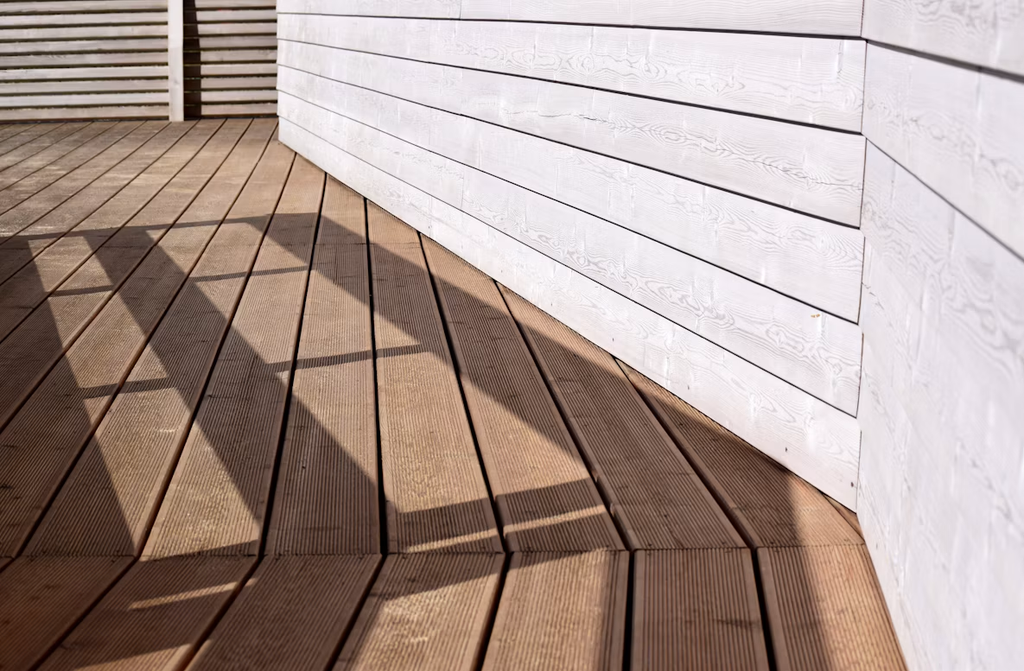
Photo by Chris Barbalis on Unsplash
Investing in certified timber creates a permanent outdoor space that handles harsh Northeastern weather while supporting sound forestry practices. Choosing durable, responsibly harvested hardwoods ensures your new deck or custom porch remains a stunning focal point for decades to come.