
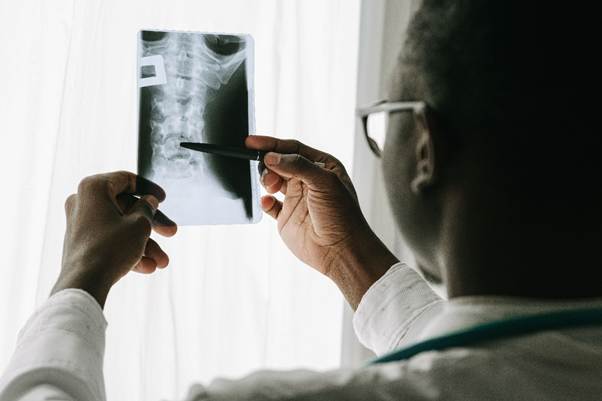
A herniated disc is one of the most common injuries associated with traumatic accidents. When excessive force places pressure on the spine, the soft inner portion of a spinal disc can push through its outer layer, causing pain, numbness, weakness, and other serious symptoms. While age-related wear and tear can contribute to disc problems, many herniated discs develop or worsen after sudden accidents that place significant stress on the neck or back.
Various types of accidents can result in a herniated disc, including car crashes, slip and fall incidents, workplace accidents, sports injuries, and other traumatic events. The severity of the injury often depends on the force involved and the area of the spine affected.
Understanding the causes of herniated cervical discs and other spinal disc injuries can help accident victims recognize potential symptoms and seek appropriate medical care.
How a Herniated Disc Occurs
The spine contains a series of discs that act as cushions between the vertebrae. Each disc has a tough outer layer and a softer inner center. When a sudden impact or excessive force causes the outer layer to tear or weaken, the inner material may protrude outward.
This condition can place pressure on nearby nerves, leading to symptoms such as:
- Neck or back pain
- Tingling sensations
- Numbness in the arms or legs
- Muscle weakness
- Reduced range of motion
Depending on the location of the injury, symptoms may affect different parts of the body.
Car Accidents
Motor vehicle collisions are among the leading causes of herniated disc injuries. During a crash, the body can be subjected to intense forces that cause the spine to move beyond its normal range of motion.
Rear-end collisions are particularly associated with neck injuries because the sudden back-and-forth movement can damage cervical discs. This motion, commonly known as whiplash, may contribute to disc herniation or aggravate an existing spinal condition.
Even low-speed crashes can generate enough force to cause significant spinal injuries.
Slip and Fall Accidents
Slip and fall accidents frequently result in back and neck injuries. When a person falls unexpectedly, the impact can place considerable stress on the spinal column.
Common scenarios include:
- Falling on wet floors
- Tripping over uneven surfaces
- Falling down stairs
- Losing balance on poorly maintained walkways
The force of the fall may cause a disc to rupture or worsen a previously undiagnosed condition.
Workplace Accidents
Many workplace environments expose employees to activities that increase the risk of spinal injuries.
Examples include:
- Heavy lifting
- Repetitive bending and twisting
- Falling from ladders
- Construction accidents
- Equipment-related incidents
Workers in physically demanding occupations often face a higher likelihood of suffering herniated disc injuries due to repeated strain or sudden trauma.
Sports and Recreational Injuries
Athletes and recreational participants can also suffer herniated discs during physical activity. Contact sports, high-impact activities, and accidents involving sudden movements may place excessive pressure on the spine.
Sports commonly associated with spinal injuries include:
- Football
- Wrestling
- Hockey
- Gymnastics
- Weightlifting
Improper technique, direct impacts, or falls can all contribute to disc damage.
Motorcycle and Bicycle Accidents
Motorcyclists and cyclists have less physical protection than occupants of passenger vehicles. As a result, accidents often involve direct impacts with the ground, other vehicles, or stationary objects.
These collisions can cause severe spinal trauma, including herniated discs, fractures, and nerve injuries. The risk is particularly high when riders are thrown from their vehicles during a crash.
The Importance of Medical Evaluation
Symptoms of a herniated disc do not always appear immediately after an accident. Some individuals experience pain or neurological symptoms days or even weeks later.
Prompt medical evaluation is important because early diagnosis can help prevent further complications. Healthcare providers may use physical examinations, MRI scans, or other imaging studies to determine the extent of the injury and recommend appropriate treatment.
Documenting medical care is also important when an accident-related injury leads to an insurance claim or legal dispute.
Legal Considerations Following an Accident
When a herniated disc results from another party’s negligence, the injured person may have the right to pursue compensation for medical expenses, lost wages, and other damages.
Many injury claims are based on negligence principles. For example, California Civil Code § 1714 generally provides that individuals may be held responsible for injuries caused by their lack of ordinary care. This legal principle often plays a role in personal injury cases involving accident-related spinal injuries.
Establishing a connection between the accident and the herniated disc typically requires medical evidence and documentation of the incident.
Key Takeaways
- Car accidents, slip and falls, workplace incidents, sports injuries, and motorcycle crashes can all result in a herniated disc.
- The causes of herniated cervical discs often include sudden trauma, forceful neck movements, and direct impacts.
- Herniated discs can cause pain, numbness, weakness, and other neurological symptoms.
- Some symptoms may not appear immediately, making prompt medical evaluation important after an accident.
- California Civil Code § 1714 is one example of a legal provision that may apply in negligence-based injury claims.
- Medical documentation and timely treatment can play an important role in both recovery and potential legal claims.