
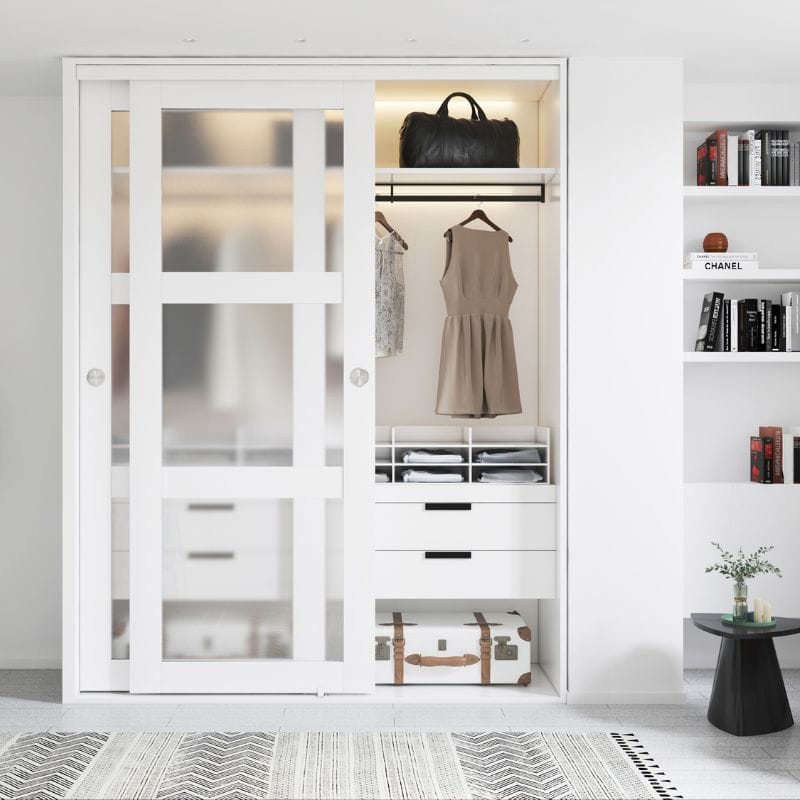
Doors affect how a home looks, feels, and functions every day. A good door should move smoothly, close securely, and suit the space around it. These results depend on more than the door panel. Tracks, rollers, hinges, handles, locks, guides, and soft-closing parts must work as one system.
Choosing hardware by appearance alone often leads to noise, poor alignment, or early failure. A better approach starts with the door type, expected use, required security, and installation conditions.
Start With the Door’s Function
Before comparing finishes or handle styles, define what the door must do. A bedroom door needs privacy and quiet operation. A main entrance needs stronger security and weather resistance. A wardrobe door should save space and remain easy to move. A utility room may require a lock but little decorative detail.
Ask these questions:
- Is the door interior or exterior?
- How often will it be used?
- Does it need privacy or high security?
- How heavy and wide is the panel?
- Is wall space available beside the opening?
- Will children, older adults, or people with limited mobility use it?
- Must it reduce sound, smoke, or drafts?
Clear answers prevent incompatible hardware choices later.
Select the Right Door Movement
Hinged doors are familiar and provide a tight closure, but they need swing space. Sliding doors move along a wall or into a pocket, making them useful in smaller rooms. Bypass systems allow two or more panels to slide past one another, while bifold doors reduce the space needed for opening.
The movement determines the hardware. Quality sliding door hardware systems include correctly rated tracks, hangers, rollers, floor guides, stops, and anti-jump devices. These parts should be selected as a tested set whenever possible.
For a sliding system, check:
- Maximum panel weight
- Suitable door thickness
- Track length
- Wall or ceiling mounting method
- Required clearance above the opening
- Corrosion resistance
- Cycle-test performance
- Availability of soft-close accessories
Using an undersized track may create sagging or unsafe movement. Oversized industrial hardware may work, but it can add unnecessary cost and visual weight.
Match Hardware to Door Weight
Door weight is one of the most important specifications. Solid wood, steel-framed glass, laminated panels, and hollow-core doors can differ greatly even when their dimensions are similar.
Rollers, hinges, pivots, and tracks must all carry the real weight of the finished panel, including glass, handles, and decorative layers. A safety margin is useful, but it should follow the hardware supplier’s guidance rather than guesswork.
Heavy doors also place more stress on the supporting wall or frame. Fasteners must reach suitable structural material. Fixing a heavy track only to thin wallboard is unsafe, even if the track itself has a high load rating.
Understand Lock Types
The lock should match the door and the level of protection required. A simple privacy latch may be enough for a bathroom. An exterior entrance may need a deadbolt or secure cylinder. Cabinets, office furniture, and storage compartments use smaller cam or cabinet locks.
A professional lock product range may include door locks, cylinder locks, padlocks, garage door locks, cabinet locks, and handles. These categories are not interchangeable. Each is designed for a different load, mounting method, and threat level.
Common residential options include:
- Latches for basic closing
- Privacy locks for bedrooms and bathrooms
- Keyed entry locks for exterior or restricted rooms
- Deadbolts for stronger resistance to forced entry
- Euro or profile cylinders for compatible mortise locks
- Cam locks for cabinets and drawers
- Padlocks for gates, sheds, and portable security
Security should be balanced with safe exit. People must be able to leave quickly during an emergency, so local building and fire rules always take priority.
Consider Sliding-Door Security
Sliding doors need special attention because their movement differs from hinged doors. A standard latch may not engage correctly. Purpose-built hook bolts, flush pulls, privacy locks, and floor or track locks are better suited to sliding panels.
For an exterior sliding door, security also depends on the frame, glazing, track design, and anti-lift protection. A strong lock cannot compensate for a panel that can be lifted out of its track.
Interior barn-style doors usually offer less sound control and privacy because they sit in front of the wall rather than inside a sealed frame. They can still use privacy locks, but the lock must allow for the gap between the panel and wall.
Choose Materials for the Environment
Interior hardware in a dry room has mild exposure. Bathroom, coastal, and exterior installations are more demanding. Humidity and salt can attack unprotected steel and cause staining, stiffness, or failure.
Stainless steel, protected carbon steel, brass, zinc alloy, aluminum, and engineered plastics are common materials. The finish matters as much as the base material. Powder coating, plating, galvanizing, and other treatments can improve corrosion resistance.
Do not assume every black or chrome finish has the same durability. Ask about material, coating process, and relevant corrosion tests.
Focus on Comfort and Noise
Good hardware should feel controlled. Soft-close devices slow the door near the end of its travel and reduce slamming. Quality rollers lower operating noise. Proper floor guides prevent swinging, while door stops protect walls and hardware.
Handle position also affects comfort. A handle should be easy to reach without placing fingers near a pinch point. Flush pulls are useful where a sliding panel moves into a pocket or passes another panel.
For homes with children, look for protected edges, stable guides, anti-jump parts, and locks that do not create accidental entrapment.
Plan Installation Before Ordering
Measure the opening, wall space, panel dimensions, and structural support before buying hardware. Check whether skirting boards, switches, vents, or furniture will block the door’s path.
Confirm the door preparation required for the lock. Mortise locks need accurate pockets. Cylinders require matching dimensions. Handles and pulls need correct hole spacing. Factory preparation can improve consistency when several doors use the same specification.
Installation should follow the manufacturer’s instructions. Tracks must be level, frames square, and fasteners properly tightened. After installation, adjust gaps and verify that the lock engages without forcing the door.
Maintain the Complete System
Inspect fasteners, rollers, hinges, guides, and locks at regular intervals. Remove dust from tracks and use only recommended lubricants. Oil that attracts dirt may make a sliding system worse.
If a door becomes difficult to close, find the cause before adjusting the lock. The problem may be a loose hinge, worn roller, moving frame, or uneven floor. Forcing the lock can hide the issue and damage both the lock and door.
Conclusion
The best door hardware is not simply the strongest or most expensive option. It is the system that matches the door’s weight, movement, location, and security needs.
Start with function, choose compatible movement hardware, then select a lock designed for that door type. When tracks, guides, handles, locks, and supports are specified together, the result is safer, quieter, and easier to use. Careful planning at the start also reduces adjustments and replacement costs later.