
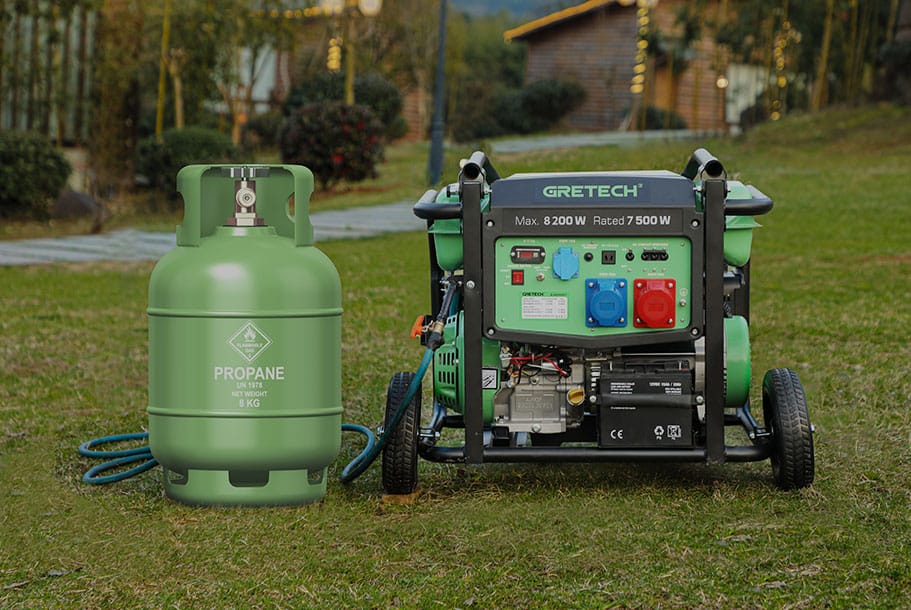
Power outages range from brief interruptions to multi-day failures. A generator can supply energy as long as fuel is available. Battery storage responds quickly, runs quietly, and can support selected loads without starting an engine.
Used together, these technologies can create a flexible backup system. However, successful integration requires careful load planning, compatible controls, and safe installation. It should never be assumed that any generator can connect directly to any battery system.
Start With Essential Loads
Do not begin by trying to back up every circuit. List the equipment that must continue operating.
Typical essential loads include:
- Refrigeration
- Lighting
- Internet and communications
- Security systems
- Pumps
- Medical equipment
- Heating controls
- Selected outlets
Record the running power and starting demand. Motors and compressors may need several times their normal power for a short period. The backup system must handle these peaks.
Energy is also important. Power, measured in kilowatts, shows how much can run at once. Energy, measured in kilowatt-hours, shows how long it can run.
Understand the Generator’s Role
Generators convert fuel into electricity. Petrol units are widely available, while LPG and natural-gas models may offer cleaner storage or connection to an existing fuel supply.
A hybrid generator range may support more than one fuel, giving users flexibility when one source is unavailable. Selection should consider:
- Rated continuous output
- Starting capacity
- Fuel type
- Fuel consumption
- Noise
- Emissions
- Start method
- Voltage and frequency
- Single- or three-phase supply
- Outdoor installation requirements
Portable generators and permanently installed standby generators have different connection and operating needs.
Understand the Battery’s Role
A battery energy storage system stores electricity from the grid, solar panels, or another approved source. An inverter converts the battery’s DC energy into AC power for household or commercial loads.
A residential energy storage solution may support backup operation, solar self-consumption, peak shifting, and hybrid arrangements that include a generator.
Battery systems can:
- Switch rapidly during an outage
- Power small loads efficiently
- Operate without local exhaust
- Reduce nighttime generator use
- Store solar energy
- Smooth short power interruptions
Runtime depends on usable battery capacity and load. A 10 kWh battery will not provide ten hours if the home continuously uses 2 kW after system losses.
Why Combine Both Systems?
A battery alone may not cover a long outage. A generator alone may be inefficient when only a few lights and electronics are running.
A hybrid strategy can use the battery for immediate response and lower loads. The generator starts when battery charge falls or demand increases. It can power loads and, where the system permits, recharge the battery. The generator then stops, allowing another quiet battery-only period.
Potential benefits include:
- Less generator runtime
- Lower fuel use
- Quieter nights
- Fewer engine start cycles
- Better use of solar power
- Fast transfer for sensitive loads
The actual result depends on correct controls and operating settings.
Confirm Electrical Compatibility
Compatibility must be verified by the system designer or manufacturer. Important factors include:
- Voltage
- Frequency
- Phase configuration
- Generator waveform quality
- Inverter input limits
- Neutral and grounding arrangement
- Charging current
- Transfer-switch design
- Protection coordination
Some inverter-chargers accept a generator input. Others do not. Some systems require dry-contact controls for automatic start. A small generator may become unstable if the battery charger suddenly demands high power.
Charging current may need to be limited so the generator can serve loads and charge the battery without overload.
Use Safe Transfer Equipment
Backup sources must not feed power back into the utility grid during an outage. Backfeed can injure workers and damage equipment.
An approved transfer switch or integrated backup interface separates the building from the grid before another source supplies it. The design may be automatic or manual.
Extension cords and portable connections must follow local rules. A generator should never be connected to a building by plugging it into an ordinary wall outlet.
Electrical work should be completed by qualified professionals under applicable codes and utility requirements.
Place Equipment Correctly
Generators produce exhaust gases, heat, and noise. They must operate outdoors in a suitable location, away from doors, windows, vents, and occupied spaces. Never run one in a garage, even with the door open.
Battery systems also have installation requirements. Check:
- Approved indoor or outdoor location
- Temperature range
- Clearance
- Water and dust protection
- Fire separation
- Ventilation
- Structural support
- Access for service
Battery chemistry and system certification affect safety requirements. Follow the manufacturer’s instructions rather than general assumptions.
Plan Fuel for Real Outages
Generator runtime depends on fuel supply and load. A large generator running lightly may consume more fuel than expected.
For petrol, consider safe storage limits and fuel aging. LPG cylinders need correct regulators and secure placement. Natural-gas systems depend on pipeline availability and pressure.
Estimate several outage scenarios:
- Two hours
- One day
- Three days
- A longer emergency
Decide which loads can be turned off as the outage continues. Load management often extends resilience more cheaply than adding equipment.
Add Solar Carefully
Solar panels can recharge batteries during daylight, but production changes with weather, season, roof angle, and shading. Nameplate capacity is not the same as daily energy.
During a grid outage, a standard grid-connected solar inverter may shut down unless it is designed to operate with the backup system. Confirm how solar, battery, generator, and grid controls interact.
The strongest system uses clear priorities. For example:
- Solar serves current loads.
- Extra solar charges the battery.
- The battery serves loads when solar is low.
- The generator starts at a defined battery level.
- Nonessential loads remain disconnected.
Set Controls Around User Needs
Automatic operation is convenient, but settings should reflect the site.
Useful controls include:
- Minimum battery state of charge
- Generator start and stop points
- Maximum charging current
- Quiet hours
- Load-shedding priorities
- Exercise schedule
- Remote alarms
Critical medical or safety loads may need dedicated circuits and additional redundancy. A home-office system may prioritize internet and computers.
Test and Maintain the System
Backup equipment should be tested before an emergency. Simulate a grid outage and verify transfer, load operation, generator starting, battery charging, and return to normal power.
Maintenance includes:
- Generator oil and filters
- Fuel condition
- Starter battery
- Cooling and ventilation
- Battery-system software and alarms
- Transfer switches
- Cable connections
- Safety labels
Keep operating instructions simple and accessible. Household members should know what they may operate and when to call a professional.
Conclusion
Generators and battery storage solve different backup-power problems. The battery provides fast, quiet energy. The generator provides longer-duration supply when fuel is available.
Together, they can reduce fuel use and improve resilience, but only when loads, controls, electrical compatibility, and safety are planned as one system. Define essential loads first, use approved transfer equipment, and verify integration with qualified professionals. A reliable backup system is designed around real needs, not just equipment size.