
If you run a shop, a garage, or a fleet maintenance operation, you deal with tires. A lot of tires. Changing tires by hand is slow, hard on your workers, and it limits how many vehicles you can service in a day. A tire changing machine solves all of those problems. It makes tire changes faster, easier, and safer. And it opens up more business because you can handle more vehicles.
Let’s talk about what a tire machine does, why it matters, and how it impacts your bottom line.
The Problem with Doing It the Hard Way
Before tire changing machines existed, people changed tires by hand. They used tire irons and a lot of muscle. It was slow. It was hard. It was risky. Workers could hurt their backs. They could pinch their fingers. A tire change that should take ten minutes took thirty minutes or more.
Then came tire machines. They changed everything.
A tire changing machine uses air pressure or hydraulic power to break the tire bead (separate the tire from the rim), and then it helps you remove the tire and install a new one. The machine does the hard work. Your worker guides it. The result is a tire change that takes five to ten minutes instead of thirty.
That speed difference matters when you’re running a business. If you can change a tire in five minutes instead of thirty, you can service six vehicles in the time it used to take to service one. That’s not a small difference. That’s the difference between running at capacity and being stuck with long wait times.
What a Tire Changing Machine Actually Does
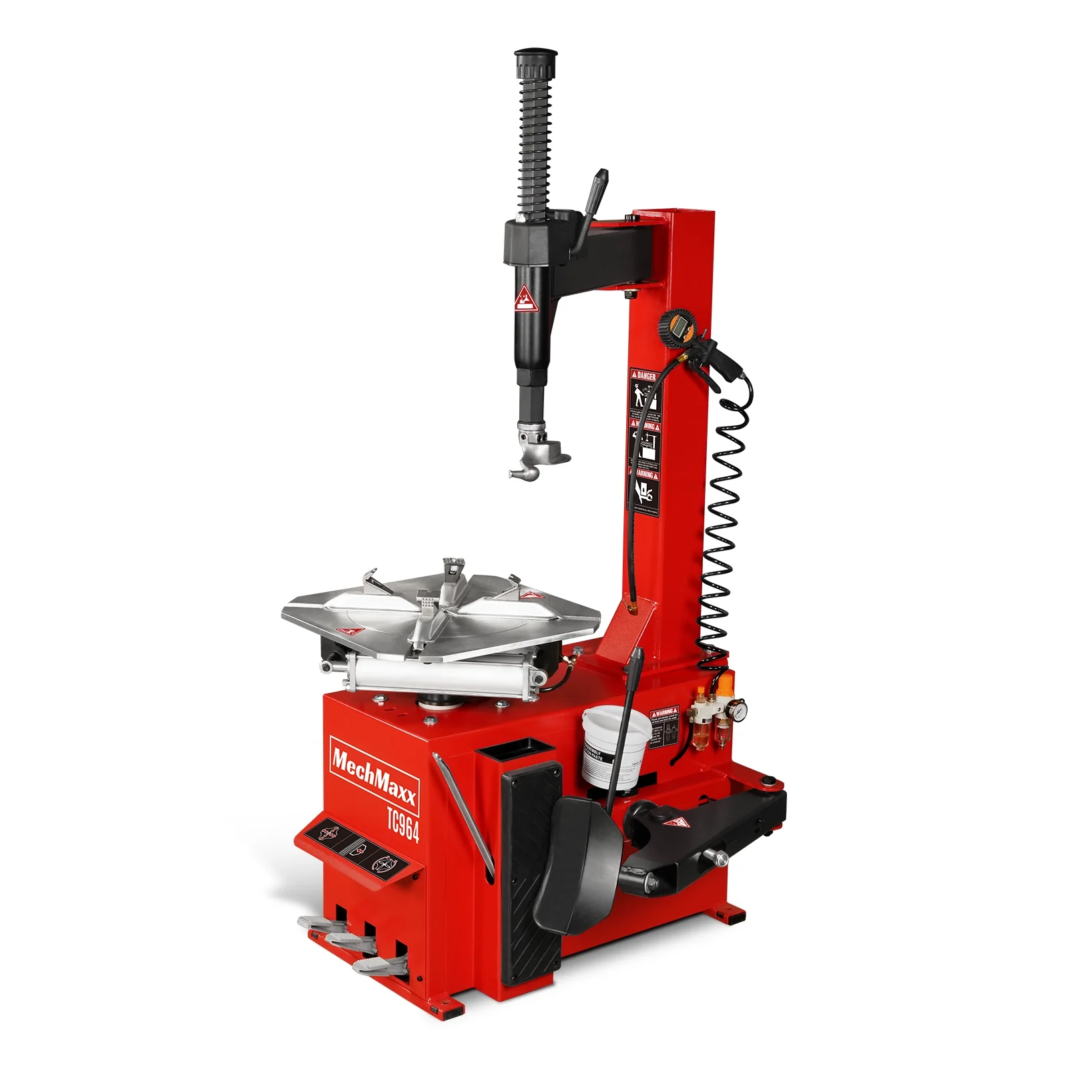
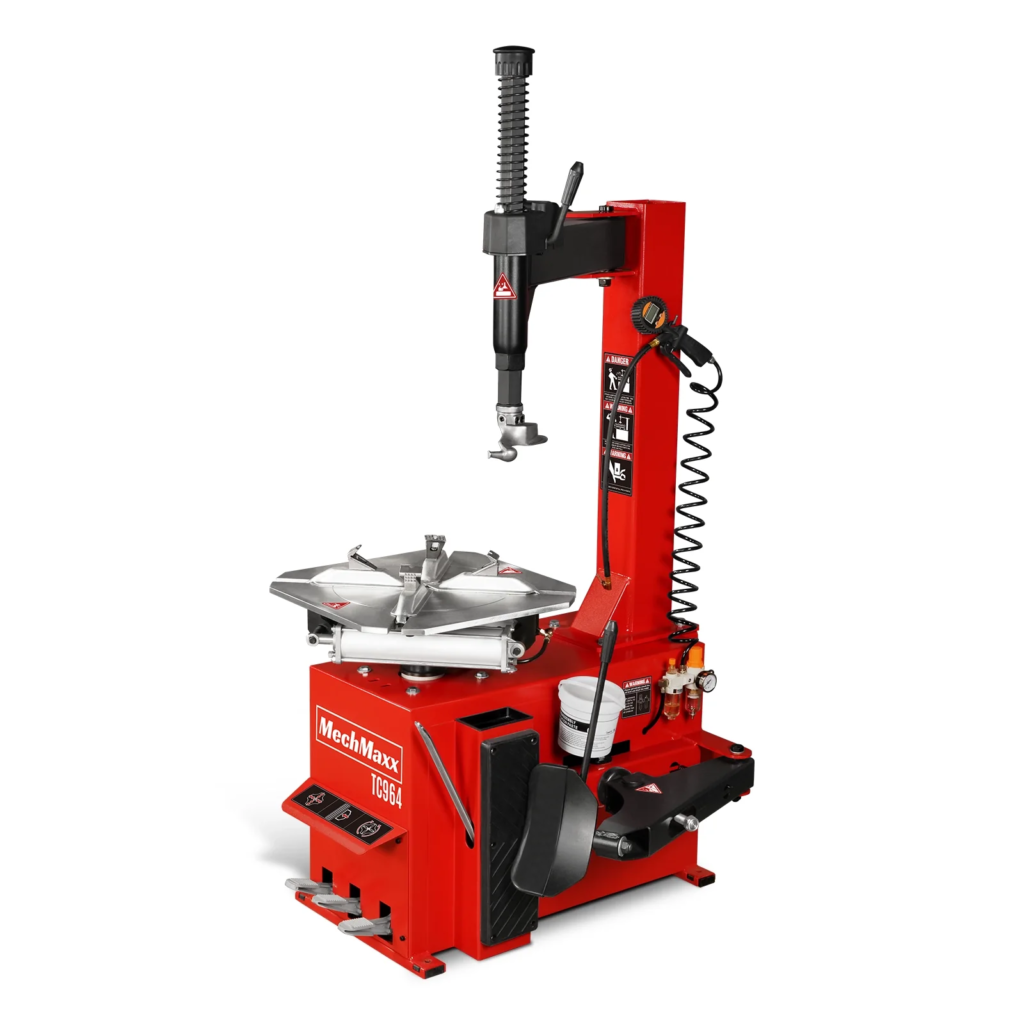
A modern tire machine has a few key parts. There’s a wheel clamp that holds the tire and rim in place. There’s a breaking bead arm that separates the tire from the rim all the way around. There’s a tire lever that helps lift the tire off the rim. And there’s a turntable that spins so you can access the whole tire without moving it yourself.
You mount the wheel on the machine. The machine breaks the bead. You use the lever to help slide the tire off. Then you clean the rim if needed. You put the new tire on and let the machine help you seat the bead. You inflate it. Done.
The whole process is smooth and safe. Workers don’t have to strain. They don’t have to use dangerous manual techniques. They just work with the machine, and the machine does most of the heavy lifting.
Manual Vs. Automatic Tire Changers
When you’re shopping for a tire machine, you’ll see options. Some machines are manual. You operate them mostly by hand and foot. You control when each step happens. Manual machines work well if you do a lower volume of tires. They’re less expensive. They take up less space.
Automatic tire changers do a lot more of the work for you. You put the wheel on, press a button, and the machine breaks the bead and does a lot of the tire removal work automatically. Automatic machines are faster and easier on workers, but they cost more and take up more floor space.
The choice depends on your volume and your budget. A small shop that changes five or six tires a day might do fine with a manual machine. A busy shop that changes fifty tires a day needs an automatic machine. The time savings justify the extra cost.
Why Shop Owners Invest in These
Let’s talk money. A tire changing machine costs between three thousand and eight thousand dollars depending on whether it’s manual or automatic. That’s real money. So shop owners think carefully before they buy.
But here’s what they see when they do the math. Right now, you can service maybe two or three vehicles per hour with tire work. With a tire machine, you can service maybe six or seven vehicles per hour. That’s double or triple the output. And you charge the same amount per tire.
So if you change thirty tires a week now, you can change sixty or ninety tires a week with a machine. At ten dollars per tire (just as an example), that’s an extra three hundred to six hundred dollars per week. That’s twelve hundred to twenty-four hundred dollars per month. A tire machine pays for itself in two to four months. After that, it’s pure extra income.
Beyond the money, there’s another benefit. Your workers are happier when they’re not doing backbreaking manual labor all day. They’re more productive. They make fewer mistakes. They stay with you longer. Those benefits don’t show up on a spreadsheet, but they matter a lot to the actual operation.
Different Types of Tire Machines
There are machines designed for different kinds of tires. Some are best for car tires. Some can handle truck tires and bigger. If you work on motorcycles or ATVs, you might want a smaller, more specialized machine.
Wheel alignment machines are different. They help you make sure the wheels are straight and the tracking is right. Some shops have both a tire changer and a wheel aligner because they solve different problems.
There are also tire balancers. After you change a tire, you need to balance it so it doesn’t vibrate. A balancer spins the wheel and tells you where to add weights. Many tire shops have both a tire changer and a tire balancer because customers expect balanced tires.
If you’re setting up a complete tire shop or adding tire services to your existing operation, think about what equipment you need. A tire changer is almost always first. A balancer is usually second. A wheel aligner is third if you do that kind of work.
Key Features to Look For
When you’re shopping for a tire machine, a few things matter.
Speed and Ease of Use. Some machines are faster than others. Some require more skill to operate. You want something your crew can use quickly without a lot of training. A good machine should feel intuitive to use.
Durability. You’re going to use this machine dozens of times every day. It needs to hold up. Look for machines made with quality parts and a solid frame. Read reviews from other shop owners. Ask about the warranty.
Footprint. How much space does it take up? Can it fit in your shop? Is it in the way of other work? Consider the layout of your space before you buy.
Wheel Size Range. Make sure the machine handles the sizes you work with most. Some machines do everything from small car wheels to big truck wheels. Others have limits. Know what you need.
Noise Level. Tire machines make noise. Some are louder than others. If you have a tight shop space or you’re around customers, noise matters.
Service and Support. Where do you buy it? Will they help you set it up? Can you get parts if something breaks? Don’t buy from someone you can’t talk to if you have a problem.
Making It Work in Your Shop
If you decide to get a tire machine, you need a good place for it. You need a solid, level floor. You need good lighting so workers can see what they’re doing. You need to position it so it doesn’t block the flow of the shop. You might need a compressor to power it if you don’t already have one.
Your crew needs to learn how to use it. Most machines come with instructions, but a few minutes of hands-on training makes a big difference. Show your people how to mount wheels correctly. Show them the foot pedals and controls. Show them the safe way to work around the machine. Within a few days, they’ll be changing tires faster than you ever thought possible.
The Real-World Impact
Here’s what actually happens when a tire shop gets a good tire machine. The owner stops losing customers because of wait times. The crew starts enjoying the work more because it’s easier. The business makes more money because they’re turning over more tires per day. Customers are happier because they get in and out faster.
It’s one of the best investments you can make if you do tire work. It changes the whole operation.
Getting Started
If you’re ready to add a tire machine to your shop or you’re starting a new tire service, look at what’s available. You want quality equipment from a reliable supplier.
Check out tire changer options at https://mechmaxx.com/collections/tire-changer. You’ll find machines for different needs and different budgets. They have equipment and people who know the business and can help you pick the right machine for your operation.
A tire changing machine is one of those tools that seems small until you start using it. Then you wonder how you ever did the work without it. That’s when you know you made the right decision.