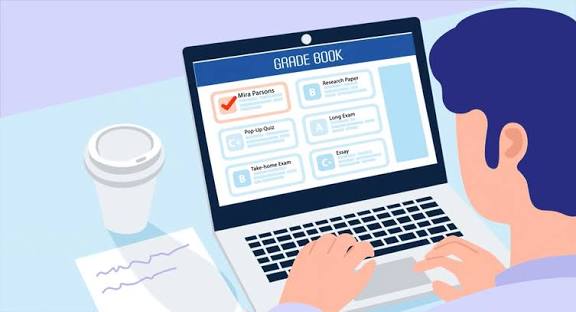
Accurate assessment guides course pacing, learner support, and final decisions about progress. Even skilled educators can misjudge performance when records are split across inboxes, paper notes, and separate spreadsheets. A gradebook within a learning platform brings scores, deadlines, comments, and participation data into one view. That shared record helps teaching teams compare evidence with less guesswork, while learners gain a clearer picture of how daily work shapes overall results.
Central Records
Scattered grading records often produce missing entries, duplicated marks, and conflicting versions of the same result. A well-structured LMS gradebook gives teams one place for scores, due dates, attendance, and written feedback. That matters because clean documentation supports fair review, reduces transcription slips, and lets instructors judge achievement using complete evidence rather than fragments pulled from several disconnected sources.
Fewer Manual Errors
Manual arithmetic can distort a final mark more than many teams expect. One mistyped score or misread formula may shift a learner into the wrong performance band. Automated calculations apply weighting rules, penalties, and category totals the same way each time. That consistency lowers preventable error rates and frees educators to focus on the quality of submitted work, rather than checking columns for basic math problems.
Faster Feedback
Timing affects accuracy because delayed feedback weakens the link between performance and correction. Learners act more effectively when comments arrive while the task remains fresh in memory. Gradebook tools speed that process by surfacing new submissions, marking incomplete work, and posting results quickly. Earlier review also helps instructors catch weak comprehension before repeated mistakes become a stable pattern across later assignments or tests.
Consistent Rubrics
Reliable scoring depends on shared criteria, especially in large courses or multi-instructor programs. Gradebook features can connect assignments with rubrics that describe expected performance at each level. That structure helps reviewers score essays, presentations, and practical tasks with closer agreement. Learners also benefit because they can see how marks were assigned, which reduces confusion and supports more informed revision before the next assessment point.
Better Progress Tracking
Single scores rarely tell the whole story of learning. A fuller picture comes from trends across attendance, completion, quiz results, and written assignments over time. Gradebook histories make those patterns easier to spot. Instructors can separate an isolated poor result from a sustained drop in performance. That broader view supports earlier intervention and limits quick judgments based on one difficult week or one missed task.
Stronger Attendance Links
Absence often affects later performance, but that connection can be missed when attendance lives in a separate record. Linking presence data with graded work helps teams interpret score changes with more care. A sudden decline may reflect missed instruction, reduced participation, or delayed submission rather than weak effort alone. That context supports fairer review and helps educators respond to the actual barrier affecting progress.
Clearer Audit Trails
Accurate assessment also depends on accountability. Gradebook audit trails show when a score changed, who made the update, and whether comments were revised later. Those records matter during learner appeals, moderation checks, and compliance reviews. They reduce uncertainty when several instructors share responsibility for one cohort. A visible history protects both learners and staff by showing how each decision was recorded and adjusted.
Useful Reporting
Raw scores become more useful when they are organized into patterns that teams can examine. Gradebook reports can reveal weak quiz items, uneven completion rates, or lessons that produce repeated misunderstandings. That evidence supports revising the course based on performance data rather than hunches. Program leaders can also review trends across groups, which helps with staffing decisions, remediation planning, and evaluation of instructional quality.
Support for Personal Review
Learners judge fairness partly by how clearly they can inspect their own records. Gradebook access supports those needs by showing scores, comments, overdue tasks, and missing submissions in one place. Clear visibility helps learners raise questions early, before confusion hardens into frustration. It also encourages stronger self-monitoring, because people can track how daily participation and assignment quality affect cumulative performance over the length of a course.
Conclusion
Gradebook features improve assessment accuracy by tightening record quality, reducing manual mistakes, and giving educators a stronger context for each decision. They support consistent scoring, quicker feedback, and clearer review of trends that shape long-term progress. Learners benefit as well, because transparent records make performance easier to interpret and question when needed. When evidence is organized in one dependable system, judgment becomes more precise, fair, and timely.