
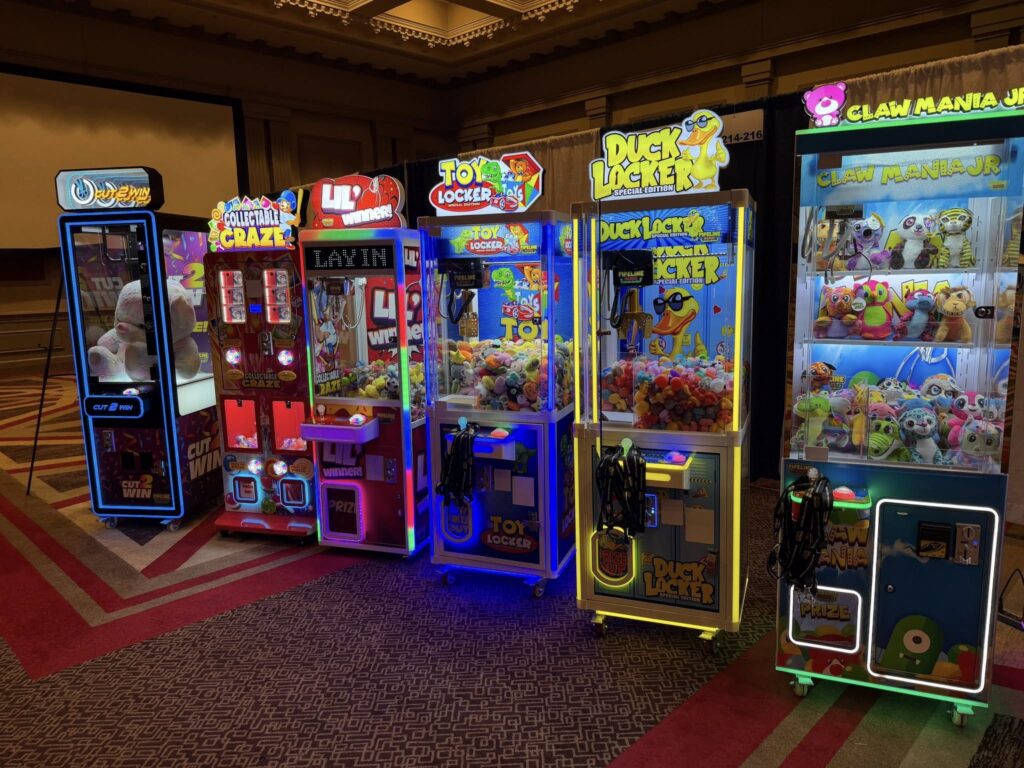
Arcade crane units no longer sit inside one familiar template. Operators now sort cabinets by prize shape, holding volume, payment setup, service access, and visual appeal. That shift reflects tighter floor planning, wider age appeal, and closer review of replay behavior. Current listings also show a broad cost spread, from entry pieces near $2,300 to premium units near $8,000, which makes clear how far this category has moved beyond the standard grab box.
More Than A Claw
Classic grab-and-drop play still matters, yet buyers now compare cabinet depth, shelf layout, refill speed, and card reader support before choosing equipment. Across current listings, smaller footprints appear beside larger showpieces, so an advanced crane machine game can serve cramped family centers, open midway floors, or high-volume redemption zones without forcing one operating model onto every venue. That wider spread signals a category shaped by function, not nostalgia.
Sized For Locations
Footprint now acts as a planning variable, not an afterthought. Compact cabinets suit tighter aisles, snack corners, and mixed-use rooms, where every square foot affects movement. Larger units create stronger sightlines and hold more stock, which helps in louder, busier venues. That range lets operators match cabinet scale with traffic density, restocking rhythm, and guest dwell time, while avoiding wasted area that weakens earnings per section.
Prize Mix Matters
Prize handling now drives cabinet choice as much as exterior styling. Some units suit plush because their wells allow lighter, bulkier stock to stay visible. Others work better for candy, boxed novelties, or rolled tickets that need cleaner dispensing. That distinction matters because prize type affects claw calibration, refill labor, perceived value, and how often staff must correct bunching, jams, or poorly presented merchandise during service rounds.
Revenue Signals
Pricing tiers suggest clear segmentation. Entry units start near $2,300, midrange options gather between roughly $2,800 and $3,800, while premium cabinets rise close to $8,000. Those brackets reflect distinct earning strategies.
Controls And Payouts
Payment systems have moved well past coin-only operation. Many current models support cashless play, which helps venues serve guests who carry cards instead of loose change. Operators also gain finer control over claw power, cycle timing, and win frequency. Those settings matter because payout balance affects session length, repeat attempts, prize cost recovery, and whether players leave feeling challenged rather than discouraged after several turns.
Weather And Placement
Placement options now extend beyond enclosed arcades. Waterproof or moisture-tolerant cabinets allow operation in boardwalk spaces, water attractions, and seasonal venues where humidity or splash exposure would shorten machine life. That broader placement range matters because environmental stress can damage wiring and fog displays and weaken moving parts. A cabinet built for harsher conditions helps operators protect uptime while keeping guest attention active across more earning zones.
Visual Design As Traffic
Cabinet design now works like floor signage. Bright lighting, clear prize windows, bold color treatment, and themed artwork can stop passersby before they even read the rules. That first glance matters in crowded venues where attention shifts quickly and choices compete from every angle. Strong front visibility supports trial play, encourages impulse decisions, and helps a machine communicate prize value without lengthy explanations from nearby staff.
Service And Uptime
Maintenance support has become part of the purchase calculation. Easy panel access, dependable electronics, and readily available replacement parts reduce the time a machine sits idle. That matters because even short outages interrupt revenue, frustrate regular players, and complicate staffing during busy hours. A cabinet that reopens quickly often performs better over time than one with flashier styling but slower repair cycles or harder-to-source components.
Why Operators Are Shifting
Arcades now want equipment that serves more than one audience or setting. One cabinet may suit children through plush, another may target adults with boxed prizes, while a third supports broad family traffic through candy or tickets. Specialty formats, dual compartments, and varied cabinet widths make that flexibility easier. The category has moved from a simple skill box into a location tool shaped by spacing, stocking math, and guest habits.
Conclusion
Modern crane machines show a clear departure from the old single-format assumption. Cabinet size, prize type, payment method, claw settings, weather tolerance, and repair access now shape buying decisions as much as visual charm. Current listings make that shift easy to see through varied models, price bands, and use cases. For arcade venues, the strongest choice depends less on memory and more on operational fit, steady uptime, and sound prize economics.