
The moving trucks are still rolling. Readers of this paper already know that. What’s less clear is where everyone’s actually going once the truck pulls out of the driveway.
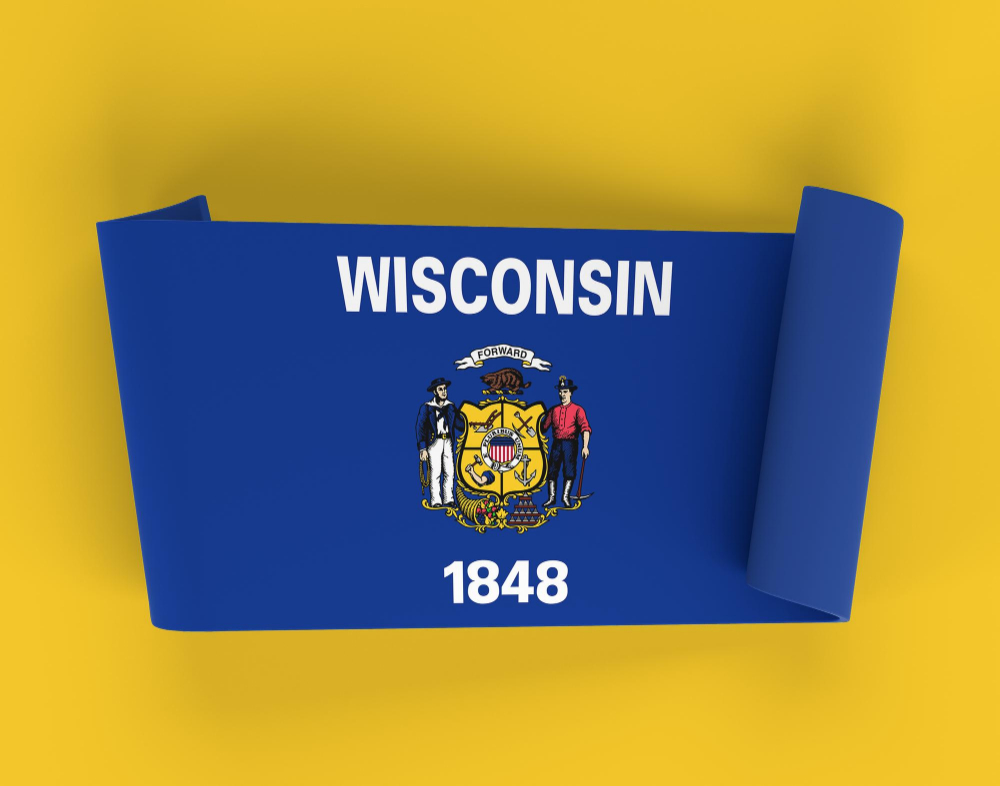
It’s not just Florida anymore. County planning data shows Westchester residents scattering across a wider map than the retiree-to-Tampa stereotype suggests, and the migration patterns tracked by Westchester County’s own planning department confirm the outflow is broad, not isolated to one or two sunbelt zip codes. Wisconsin shows up in that mix more than you’d expect. So does Tennessee. So does Texas.
The math behind the move isn’t complicated. A family in Eastchester paying New York’s top marginal rate watches a chunk of every paycheck disappear before rent, before groceries, before anything else. Recent reporting on the regional exodus puts a dollar figure on what the state loses every year in departing income, and it’s not a rounding error. It’s billions.
What gets lost in the headlines is the second half of the story: what do people actually find when they land somewhere else? That’s the part worth digging into.
What Movers Find When They Get There
Taxes are the headline. They’re rarely the whole picture.
States that attract outbound New Yorkers tend to share a broader pattern. Lighter income tax, sure. But also lighter-touch regulation across the board, from business licensing to occupational permitting to how fast a new industry gets a legal green light. Wisconsin fits this mold in an interesting way. Its legislature moved cautiously on sports betting, finally approving it through tribal compact negotiations back in April 2026, well behind states like New Jersey or Pennsylvania that legalized years earlier.
That caution extends further. Wisconsin still has no standalone online casino market. Newcomers assessing assessing Wisconsin online casinos will find a state that leans almost entirely on its tribal gaming framework rather than a licensed iCasino industry, the kind of patchwork regulatory approach that mirrors its broader fiscal conservatism. Slow doesn’t mean absent. It means the state picks its battles, and so far digital casino gaming hasn’t made the list.
That’s a small detail. But it tells you something about the character of these destination states. They’re not deregulated free-for-alls. They’re just choosier about where they spend political capital, and for a lot of transplants, that restraint reads as stability rather than neglect.
Responsible wagering still matters wherever you land, and residents relocating to states with looser gambling frameworks should keep that in mind regardless of what’s technically legal.
The Tax Gap, In Real Numbers
Here’s the uncomfortable part for anyone still in Westchester. New York’s state and local tax burden sits at or near the top nationally, and that’s not a partisan talking point. It’s been checked against independent data repeatedly and it keeps holding up.
Break down what that means at the household level. New York’s top income tax bracket runs well above most of the states receiving its former residents, and when you stack that against property tax bills in places like Scarsdale or White Plains, the annual gap between staying and leaving stops being abstract.
A lot of residents feel this even if they haven’t run the numbers. A recent poll found nearly two-thirds of New Yorkers now support eliminating the state income tax entirely (a striking reversal from where public opinion sat a decade ago). That’s not fringe sentiment anymore. That’s a majority.
None of this means Wisconsin is some tax-free paradise. It isn’t. But the gap is real enough that people are acting on it, truck by truck.
It’s Not Just About the Number on the Paycheck
Ask someone who’s actually made the move and the tax line is rarely the only thing they mention.
They’ll bring up permitting times. School board meetings that don’t turn into shouting matches. A DMV visit that takes forty minutes instead of four hours. These aren’t glamorous complaints, but they add up to a sense that government in the old state was simply bigger, slower, and more expensive to deal with at every turn.
Some of that is perception. Some of it is measurable. Either way, the destinations winning this migration war tend to share a political culture that treats restraint as a feature, not a failure. Wisconsin’s approach to gambling expansion is a small but telling data point in that larger pattern. So is its approach to business licensing, occupational boards, and a dozen other quieter regulatory levers that rarely make the news but shape daily life.
The local legislative dynamics in Westchester’s own district races show how contentious these policy fights can get even at the county level, which only sharpens the contrast when residents see a cleaner, quieter process play out somewhere else.
What This Means for Westchester
The exodus isn’t a one-year story. It’s a slow bleed that shows up in county planning data, in real estate listings that sit for a month instead of a weekend, in school enrollment numbers that inch downward in towns that used to have waiting lists.
Nobody’s saying Westchester empties out overnight. It won’t. The schools are still excellent. The commute to the city, frustrating as it is, still matters to a lot of families. But the destinations pulling people away are no longer just Florida and the Carolinas. They’re places like Wisconsin, states that combine a lighter tax bill with a government that moves at a different pace, for better or worse.
What happens next probably depends on Albany more than anyone in Madison or Austin. If the tax conversation in New York shifts (and that poll suggests it might have to), some of this outflow could slow. Until then, the trucks keep rolling, and the destinations keep diversifying.
Frequently Asked Questions
Why are so many Westchester residents leaving New York right now? High state and local taxes are the most commonly cited reason, combined with rising property costs and a sense that government services haven’t kept pace with the cost of living. County planning data backs up the trend with real migration numbers.
Which states are picking up the most former Westchester residents? Florida remains a top destination, but Wisconsin, Tennessee, Texas, and the Carolinas all show up meaningfully in the data, drawn largely by lower income tax rates and less regulatory friction overall.
Is New York’s tax burden actually the highest in the country? Independent fact-checks have repeatedly confirmed New York sits at or near the top nationally for combined state and local tax burden, which explains why it’s a recurring theme in relocation decisions.
Do lower-tax states always mean less regulation across the board? Not always, but there’s often a correlation. States like Wisconsin tend to move cautiously on new industries and licensing changes generally, which some residents read as fiscal discipline rather than inaction.
Will this migration trend reverse if New York changes its tax policy? Possibly. Recent polling shows growing public support among New Yorkers for cutting or eliminating state income tax, which could narrow the gap that’s currently driving people toward states like Wisconsin.