
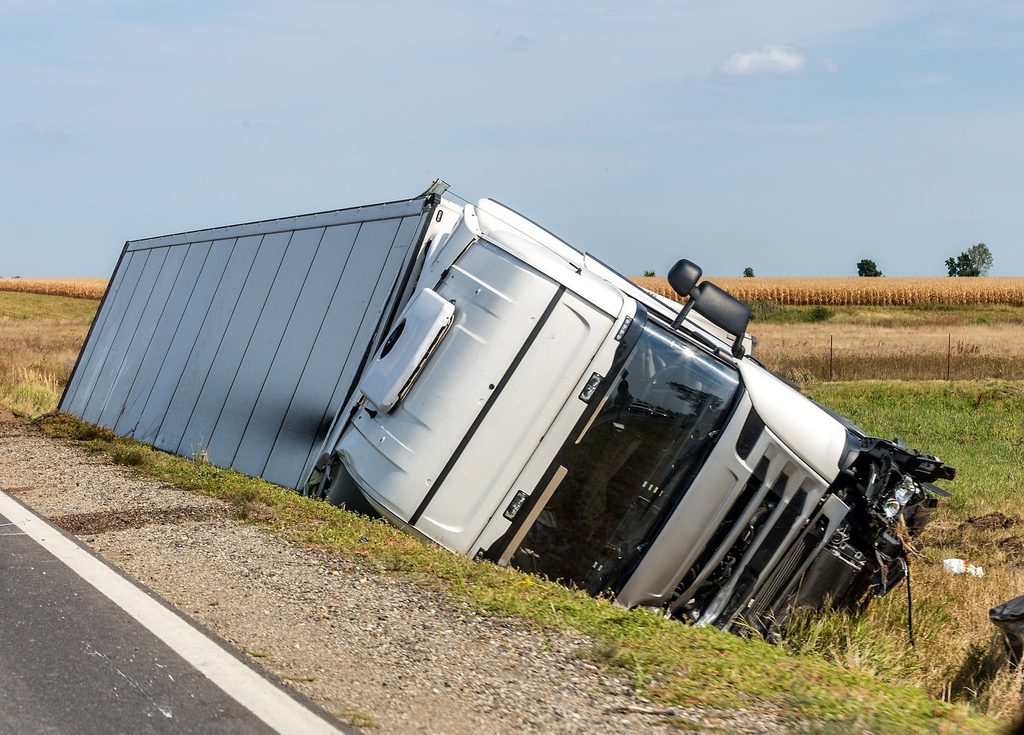
Truck crashes in Buffalo, NY, can leave victims facing serious injuries, financial losses, and questions about who was responsible. Determining what happened often requires more than comparing the drivers’ statements. Commercial trucks generate extensive evidence, including driver logs, inspection records, electronic vehicle data, maintenance files, cargo documents, and dispatch communications. Physical evidence can also provide important clues. Vehicle damage, skid marks, debris, road conditions, photographs, surveillance footage, and witness accounts may help establish how the collision occurred.
For people injured in a truck collision, reviewing this information can help identify whether responsibility may involve the driver, trucking company, maintenance provider, cargo loader, or another party. Because some evidence can disappear or change quickly after a crash, prompt investigation and preservation are important. A thorough evidence review can also help connect the collision to medical expenses, lost income, property damage, and other losses while providing a clearer foundation for pursuing a legal claim.
Why Truck Crash Evidence Differs
A truck collision involves more than the drivers’ statements. Investigators examine the truck’s size, weight, stopping distance, blind spots, cargo placement, and travel speed. They also review road conditions, traffic signals, weather, photographs, and damage patterns. The Steve Foley Law Firm Buffalo truck accident attorneys can review the available evidence after a collision and identify parties that could bear responsibility.
A truck driver, trucking company, maintenance contractor, cargo loader, or vehicle manufacturer could have contributed to the crash. That review helps preserve relevant records, compare accounts with physical facts, and present a clear claim for medical costs, lost income, property damage, and pain and suffering.
Records That Can Clarify What Happened
Truck investigation procedure follows a unique approach. Electronic logging data can show whether a driver followed hours-of-service requirements. Dispatch records, delivery schedules, fuel receipts, and communication logs can also establish the driver’s route, breaks, and work demands before the crash.
Many commercial trucks contain electronic control modules that record information about speed, braking, engine activity, and other vehicle functions. Investigators must request this data promptly because trucking companies often control access. A preservation request can help prevent the loss or alteration of relevant records.
Maintenance files can reveal whether the company inspected and repaired the truck properly. They can document worn tires, brake defects, steering problems, lighting failures, or recurring repair issues. Inspection records also show whether someone identified a defect before the collision.
Cargo records matter when a load shifts, spills, or changes the truck’s balance. A loading error can affect steering, braking, and rollover risk. Bills of lading, weight documents, loading photographs, and employee statements can help establish who handled the cargo.
Physical Evidence and Witness Accounts
The vehicles can provide evidence about the direction, force, and sequence of impacts. Photographs should capture vehicle damage, skid marks, debris, road markings, traffic controls, and nearby cameras. Accident reconstruction specialists can use those details to test competing explanations.
Witnesses can describe lane movements, following distance, sudden braking, unsafe turns, or driver behavior before impact. Their accounts become more useful when investigators record contact information and statements soon after the crash. Surveillance footage also requires quick action because businesses and public agencies often overwrite recordings.
Medical records connect the collision to specific injuries such as head injuries, ankle sprains, bleeding and treatment needs. Prompt medical care creates a documented timeline and gives doctors information about the crash mechanism. Records can include emergency treatment, imaging, surgery, rehabilitation, medication, and work restrictions.
How Evidence Affects Liability
A truck company can be responsible if it hired an unqualified driver, ignored unsafe conduct, or failed to maintain its vehicle. The driver may be responsible for distraction, impairment, fatigue, speeding, unsafe lane changes, or poor vehicle control. Other parties can enter the claim when cargo loading or mechanical work caused the danger.
New York’s no-fault system generally addresses economic losses through personal injury protection coverage after a vehicle crash. A serious injury claim can involve additional compensation, including pain and suffering, when legal requirements are met. The evidence must support both liability and the nature of the injuries.
Steps After a Buffalo Truck Crash
An injured person should seek medical care, report the collision, and preserve photographs, bills, employment records, and insurance communications. Avoid giving a recorded statement before reviewing the facts with a qualified attorney. Do not repair or discard damaged personal property before documenting it.
The claim also requires attention to filing deadlines. New York generally provides three years for many personal injury lawsuits, but exceptions can shorten that period. A prompt evidence review gives investigators more time to obtain records, locate witnesses, and assess all possible defendants.
Conclusion
Truck crash claims depend on evidence that often sits with trucking companies, drivers, repair providers, and cargo handlers. Medical records establish injury, while vehicle data, maintenance files, cargo documents, photographs, and witness accounts help explain fault. Anyone injured in a Buffalo truck collision should photograph the scene when safe, obtain medical care, save every related document, and seek legal advice promptly. Those steps protect important information before records disappear or damage conditions change.