
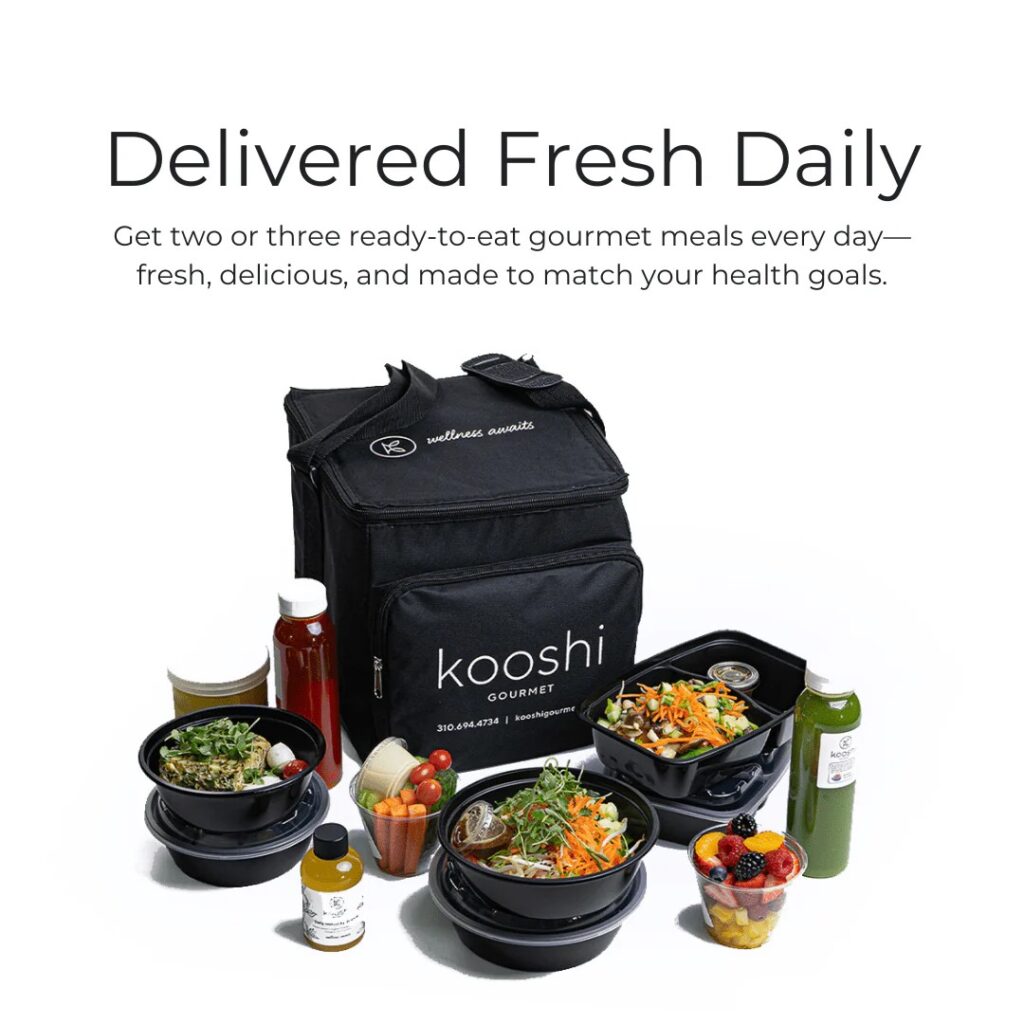
Vegan eating has come a long way from plates of raw vegetables and undressed greens. Today, millions of people follow plant-based diets for health, ethical, or environmental reasons, and their standards for food delivery have shifted accordingly. A service that limits its menu to salads and grain bowls does not meet the actual needs of its subscribers. The real conversation is about what genuine quality looks like in a plant-based meal delivery experience.
More Than Greens on a Plate
Variety remains the most consistent gap across plant-based delivery menus. People want cuisines that span different culinary traditions, not just the same Mediterranean or Asian-inspired bowls cycling through every week.
Customers exploring vegan meal delivery services expect diverse formats such as hearty curries, slow-cooked stews, stuffed pastas, and protein-forward plates that leave them genuinely satisfied. Any service worth keeping should rotate its offerings regularly and treat plant-based cooking as the full, serious culinary category it has become.
Protein That Goes Beyond Tofu
Multiple Protein Sources
One recurring frustration with vegan meal kits is an over-reliance on tofu and chickpeas. Dozens of plant proteins are widely available and underused. Tempeh, seitan, edamame, lentils, black beans, and hemp seeds each bring distinct textures and nutritional value to a meal. A well-built service rotates through these ingredients rather than defaulting to the same familiar two or three every single week.
Meaningful Macronutrient Balance
Calorie counts alone do not make a meal nutritionally complete. Plant-based diets require careful attention to protein, iron, zinc, omega-3 fatty acids, and vitamin B12. Research from the Academy of Nutrition and Dietetics confirms that properly planned vegan diets can meet all nutritional requirements. Meal services should build menus with these targets in mind rather than leaving subscribers to fill the gaps through supplements on their own.
Preparation That Respects Real Kitchens
Clear, Practical Instructions
Recipe cards should be designed for standard home kitchens, not commercial cooking environments. Steps need to be logical, sequential, and free of unnecessary complexity. Cooking times should reflect reality. Any prep work such as soaking, marinating, or chopping should be genuinely manageable on a busy weeknight.
Honest Skill Labeling
Not every subscriber walks in with strong cooking experience. Labeling meals by difficulty level lets people choose recipes they can complete with confidence. A beginner-friendly designation prevents early frustration. A more technically demanding option gives experienced cooks something to engage with.
Packaging and Sourcing Standards
Sustainability is a reasonable expectation from any service built around plant-based values. Wrapping each individual ingredient in single-use plastic sits poorly with the principles most vegan customers hold. Compostable or recyclable materials should be the standard wherever feasible. Sourcing ingredients seasonally and regionally also improves freshness while reducing unnecessary environmental impact.
Transparency reinforces trust. Customers want to know where their produce originates, whether it carries organic certification, and how far it traveled to reach the box. A clear, direct sourcing statement on the website or included in the packaging addresses those questions before they become doubts.
Customization Without Constant Friction
Dietary Overlap Options
A significant portion of vegan subscribers also avoid gluten, soy, or tree nuts. Strong services account for these overlaps with clean, functional filtering. Customers should not have to scan through full ingredient lists every week just to confirm a meal is safe for their household.
Portion Flexibility
Households come in every size. A solo diner, a couple, and a family of four all have different needs. Offering two, four, and six-serving tiers without steep pricing penalties signals that a service respects the full range of people it serves.
Conclusion
Plant-based meal delivery holds real promise for changing how people approach home cooking. Reaching that potential takes more than packing vegetables into a box. Protein variety, nutritional completeness, honest meal labeling, responsible packaging, and practical customization are the markers that separate a service people forget from one they genuinely rely on. Subscribers in this space are informed, intentional, and growing in number. The services that meet their actual needs are the ones that will earn lasting loyalty.