
The chicken category is one of the most crowded, competitive, and consistently profitable segments in the restaurant franchise world. From quick-service classics to fast-casual newcomers, chicken concepts continue to multiply because the product itself is versatile, widely loved, and relatively easy to scale. For someone considering their first franchise investment, chicken brands can look like a safe bet simply because the demand for chicken never seems to go away. But popularity does not automatically mean profitability, and first-time buyers need to understand the nuances of this category before signing a franchise agreement.
This guide walks through what makes the chicken franchise category unique, what to evaluate before buying in, and the questions every prospective owner should be asking.
Why the Chicken Category Attracts So Many First-Time Buyers
Chicken is one of the few proteins that appeals across nearly every demographic, dietary preference, and price point. It can be fried, grilled, baked, or shredded into endless menu formats, which gives chicken-focused brands flexibility that other categories, like burgers or pizza, do not always have. This flexibility is part of why so many new franchise concepts choose chicken as their foundation.
For first-time buyers, the appeal often comes down to a few consistent factors. Chicken has broad consumer demand that holds up during economic downturns, since it is generally viewed as an affordable protein. The ingredient itself is familiar, so there is less need to educate customers on what they are buying, unlike a niche cuisine concept. Many chicken franchises also have simplified kitchen operations compared to full-service restaurants, which can reduce staffing complexity and training time.
These advantages are real, but they are also the reason competition in this space is so intense. Nearly every franchisor in the category is making a similar pitch, so buyers need to look past the surface-level appeal and dig into the specifics of each brand.
Understanding the Different Types of Chicken Franchises
Not all chicken franchises operate the same way, and first-time buyers should understand the major subcategories before comparing specific brands.
Fried chicken concepts remain the most recognizable segment, built around bone-in pieces, tenders, or sandwiches cooked in a fryer. These require more rigorous food safety training and often have higher equipment costs due to fryer systems and ventilation requirements.
Grilled and healthier-positioned chicken brands have grown steadily as consumers look for protein-forward meals without the heaviness of fried food. These concepts often market themselves around bowls, wraps, or customizable plates.
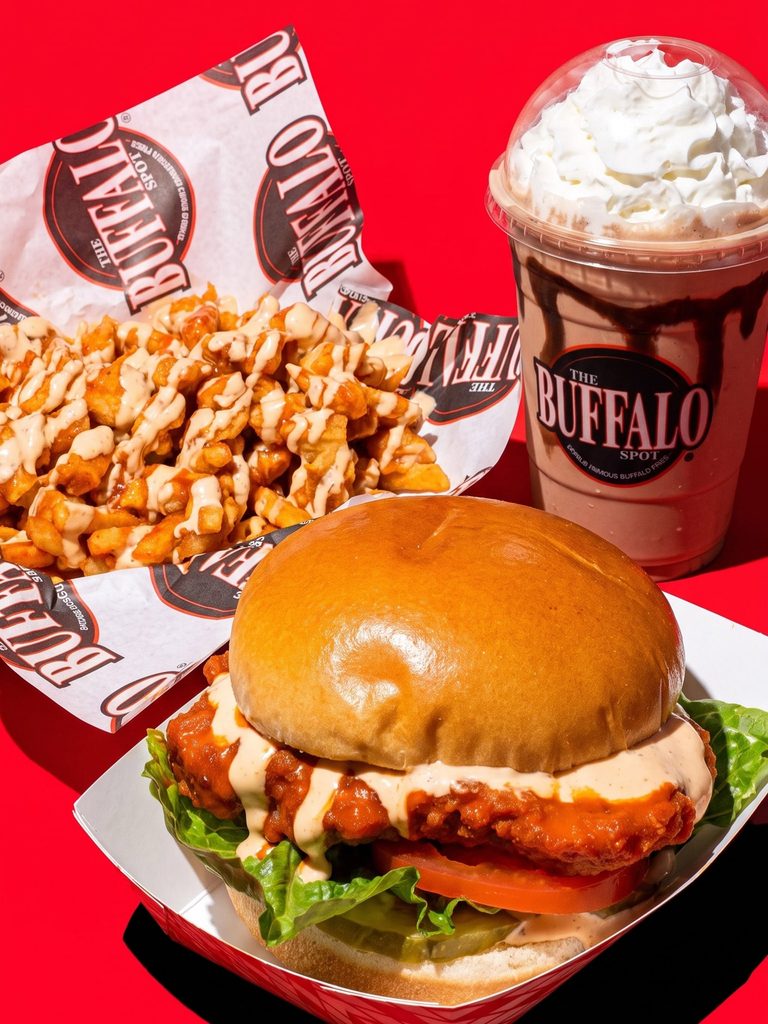
Chicken sandwich concepts have exploded in popularity over the last several years, largely because the format is easy to standardize, transport, and market. A sandwich-focused menu can also simplify kitchen workflow compared to a full board of fried chicken pieces, sides, and biscuits.
Wing-centric concepts cater to a different occasion entirely, often leaning into sports viewing, late-night dining, and delivery-heavy sales. These brands may have different staffing patterns, with heavier weekend and evening demand.
Each of these subcategories has different cost structures, customer expectations, and operational demands. A first-time buyer should not assume that because they love chicken, any chicken franchise is a good fit. The subcategory matters just as much as the brand name.
Evaluating Franchise Costs in the Chicken Category
Initial investment ranges vary widely depending on the brand, the real estate format, and the region. Smaller footprint concepts, such as those built around sandwiches or quick pickup formats, can sometimes have lower buildout costs than full dine-in restaurants with fryers, ventilation systems, and larger kitchen footprints.
When reviewing the Franchise Disclosure Document, prospective buyers should pay close attention to a few cost categories that tend to be underestimated. Equipment costs can be high in fried chicken concepts because of fryer systems, hoods, and fire suppression requirements. Build-out costs vary depending on whether the brand requires a specific design package, drive-thru infrastructure, or dedicated prep space. Royalty and marketing fees are typically a percentage of gross sales, and these recurring costs should be factored into long-term profitability projections, not just the upfront investment.
It is also worth comparing the total investment range listed in Item 7 of the FDD against the average unit volume reported in Item 19, if the franchisor provides that information. A brand with a high investment cost but modest average unit sales may present a longer path to profitability than a brand with a lower investment and stronger same-store performance.
Supply Chain Considerations Unique to Chicken
One factor that often surprises first-time franchise buyers is how much chicken pricing can fluctuate. Poultry commodity prices are affected by feed costs, disease outbreaks, weather events, and shifts in global demand. A franchisee entering the category should understand how the franchisor manages this volatility.
Some franchisors negotiate national supply contracts that lock in pricing for extended periods, which can protect franchisees from short-term price spikes. Others operate with more regional or independent sourcing, which may expose individual locations to more price variability. Understanding which model a brand uses is an important part of evaluating long-term cost predictability.
Buyers should also ask about supply chain resilience. Has the brand experienced shortages in the past, and if so, how did it respond? A franchisor with established relationships with multiple poultry suppliers is generally in a stronger position to manage disruptions than one reliant on a single source.
Operational Demands First-Time Owners Should Expect
Chicken restaurants, particularly those involving fried products, tend to have more demanding back-of-house operations than some other quick-service categories. Fryers require regular maintenance, oil management, and strict temperature monitoring. Staff need training not just on food preparation but on safety protocols around hot oil and equipment.
Labor scheduling can also be more complex in chicken concepts that experience sharp peaks, such as lunch rushes, weekend wing orders, or drive-thru surges tied to sports events. New owners should ask franchisors for realistic labor cost percentages and peak staffing models rather than relying on general industry assumptions.
Food waste is another operational factor that deserves attention. Chicken, especially bone-in products, can have higher waste percentages than more easily portioned proteins if demand forecasting is not managed carefully. Franchisors with strong inventory management systems and ordering guidance can help reduce this risk, but it still requires active attention from the owner.
Brand Differentiation in a Saturated Market
Because so many chicken franchises exist, first-time buyers need to assess how a specific brand differentiates itself. This differentiation might come from a signature flavor profile, a specific cooking method, a strong digital ordering platform, or a loyal regional following that predates national expansion.
It is worth researching how a brand positions itself against competitors in the same subcategory. A fried chicken sandwich brand competing in a market already saturated with similar concepts will face a different growth trajectory than one entering a market with limited chicken sandwich options. Buyers should look closely at the franchisor’s expansion strategy and ask whether they have identified underserved markets or are simply trying to compete head-on in oversaturated ones.
Brand reputation also matters more in chicken than in some other categories because customer loyalty in this space tends to be strong but also easily lost. A few negative reviews about inconsistent quality or long wait times can meaningfully affect a location’s reputation in a community where several other chicken options exist within a short drive.
Talking to Existing Franchisees Before Buying In
No amount of marketing material or FDD review substitutes for direct conversations with current franchisees. First-time buyers should request a list of current and former franchisees, which is required disclosure in Item 20 of the FDD, and reach out to several of them directly.
Helpful questions to ask existing owners include how accurate the initial investment estimates turned out to be, how the franchisor has handled commodity price increases, what ongoing support looks like once the location is open, and whether they would make the same decision to buy into the brand again.
Patterns matter more than individual opinions. If multiple franchisees mention the same concern, whether it relates to supply costs, marketing support, or corporate communication, that pattern deserves serious consideration before moving forward.
Location and Market Fit
Chicken franchises can perform very differently depending on the market. A brand that thrives in suburban markets with strong drive-thru traffic may not perform the same way in a dense urban setting built around foot traffic and delivery orders. First-time buyers should evaluate whether the brand’s typical store format matches the type of real estate available in their target market.
Franchisors often provide demographic guidelines for ideal locations, including population density, income levels, and traffic counts. These guidelines exist because they reflect patterns from existing locations, and buyers should take them seriously rather than assuming a favorite personal location will automatically succeed.
Competitive density is another important factor. A market already saturated with multiple chicken sandwich or fried chicken options may make it harder for a new location to capture market share, even if the brand itself is strong nationally.
Financing and Realistic Profitability Expectations
First-time franchise buyers sometimes underestimate how long it takes to reach profitability, particularly in categories with higher upfront equipment costs like chicken concepts that require fryers and ventilation systems. It is important to build a financial model that accounts for the full ramp-up period, not just the opening months.
Buyers should also factor in working capital needs beyond the initial investment. Many new owners underestimate costs related to initial inventory, staff training before opening, and marketing during the critical first few months when a location is building local awareness.
Lenders and franchisors can provide average unit volume data, but buyers should treat these figures as averages, not guarantees. A conservative financial model, one that plans for performance below the stated average, provides a more realistic cushion for the early stages of ownership.
Frequently Asked Questions
Is the chicken franchise category a good choice for first-time owners?
It can be, especially for owners who understand the operational demands of fryer-based kitchens and are comfortable managing supply chain fluctuations tied to poultry pricing. Success depends more on brand fit and market research than on the category alone.
How much does it typically cost to open a chicken franchise?
Costs vary significantly by brand and format. Smaller sandwich-focused concepts may have lower buildout costs, while full fried chicken restaurants with drive-thrus and larger kitchens tend to require more investment. Reviewing Item 7 of the FDD for each specific brand is the best way to get accurate figures.
Why does chicken pricing fluctuate so much?
Poultry prices are sensitive to feed costs, disease outbreaks, weather conditions, and shifts in global demand. Franchise buyers should ask how the franchisor manages sourcing and whether they negotiate fixed-term supply contracts.
What should I look for when comparing chicken franchise brands?
A few areas deserve close attention:
- Initial investment range compared to average unit sales
- Supply chain structure and pricing stability
- Franchisee satisfaction based on Item 20 contacts
- Brand differentiation within the local market
- Operational complexity, especially around fryer equipment and staffing
How long does it usually take for a chicken franchise to become profitable?
Timelines vary by brand and market, but equipment-heavy concepts often take longer to reach profitability than simpler formats. Building a financial model based on conservative estimates, rather than best-case averages, is recommended.
Should I talk to current franchisees before signing an agreement?
Yes. Direct conversations with existing owners often reveal details that are not fully captured in marketing materials or disclosure documents, particularly around day-to-day operations and ongoing franchisor support.
Final Thoughts for First-Time Buyers
The chicken category offers real opportunity, but it is not a one-size-fits-all investment. Success depends on choosing a brand with a clear market position, a stable supply chain strategy, and realistic financial projections. First-time buyers who take the time to compare subcategories, review disclosure documents carefully, and speak directly with existing franchisees will be far better positioned to make a confident, informed decision in this competitive but rewarding segment of the restaurant industry.