
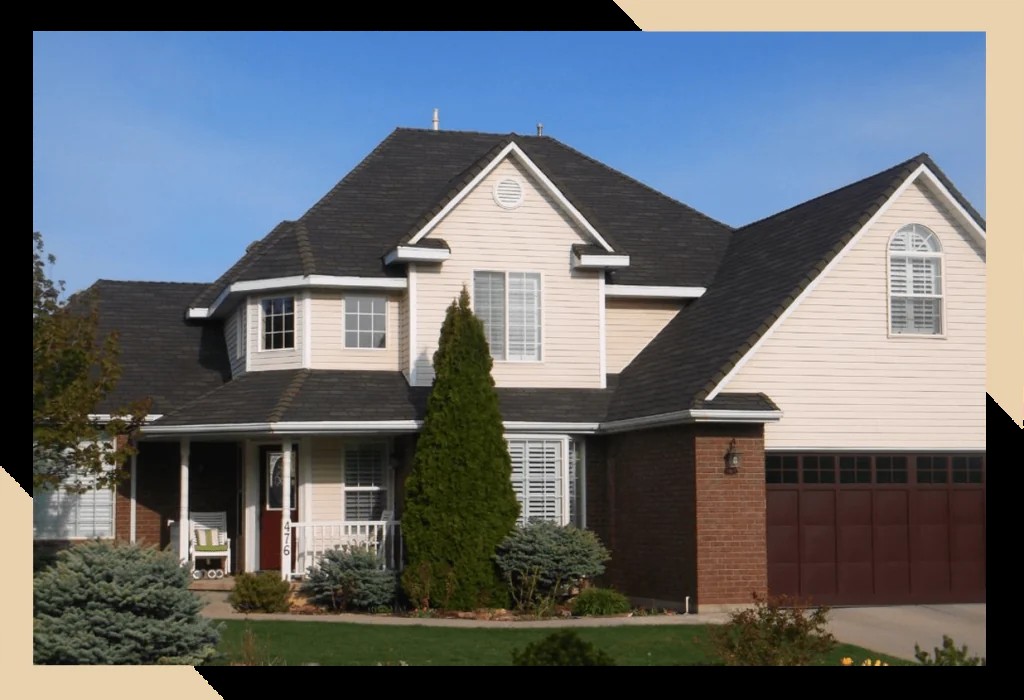
Roughly three out of four American homes wear the same thing on top: asphalt shingles. That statistic alone should tell you something. It’s not marketing, and it’s not a conspiracy among roofers. It’s a product that wins on price, choice, and sheer availability, and it keeps winning decade after decade.
But if you live in southern Utah, the story gets more interesting. The same shingles that cruise through a few decades in Ohio can get chewed up fast under a St. George summer. So let’s talk about why asphalt dominates, where it stumbles, and how to buy a shingle roof that survives the heat instead of surrendering to it.
If you’re already past the research phase and just want a contractor who knows this terrain, asphalt roofing in St. George shops like Stout Roofing handle the install, and they’ve had generations to learn what the local sun does to a roof. Still, it’s worth understanding the logic before anyone climbs a ladder.
What actually keeps asphalt shingles on top
Three things, and none of them are glamorous. Cost, flexibility, and supply.
Asphalt is the budget-friendly lane of pitched roofing. You get a respectable look at a price that doesn’t make you wince when you open the estimate. Fiberglass and rubber options sit nearby on the price ladder, and all of them beat tile or metal on the upfront number. Whether that matters to you depends on how long you plan to stay in the house, and I’ll get to that.
The variety is the quiet hero. Dozens of suppliers push out styles, colors, and profiles, which means you’re rarely stuck with one shade of gray that makes you hate your own curb appeal. You can match a neighborhood, chase a trend, or pick something that hides the dust that settles on desert roofs.
Life expectancy lands somewhere between about 20 and 50 years depending on the rating, and most manufacturers back composition roofs with a warranty. That range is wide for a reason. The rating on the package matters far more than the brand logo, and the install quality matters more than both.
A shingle is a promise. The deck underneath and the crew installing it decide whether that promise gets kept.
Why desert heat rewrites the rulebook
Here’s where I’ll take a side. Buying the cheapest shingle in the Phoenix or St. George climate is a losing bet, even though it’s the most common one homeowners make.
UV exposure is relentless, and the daily swing from a scorching afternoon to a cool night puts every material through a slow flex cycle. Asphalt doesn’t love that dance. Cheap shingles crack, curl, and lose granules early. The granules are the armor, and once they’re gone, the asphalt underneath bakes. I’ve watched roofs that should have hit 25 years start failing in half that time because someone saved a few hundred dollars at purchase.
Then there’s the monsoon season. Wind-driven rain finds every lifted edge and every nail set too high. According to NOAA, severe thunderstorm and monsoon patterns drive intense, short bursts of rain across the Southwest, and a roof that handles a gentle drizzle can still leak under a wall of water hitting sideways.
So the shingle wasn’t the problem. The spec and the install were.
The Shingle Decision Ledger
Here’s a framework I use whenever someone asks how to shop for a shingle roof. I call it the Shingle Decision Ledger, and it’s four columns you fill in before you sign anything.
| Column | What you’re answering | Why it matters in the desert |
| Rating | What wind and impact rating does this shingle carry? | Higher ratings mean better odds against monsoon gusts and debris |
| Color | How light is the shade? | Lighter shingles reflect more heat and ease attic load |
| Ventilation | Does the attic breathe? | Trapped heat cooks shingles from below |
| Installer | Who’s on the roof and what’s under the shingle? | Underlayment and nailing decide the real lifespan |
The ledger isn’t glamorous. It’s boring on purpose. But it forces you to look past the color swatch and the sticker price, which is where most bad shingle decisions get made. The EPA has long noted that a well-ventilated, properly insulated attic helps manage heat gain, and your roof is the front line of that battle.
What to check before you hire anyone
You don’t need to become a roofing expert. You need to ask a handful of questions that separate a careful crew from a fast one.
- Ask what underlayment goes down before the shingles, and whether it’s rated for high heat.
- Ask how they handle attic ventilation, because a sealed hot box shortens roof life.
- Ask for the manufacturer rating in writing, not just the warranty brochure.
- Ask how they flash valleys, chimneys, and skylights, since leaks love those spots.
- Ask whether they pull permits and who inspects the finished work.
If a contractor dodges any of those, that’s your answer. Walk. The FEMA resources on wind and storm resilience are a useful primer if you want to understand why nailing patterns and edge metal matter more than people expect.
A concrete scenario worth picturing
Imagine two houses side by side in Washington County. Same builder, same year, same basic shingle package. House A gets a standard three-tab install with minimal ventilation. House B gets a higher-rated architectural shingle, a lighter color, and a properly vented attic. Five or six summers later, House A is curling at the edges and shedding granules into the gutters. House B still looks new.
Same sun. Same street. Different ledger.
That’s the whole lesson. Asphalt shingles aren’t the problem in the desert. Uninformed buying is. The product is fine. The decision is what separates a roof that lasts from one that becomes a punchline at the neighborhood barbecue.
So should you pick asphalt or something else
For most homeowners watching the budget, yes, pick asphalt, but pick the right asphalt. If you’re staying in the house for the long haul and your wallet can stretch, a higher-rated composition shingle paired with smart ventilation is the choice I’d make. It’s the sweet spot between a metal roof’s price tag and a cheap shingle’s short life.
If you plan to sell in a few years, you can go lighter on the spec, but don’t skip the install quality. Buyers notice a sagging roof line faster than they notice a shingle’s rating.
And if you’re in a climate that throws golf-ball hail every spring, talk to your insurer before you commit. The U.S. Census Bureau tracks housing stock and ownership trends that show how much of the country relies on this material, which is why shingle options stay broad and competitive. That competition works in your favor when you shop carefully.
Bottom line
Asphalt shingles win because they’re affordable, varied, and available everywhere. They stumble in the desert when you buy on price alone and ignore the rating, the color, and the ventilation. The fix isn’t exotic. It’s a ledger, a few sharp questions, and a crew that treats your attic like it matters.
Your roof is going to sit in the sun either way. The only question is whether it’s built for that sun. So go pull one shingle estimate and run it through the ledger. What’s in your rating column?