
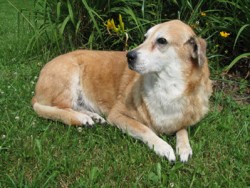
Losing a pet can feel like losing a family member, and many people want a meaningful way to keep their companion’s memory close. While cremation, burial, paw prints, urns, and photo keepsakes are common choices, some families look for something more tangible. That is where pet preservation services come in. These services help preserve part or all of a pet’s physical form after death, often through methods such as freeze drying, taxidermy, fur preservation, bone preservation, or custom memorial pieces. The goal is not simply to create a display item, but to give grieving families a lasting tribute that feels personal, respectful, and comforting. Professional providers often help families compare options, understand timelines, and choose a method that fits their emotional needs and home environment.
What Are Pet Preservation Services?
Pet preservation services are professional aftercare options that preserve a deceased pet in a physical form. Depending on the provider, this may include full body preservation, partial preservation, skull cleaning, paw or nose casts, fur keepsakes, skeleton articulation, or traditional taxidermy. Some services focus on preserving the pet’s natural appearance, while others create symbolic or artistic memorials. These options are often chosen by people who want more than ashes or photographs after their pet passes. For many families, preservation provides a sense of continued connection during the grieving process.
Pet preservation is different from basic memorial products because it involves specialized handling of the pet’s body or body materials. Providers may use equipment, sculpting skills, preservation chemicals, drying techniques, or artistic finishing work. The process is typically customized because no two pets are exactly alike. Size, species, coat condition, age, posture, and the family’s wishes all affect the final plan. This is why reputable providers usually begin with a consultation before recommending a specific service.
Common Types of Pet Preservation
There are several types of pet preservation services, and each one creates a different result. Full preservation may be the right choice for someone who wants their pet’s familiar appearance maintained as closely as possible. Partial preservation may be better for families who want a smaller, more subtle keepsake. Artistic preservation can include casts, framed fur, bones, skulls, or memorial displays. The best option depends on comfort level, budget, available space, and how the family wants to remember their pet.
Common preservation options include:
- Freeze drying: Preserves the pet by removing moisture while helping maintain natural structure and appearance.
- Traditional taxidermy: Preserves treated skin over a sculpted form, often allowing more control over pose.
- Fur or pelt preservation: Creates a soft keepsake from part of the pet’s coat.
- Paw, nose, or body casts: Uses molds or castings to create a physical impression.
- Bone or skull preservation: Cleans and prepares skeletal elements as memorial pieces.
- Skeleton articulation: Reconstructs a skeleton for a more anatomical tribute.
Freeze drying and taxidermy are among the better-known full-body options, but they work differently. Freeze drying removes moisture from the body over time, helping preserve natural features and delicate details. Traditional taxidermy usually involves preserving the skin and placing it over a custom form. Some providers also offer cremation, aquamation, and memorial keepsakes alongside preservation, giving families several aftercare paths to consider. Because each method has different care needs, families should ask how long the result may last and how it should be displayed.
How the Process Usually Works
Most pet preservation services begin with an initial consultation. During this conversation, the provider asks about the pet’s species, size, condition, time since passing, and the family’s goals. They may explain which preservation methods are realistic and which ones may not be ideal. Families can usually discuss preferred positioning, expression, display style, and any keepsakes they want returned. This early communication is important because proper handling after death can affect the final result.
After the consultation, the provider gives instructions for transportation or shipping. Some local providers may offer pickup, while others work with families nationwide through carefully prepared shipping arrangements. The pet may need to be cooled or frozen quickly to slow natural changes before preservation begins. Families should follow the provider’s directions closely rather than guessing, especially if they are considering full-body preservation. When possible, contacting a provider before a pet passes can reduce stress and help the family prepare.
Once the pet arrives, the preservation specialist evaluates the body and confirms the plan. The exact process depends on the chosen method. Freeze drying may involve positioning the pet, preparing details, and placing the body in specialized equipment for an extended period. Traditional taxidermy involves skin preparation, form creation, fitting, finishing, and detail work. Casts, fur keepsakes, skull preservation, and bone work each follow their own preparation steps.
The timeline can vary widely. Small keepsakes may take less time than full-body preservation. Freeze drying can take months, particularly for larger animals, because moisture must be removed gradually. Taxidermy and skeletal work can also require significant time because they involve careful preparation and finishing. Families should expect a professional provider to explain the approximate timeline before work begins, while also making clear that quality preservation cannot be rushed.
What to Consider Before Choosing Preservation
Pet preservation is a very personal decision, and it is not the right choice for every family. Some people find comfort in seeing or touching a preserved tribute, while others may prefer cremation, burial, jewelry, or photo memorials. There is no correct way to grieve a pet. The most important thing is choosing an option that feels respectful and emotionally healthy for the people involved. Families should give themselves permission to ask questions before committing.
Practical considerations matter too. Full preservation requires a place where the pet can be safely displayed or stored. Freeze-dried pets generally need stable, dry environments, while taxidermy pieces may be more durable but still require proper care. Cost can also vary based on pet size, preservation method, complexity, pose, and customization. A reputable provider should be transparent about pricing, timelines, shipping requirements, and long-term care. Families should also review examples of previous work to understand the provider’s style.
FAQ About Pet Preservation Services
What are pet preservation services?
Pet preservation services are professional aftercare options that preserve a pet’s body, fur, bones, paw prints, nose prints, or other physical features as a memorial.
Is pet preservation the same as taxidermy?
Not always. Taxidermy is one type of preservation, but pet preservation may also include freeze drying, casts, fur keepsakes, skull preservation, skeleton articulation, and other memorial services.
How long does pet preservation take?
The timeline depends on the method and the size of the pet. Full body preservation often takes months, while smaller keepsakes may be completed sooner.
Can any pet be preserved?
Many types of pets can be preserved, including dogs, cats, birds, rabbits, reptiles, and small mammals. The best method depends on the species, condition, and desired result.
Is freeze-drying better than taxidermy?
Neither option is automatically better. Freeze drying may maintain more natural body structure, while taxidermy may offer more flexibility in pose and display durability.
How should I care for a preserved pet?
Most preserved pets should be kept indoors, away from moisture, direct sunlight, pests, and rough handling. The provider should give specific care instructions based on the method used.
Choosing the Right Provider
The right provider should combine technical skill with compassion. Pet preservation is emotionally sensitive work, so families deserve clear communication, respectful handling, and realistic expectations. Look for a provider that explains its process, shows examples, answers questions, and does not pressure you into a decision. It is also wise to ask about shipping, storage, payment, timelines, and what happens if the desired result is not possible. A careful provider will help you understand both the benefits and limitations of preservation.
Ultimately, pet preservation services give families another way to honor a beloved companion. For some, the comfort comes from preserving a familiar face or posture. For others, it comes from a paw cast, a lock of fur, or a beautifully prepared memorial piece. The choice is deeply personal, and it should be made with patience and care. When handled by an experienced professional, pet preservation can create a lasting tribute that reflects the bond shared with a cherished animal.