
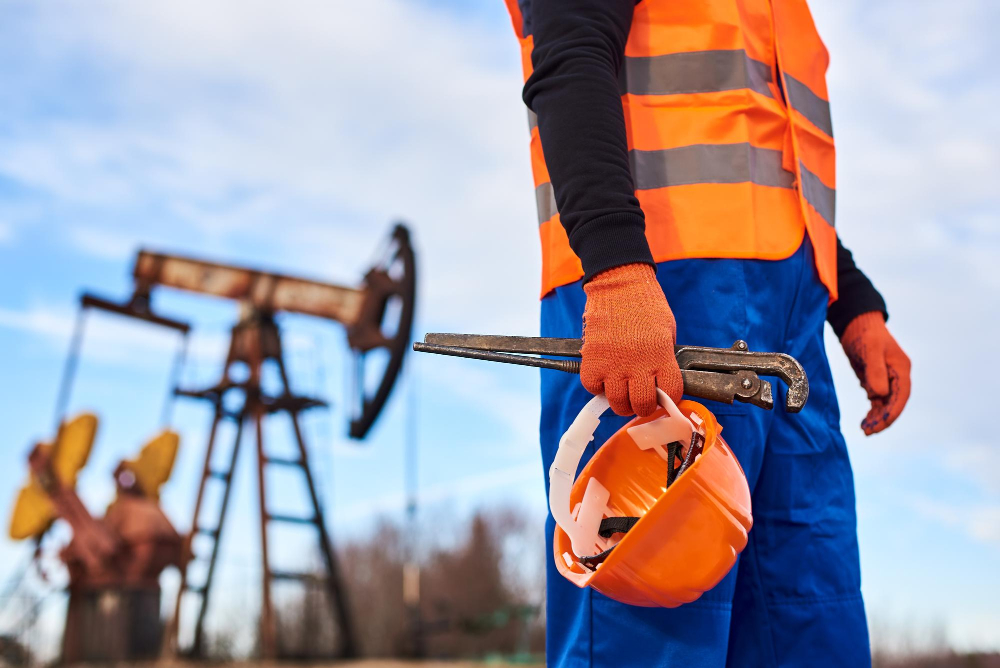
Learn how to choose the right maintenance tool for oil and gas operations by reducing downtime, supporting safety, and simplifying daily work
Oil and gas maintenance rarely happens under calm conditions. Teams are working around tight schedules, remote sites, changing weather, and equipment that does not get much room to fail. When a pump, valve, or compressor starts to fail, the problem is rarely isolated. It can affect production, safety, and the people trying to keep the site moving. That is why maintenance in this industry needs more than quick fixes.
It needs to be planned and supported by the best oil and gas maintenance software that helps teams recognize problems beforehand, instead of just following a reactive approach. But choosing the right one comes down to a few key factors.
Smarter Selection
The search for the right maintenance software starts with a simple requirement for most operations. The teams need more operational control and less confusion to maximize their efficiency. The right tool should have four important characteristics:
- It should track work orders.
- It needs to monitor assets.
- It should keep maintenance records in one place.
- It should also help teams identify which tasks need their attention now and what can wait.
When maintenance information is scattered across notebooks, spreadsheets, and conversations, small issues are easy to miss. An efficient tool keeps details together, helping managers make faster and clearer decisions.
Daily Coordination
A good maintenance platform should fit the way field teams actually work. Especially in upstream operations, teams move between locations, switch tasks continuously, and deal with sudden issues. Therefore, teams need to have software that is practical and aligns with the team’s work patterns. Technicians should be able to update work orders on the move, supervisors should be able to see progress without chasing people for status updates, and planners should have enough visibility to schedule work without causing unnecessary downtime. When those pieces line up, the entire maintenance process becomes easier to manage.
Planning with Purpose
Preventive maintenance still matters, even in fast-moving environments. In fact, it matters more when equipment is expensive, and interruptions are costly. A well-planned maintenance routine helps teams foresee issues before they cause damage. It also helps the team plan better inspection routines, parts replacements, and labor scheduling. Therefore, this planning helps teams set priorities, spot potential failures, and work accordingly. However, this approach does not eliminate every surprise, but it does reduce the number of emergencies that interrupt production and drain resources.
Safety and Oversight
Maintenance is not just about keeping the equipment working as per the plan. In oil and gas operations, it plays an important role in reducing risk and maintaining safety standards on site. When the equipment is not inspected or serviced properly, it is nothing but a safety concern. Therefore, many teams follow industry-backed safety practices to stay on track. The Centers for Disease Control and Prevention (CDC) highlights common oil and gas hazards and practical approaches to worker safety. When maintenance routines are consistent and well-documented, it becomes much easier to prevent issues before they affect safety, operations, or compliance.
Field-Level Visibility
One of the biggest advantages of digital maintenance tools is better visibility in the field. When technicians can capture notes, add photos, and close out tasks from their devices, there is less room for miscommunication. The next shift does not have to guess what happened, and managers do not have to wait for a paper trail to catch up. That kind of clarity saves time, but it also keeps small issues from becoming larger ones. In an environment where every day matters, better communication is not a nice extra; it is part of a running and disciplined operation.
Cost Control
The financial side of maintenance is easy to underestimate until something goes wrong. Emergency repairs often cost more because they come with overtime, rushed parts, and production losses that spread beyond one asset. A better maintenance system helps reduce costs by making it easier to plan work in advance and by improving the quality of information teams use every day. Over time, that can extend asset life and make spending more predictable. For operations leaders, that predictability is valuable because it turns maintenance into something that can be managed with more confidence.
Choosing Well
The right tool should make the work simpler, not more complicated. If it saves time on the field, it gives leaders a clearer picture of asset health, and helps the team follow through on routine work, it is doing its job. Oil and gas operations do not need software that looks impressive but gets in the way. They need something dependable, easy to use, and built for the realities of maintenance work. When teams choose carefully, they gain more than a system. They gain a better way to run the operation.
Conclusion
At the end of the day, maintenance is about keeping complex operations steady. The sites that do it well tend to have fewer surprises, better coordination, and a stronger handle on cost and safety. That does not happen by accident. It happens when the right people have the right tools and use them consistently. In the oil and gas industry, that consistency can make the difference between constant disruption and a much more controlled operation.