
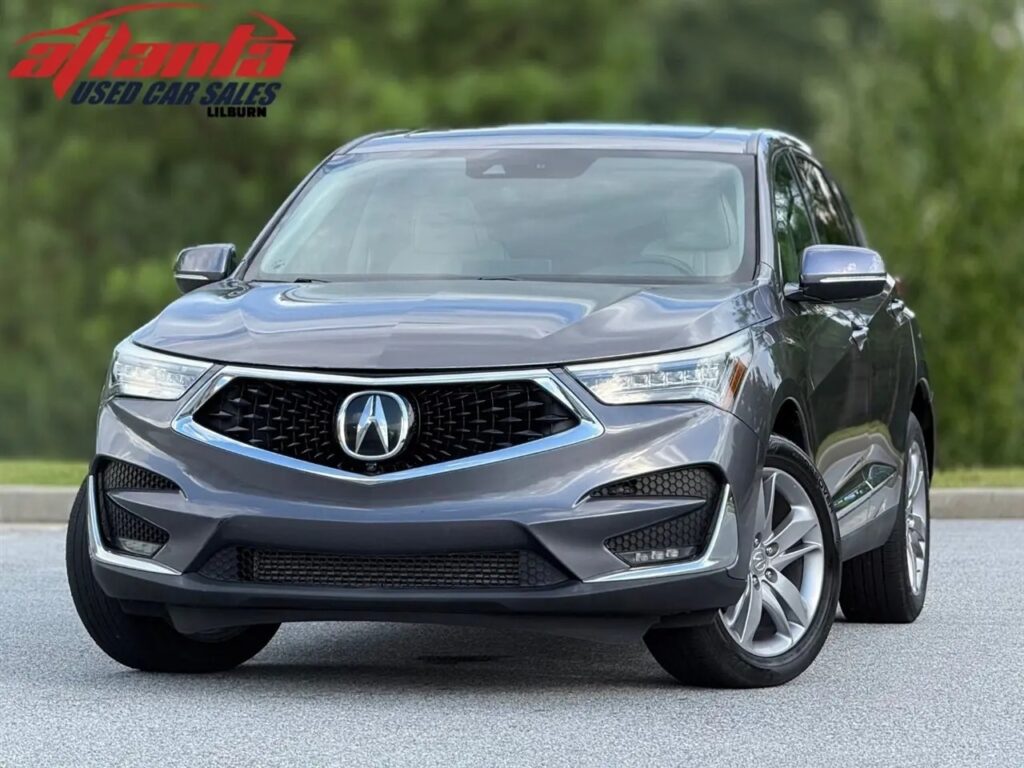
Choosing between a used sedan and a used SUV often comes down to how and where you drive. Georgia motorists may encounter busy Atlanta-area highways, narrow neighborhood streets, rural roads, summer thunderstorms, and occasional winter ice. Each vehicle type offers advantages depending on passenger needs, cargo demands, fuel preferences, and driving habits. Shoppers exploring used car sales in Lilburn, GA, should evaluate more than appearance or purchase price before making a decision. Understanding how sedans and SUVs perform in common Georgia conditions can help you select a vehicle that fits your daily routine and long-term budget.
How Georgia Driving Conditions Affect Vehicle Choice
Georgia roads vary significantly from one area to another. Drivers near Lilburn may spend considerable time on suburban roads, Interstate 85, Highway 29, and congested routes leading toward Atlanta. Outside metropolitan areas, motorists may encounter winding two-lane roads, uneven pavement, gravel driveways, and limited street lighting. Heavy rain can also create standing water and reduce visibility, especially during summer storms. A suitable used vehicle should provide predictable handling, good visibility, dependable braking, and enough comfort for both short errands and longer commutes.
Road quality is generally manageable for most sedans and SUVs, but ground clearance may matter in certain situations. Deep potholes, steep driveways, unpaved roads, and localized flooding can be easier to navigate in a vehicle that sits higher off the ground. Sedans, however, usually feel more stable and responsive on smooth pavement because of their lower center of gravity. They may also be easier to position in traffic and more comfortable for drivers who prefer car-like handling. The better option depends on the specific roads you travel most often rather than the state as a whole.
Why a Used Sedan May Be the Better Choice
Used sedans remain practical options for commuters, students, retirees, and small households. Their lower ride height typically contributes to balanced handling and a planted feeling on highways. Many sedans also offer strong fuel efficiency, which can be valuable for drivers who commute between Gwinnett County and Atlanta several times each week. Because sedans are often lighter than comparably equipped SUVs, they may require less fuel during routine driving. They can also be more affordable to purchase, insure, and maintain, depending on the model and condition.
Parking is another important advantage of sedans. Shopping centers, apartment complexes, schools, and crowded business districts may have tight spaces that are easier to navigate in a smaller vehicle. Sedans generally have shorter bodies, smaller turning circles, and better maneuverability than larger SUVs. Their trunks can hold groceries, luggage, work supplies, and everyday equipment while keeping belongings hidden from view. For drivers who rarely transport bulky items or more than four passengers, a sedan may provide all the space they need without unnecessary size.
A sedan may work especially well for motorists whose driving consists mainly of paved suburban streets and highways. The lower seating position can create a more connected driving feel, while the suspension is often tuned for smooth, quiet travel. Many used sedans include safety and convenience features such as blind-spot monitoring, backup cameras, adaptive cruise control, and smartphone integration. Availability can also be strong because manufacturers have produced popular sedan models for decades. This gives buyers a wide range of price points, mileage levels, trim packages, and fuel economy ratings to compare.
Why a Used SUV May Be the Better Choice
Used SUVs appeal to families, outdoor enthusiasts, contractors, pet owners, and anyone who regularly carries large amounts of cargo. Their taller cabins provide generous headroom and flexible storage configurations, particularly when the rear seats fold down. Many models offer comfortable seating for five passengers, while midsize and full-size SUVs may include a third row. The elevated driving position can improve forward visibility in dense traffic. Drivers may also find it easier to enter and exit an SUV because the seats are positioned higher than those in a typical sedan.
Ground clearance is one of the most useful SUV advantages for Georgia drivers. A taller vehicle can feel more capable on gravel roads, damaged pavement, steep driveways, and roads covered with small branches after severe weather. Some SUVs also offer all-wheel drive or four-wheel drive, which may improve traction on wet roads, mud, loose gravel, and occasional ice. These systems do not eliminate the need for careful driving, but they can provide additional confidence when conditions deteriorate. Buyers should remember that tire quality has a major effect on traction regardless of the drivetrain.
SUVs can also support changing lifestyle needs. A compact SUV may provide nearly sedan-like efficiency while offering more cargo room and a higher seating position. A midsize model can accommodate car seats, sports gear, luggage, home improvement supplies, or equipment for weekend trips. Roof rails and towing capabilities may add further versatility, although capacities vary by model. For buyers who expect their transportation needs to expand, an SUV may prevent the need to replace the vehicle again within a few years.
Fuel Economy and Ownership Costs
Fuel economy is often one of the biggest differences between used sedans and SUVs. Sedans typically use less fuel because they weigh less, sit lower, and create less aerodynamic drag. The savings can become meaningful for drivers who travel long distances or sit in stop-and-go traffic every day. Compact SUVs have narrowed the efficiency gap, especially when equipped with smaller engines or hybrid powertrains. Still, shoppers should compare Environmental Protection Agency estimates and consider how mileage may vary with vehicle age, maintenance history, traffic, and driving style.
Purchase price is only one part of the ownership equation. Larger SUVs may require more expensive tires, use more oil, and have higher fuel and insurance costs. Some models also include complex all-wheel-drive systems that may increase maintenance expenses over time. Sedans can be less expensive to service, but luxury or performance models may still carry high repair costs. Before buying, consider the following ownership expenses:
- Fuel consumption
- Insurance premiums
- Tire replacement costs
- Routine maintenance
- Registration and taxes
- Expected repair needs
- Financing terms and interest
A pre-purchase inspection is particularly valuable when comparing used vehicles. A qualified mechanic can examine the engine, transmission, suspension, brakes, tires, cooling system, and electronic components. The inspection may identify problems that are not obvious during a short test drive. Buyers should also review available maintenance records and the vehicle history report. A well-maintained SUV may be a better value than a neglected sedan, even when the sedan initially appears less expensive.
Safety and Wet-Weather Performance
Georgia drivers frequently deal with heavy rain, so wet-weather handling deserves careful consideration. Sedans often benefit from a lower center of gravity, which can improve cornering stability and reduce body movement. SUVs provide better road visibility but may feel less agile during quick maneuvers because of their taller design. Modern electronic stability control helps both types of vehicles maintain control when traction is reduced. Properly inflated tires with sufficient tread depth remain essential for braking and resisting hydroplaning.
Vehicle size may influence how protected occupants feel, but size alone does not determine safety. Crash-test ratings, structural design, airbags, driver-assistance features, and braking performance all matter. Shoppers should compare the safety ratings of the specific year, make, and model under consideration rather than assuming every SUV is safer than every sedan. Features such as automatic emergency braking, lane-departure warning, rear cross-traffic alert, and blind-spot monitoring can make daily driving easier. The condition of those systems should be checked before the sale is finalized.
Passenger Comfort and Cargo Space
Passenger needs can quickly determine whether a sedan or SUV is more practical. Sedans usually provide comfortable seating for four adults, although rear headroom and legroom vary by model. Families with young children should test how easily car seats fit and whether doors open wide enough for convenient access. SUVs tend to provide more upright seating and additional space around the second row. Third-row models can carry more passengers, but the rearmost seats may be best suited to children or shorter trips.
Cargo requirements should also be tested in person. A sedan trunk may be spacious but limited by the size and shape of its opening. SUV liftgates generally make it easier to load strollers, bicycles, boxed furniture, coolers, and large pieces of luggage. Fold-flat rear seats can turn an SUV into a flexible hauling vehicle when passenger space is not needed. Buyers should bring measurements of frequently carried items or even test-load important equipment. Published cargo figures are helpful, but they may not show whether a particular object will fit through the opening.
Questions to Ask During a Test Drive
A test drive should reflect the conditions you expect to encounter after buying the vehicle. Drive on city streets, faster roads, hills, and rough pavement when possible. Listen for unusual noises, check braking response, and observe whether the vehicle tracks straight. Test the climate control, infotainment system, cameras, windows, locks, seat adjustments, and other electronic equipment. Useful questions to consider include:
- Is visibility adequate in every direction?
- Is the driver’s seat comfortable and supportive?
- Does the vehicle accelerate smoothly?
- Is road and wind noise acceptable?
- Can passengers enter and exit comfortably?
- Is the cargo area large enough?
- Does the vehicle feel manageable in tight spaces?
- Are maintenance records available?
Drivers comparing used car sales in Lilburn, GA, should also test vehicles during conditions similar to their normal commute when practical. A vehicle that feels comfortable during a quiet midmorning drive may feel different in heavy traffic. Pay attention to blind spots when changing lanes and backing out of parking spaces. Make sure the turning radius works for your driveway, parking area, and neighborhood streets. The best vehicle should feel predictable and comfortable rather than unnecessarily large or difficult to control.
Frequently Asked Questions
Are SUVs better than sedans in heavy Georgia rain?
Not automatically. Some SUVs offer all-wheel drive and additional ground clearance, but good tires, safe speeds, and proper maintenance are more important for wet-weather safety. Sedans may feel more stable because of their lower center of gravity.
Do I need all-wheel drive in Georgia?
Many Georgia drivers do not need all-wheel drive for everyday travel. It may be useful for gravel roads, steep driveways, mud, frequent mountain travel, or occasional icy conditions. Front-wheel drive with quality tires is adequate for many paved-road commuters.
Which vehicle is easier to park?
Sedans are generally easier to park because they are lower, shorter, and often have smaller turning circles. Compact SUVs can also be manageable, especially when equipped with parking sensors and backup cameras. Always test visibility and maneuverability before purchasing.
Are used sedans cheaper than used SUVs?
Sedans are often less expensive, but prices depend on age, mileage, model, condition, and demand. Some compact SUVs may cost about the same as well-equipped sedans. Compare total ownership expenses rather than focusing only on the advertised price.
Which is better for a family?
An SUV may be more convenient for families that need extra passenger room, cargo space, or easier car-seat access. A midsize sedan can still work well for a smaller household. The right choice depends on family size, activities, and storage needs.
Do SUVs cost more to maintain?
They can, particularly if they require larger tires, more fuel, or repairs to all-wheel-drive components. Maintenance costs vary widely by brand and model. Reviewing reliability information and obtaining a mechanical inspection can help buyers avoid unexpected expenses.
Choosing the Right Used Vehicle for Your Georgia Lifestyle
Neither vehicle category is universally better for Georgia roads. A used sedan may be the stronger choice for drivers who prioritize fuel economy, responsive handling, affordability, and easy parking. A used SUV may be more practical for motorists who need cargo flexibility, additional passenger space, higher ground clearance, or available all-wheel drive. Your commute, household size, travel habits, and budget should guide the decision. Comparing several vehicles side by side can reveal meaningful differences that specifications alone may not show.
Focus on condition and service history once you determine which body style suits your needs. A dependable vehicle with documented maintenance is usually a better purchase than a poorly maintained model with more features. Inspect the tires, verify safety equipment, review ownership costs, and take a thorough test drive. Consider how the vehicle will perform not only today but also throughout the next several years. By balancing road conditions, space, efficiency, and long-term expenses, you can choose a used sedan or SUV that supports confident driving throughout Lilburn and the rest of Georgia.