
Cervical stenosis narrows the spinal canal in your neck. Learn the symptoms, causes, and care options, plus when numbness or weakness needs a doctor
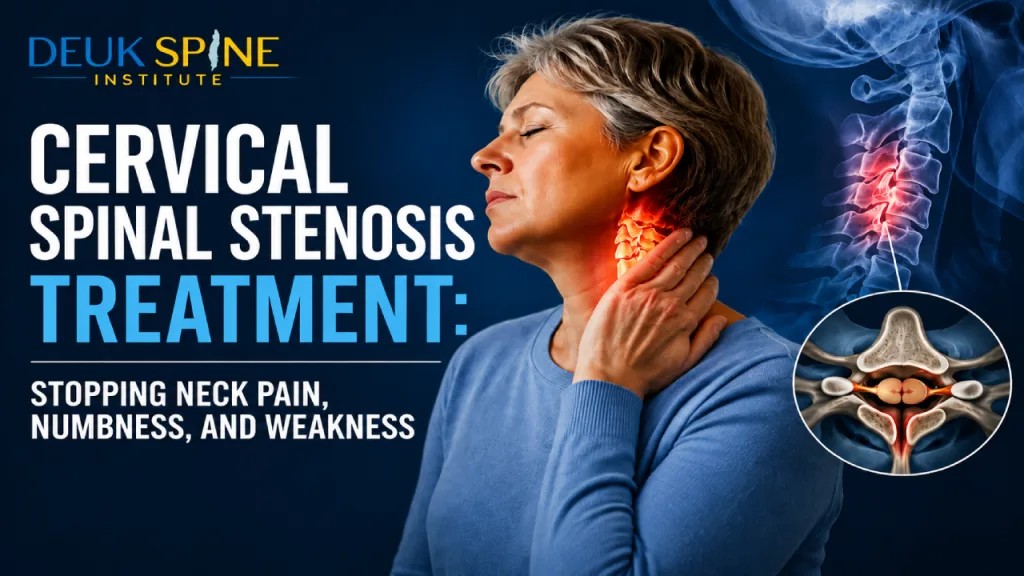
My father blamed his numb fingers on the cold for a full winter. He had it half right. The feeling in his hands was fading before he finally mentioned it to anyone. That gap between what a neck problem feels like and what people assume it is costs a lot of folks months of unnecessary worry. Roughly a third of the adults I know who complain about chronic neck pain have never had anyone explain what cervical stenosis actually involves, so they fill the silence with worst case scenarios.
Cervical stenosis is a narrowing of the spinal canal in your neck, and that narrowing can press on the spinal cord or the nerve roots branching off it. For a plain language breakdown of what the condition involves and how it gets treated, Cervical Stenosis covers it in detail. Here you will get the picture most people actually need: what to watch for, why it happens, and what your real options look like.
What Cervical Stenosis Actually Means
Your spine is a stack of bones with a tunnel running through it. That tunnel holds your spinal cord, the bundle of nerves that carries signals between your brain and the rest of your body. In your neck, that tunnel is already narrow compared with the rest of your back. Over time, the space inside it shrinks. Bone spurs grow. Discs bulge or dry out. Ligaments thicken. None of that is dramatic on its own, but the canal only has so much room to give. When the walls press in and touch the cord or a nerve root, you get symptoms.
Here is the part that trips people up: the amount of narrowing on an MRI and the amount of pain you feel do not always match. I have talked to people with significant narrowing who feel fine, and people with mild narrowing who can barely turn their heads. Your body does not read the imaging report.
Symptoms You Should Not Wave Off
Neck pain is the obvious one, but it is rarely the most telling. Watch for these instead:
- Numbness or tingling that runs into your shoulder, arm, or hand
- Weakness in your grip, like dropping a coffee mug you were holding fine last month
- Clumsiness in your fingers, trouble with buttons or handwriting
- Heaviness or unsteadiness in your legs, or a walk that has started to feel stiff
- Balance problems, or a sense that your feet are not quite where you think they are
That last group matters. Symptoms in your legs from a neck problem sound backwards, but they are a signal that the cord itself is involved, not just a nerve root. The National Library of Medicine notes that spinal cord compression can affect how you walk, use your hands, and control your bladder, which is why leg and balance changes deserve a real conversation with a doctor rather than a wait and see approach. My blunt opinion: tingling fingers can wait a week. A newly clumsy hand or an unsteady walk should not. Get seen.
Why the Canal Narrows In the First Place
Age does most of the work here. Wear on the discs and joints of the neck is a normal part of getting older, and the body responds by thickening ligaments and building new bone. Sometimes that response overcorrects. A second group deals with this from birth. Some people are born with a canal that is narrower than average, and it takes far less wear to cause symptoms. If a young person shows up with symptoms that look like an older adult’s, this is usually why.
Injuries play a role too. A bad fall, a car accident, or years of contact sports can shift the structure of the neck. And in some cases, a herniated disc is the trigger rather than bone. The National Institutes of Health describes spinal stenosis as a narrowing of the spaces within the spine that puts pressure on the nerves, a definition that applies whether the cause is bone, disc, or ligament.
How Doctors Sort Out What Is Going On
A good workup starts with your story, not a scanner. Your doctor will ask when symptoms started, whether they are getting worse, and what makes them better. Then comes a physical exam: reflex testing, strength checks, and watching how you walk. Imaging usually follows. An MRI shows the soft tissue, which means it can show the cord and discs clearly. A CT scan shows bone better. X-rays matter less here unless they are checking for instability.
One thing worth knowing: incidental findings are common. Plenty of scans show changes that are not causing anyone’s symptoms. That is why the exam and your history drive the plan, and the image supports it.
Treatment Options, From Least to Most Involved
Most people start conservatively, and for mild cases that is often enough.
- Activity changes. Avoiding positions that jam your neck into extension can calm things down.
- Physical therapy. Strengthening the muscles around the neck and upper back takes load off the joints.
- Medication. Anti inflammatories and, in some cases, nerve pain medication help manage symptoms.
- Injections. Steroid shots near the irritated nerve can reduce swelling and buy relief.
- Surgery. Reserved for cases with real nerve or cord involvement, worsening symptoms, or pain that will not budge.
Here is where I would push back on the internet. Surgery gets framed as a failure of everything else, and that framing hurts people. If your cord is being compressed and you are losing function, waiting is not conservative. It is risky.
The Mayo Clinic points out that spinal stenosis treatment depends on how severe symptoms are and how much they interfere with daily life, which is the right way to think about it. Match the treatment to the problem, not to a philosophy.
A Short Checklist Before Your Appointment
Walk in prepared and you will get more out of the visit:
- Write down when each symptom started and whether it is improving.
- Note what your hands can no longer do that they could six months ago.
- List every medication and supplement you take.
- Bring any prior imaging, or ask where the records live.
- Ask directly whether your spinal cord is being affected, and what signs would mean it is getting worse.
That fifth item is the one most people skip. It is also the one that changes how the whole conversation goes.
The Bottom Line
Cervical stenosis is a mechanical problem with a wide range of outcomes. Mild narrowing with occasional stiffness is a very different thing from cord compression that is changing how you walk, and the treatment path should reflect that difference. Track your symptoms honestly, get a real exam rather than a self diagnosis from a search, and ask what would push your case from watchful waiting into active treatment. If your hands have started dropping things, that is your answer already. Call someone.