
Image from Soulfa
A busy family room can quickly become the most stressful spot in the house. Toys pile up, blankets end up everywhere, and the constant background noise of daily life makes it hard to fully relax. Fortunately, creating a calmer space doesn’t require a full renovation or an expensive redesign. Small, thoughtful changes can completely shift how your home feels.
If your family room has started to feel chaotic instead of comforting, a simple reset may be exactly what you need. These practical updates can help your space feel more peaceful, functional, and welcoming for everyone who uses it.
1. Start With the Seating Arrangement
The way you position furniture has a major impact on how a room functions. Many family rooms feel crowded simply because the layout works against the natural flow of the space.
Pull furniture slightly away from the walls to create a more connected seating area. Keep pathways open so people can move through the room without bumping into tables or baskets. If possible, angle chairs toward each other to encourage conversation instead of directing every seat toward the television.
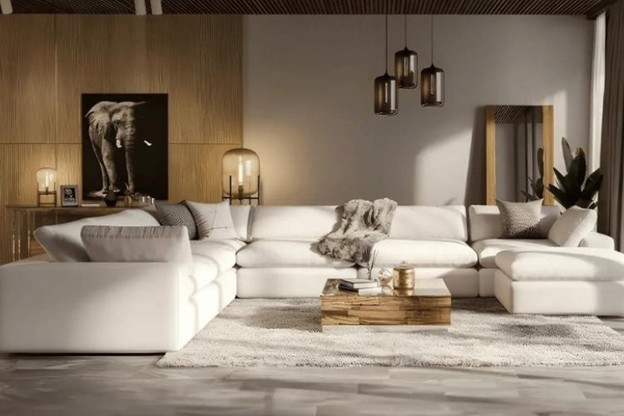
Comfort also matters more than many people realize. Families spend hours reading, watching movies, chatting, or simply unwinding together in this space. Many homeowners now choose larger, softer seating that supports longer periods of relaxation. Comfortable pieces like soulfa.com can help create a family room that feels inviting without sacrificing practicality.
2. Reduce Visual Clutter
Visual clutter creates mental clutter. Even a beautiful room can feel stressful when every surface is covered with items competing for attention.
Start small by clearing coffee tables, shelves, and side tables. Keep only a few meaningful or functional pieces on display. A candle, a stack of books, or a small plant often looks far calmer than multiple decorative objects grouped together.
Storage solutions also make a noticeable difference. Woven baskets, storage ottomans, and closed cabinets help contain everyday items without making the room feel sterile. The goal isn’t perfection. Instead, aim for a space that feels manageable and easy to maintain throughout the week.
3. Use Softer Lighting Throughout the Day
Harsh overhead lighting can instantly make a room feel tense. Softer, layered lighting creates a much calmer atmosphere, especially in shared family spaces.
Table lamps, floor lamps, and wall sconces help distribute light more evenly across the room. Warm-toned bulbs also create a softer effect than cool white lighting. During the evening, lower lighting naturally signals the brain to relax and slow down.
Natural light matters too. During the day, open curtains fully whenever possible. If privacy is a concern, lightweight curtains or sheer panels can still allow sunlight into the room without making the space feel exposed.
4. Choose Calming Colors and Textures
Color has a powerful effect on mood. Bright, highly saturated shades can feel energizing, but they may not create the peaceful environment many families want in their main living area.
Soft neutrals, warm earth tones, muted greens, and gentle blues often help a room feel grounded and relaxing. You don’t need to repaint the entire space to create this effect. Small changes like new throw pillows, blankets, rugs, or curtains can shift the tone of the room surprisingly quickly.
Texture also plays a key role. Natural fabrics, soft upholstery, and layered materials make spaces feel comfortable and lived-in rather than cold or overly styled.
5. Create a Simple Evening Reset Routine
Family rooms collect clutter fast because they’re used constantly throughout the day. A quick nightly reset helps prevent mess from building into something overwhelming.
Spend ten minutes each evening putting away blankets, folding pillows, clearing cups, and returning misplaced items to their proper spots. Involve the whole family whenever possible so the responsibility does not fall on one person.
This routine does more than tidy the room. Waking up to a calm, organized living space can make mornings feel far less stressful.
6. Keep Noise Levels in Check
A calmer room isn’t only about appearance. Sound also shapes how a space feels. Soft furnishings naturally absorb noise, which helps reduce echoes and sharp sounds. Rugs, curtains, upholstered furniture, and cushions all contribute to a quieter environment.
You can also intentionally create calmer background noise. Some families enjoy soft instrumental music during the evening, while others prefer white noise machines or small tabletop water features. Even lowering the television volume slightly can change the atmosphere of the room.
7. Add One Dedicated Relaxation Corner
Every family room benefits from a quiet corner that encourages people to slow down. This space doesn’t need to be large. A comfortable chair, a reading lamp, and a small side table can create a dedicated area for reading, journaling, or simply taking a break from screens and distractions.
Children also benefit from calming corners. A basket of books, floor cushions, or quiet activities gives kids a place to decompress without overstimulating the entire room.
8. Be Intentional About Technology
Televisions, gaming systems, tablets, and phones often dominate family spaces. While technology certainly has its place, it can also contribute to mental fatigue when it constantly competes for attention.
Simple boundaries help restore balance. Hide cords when possible. Store remotes in a designated spot instead of scattering them across the room. Some families also choose screen-free hours during meals or before bedtime to create a calmer environment.
The goal isn’t removing technology entirely. Instead, it’s about preventing devices from controlling the atmosphere of the space.
9. Bring in Natural Elements
Natural materials help soften a room and make it feel more grounded. Houseplants, wood accents, woven textures, and fresh flowers can instantly warm up a family room without requiring major changes.
Plants are especially effective because they add movement, color, and life to indoor spaces. Even low-maintenance varieties can make a room feel fresher and more balanced. You don’t need dozens of decorative pieces to create this effect. A few carefully chosen natural elements often feel far more calming than excessive décor.
10. Make Comfort the Priority
Many family rooms look polished but don’t actually feel comfortable to use. Spaces become calmer when they support real daily life rather than focusing entirely on appearance.
Keep soft blankets nearby. Choose furniture that people genuinely enjoy sitting on. Leave enough open space for movement and flexibility. Families relax more easily when they feel comfortable using the room naturally, rather than constantly worrying about keeping everything perfect.
A calm family room is rarely the most formal room in the house. It’s the one that feels welcoming, functional, and easy to live in every day.
Final Thoughts
Creating a calmer family room does not require dramatic changes. Small adjustments to lighting, furniture placement, organization, and comfort can completely transform the energy of the space over time.
The most relaxing homes are not necessarily the most expensive or perfectly designed. They are the homes that support daily life in simple, thoughtful ways. By focusing on comfort, functionality, and intentional design choices, families can create spaces that feel quieter, warmer, and far easier to enjoy together.