
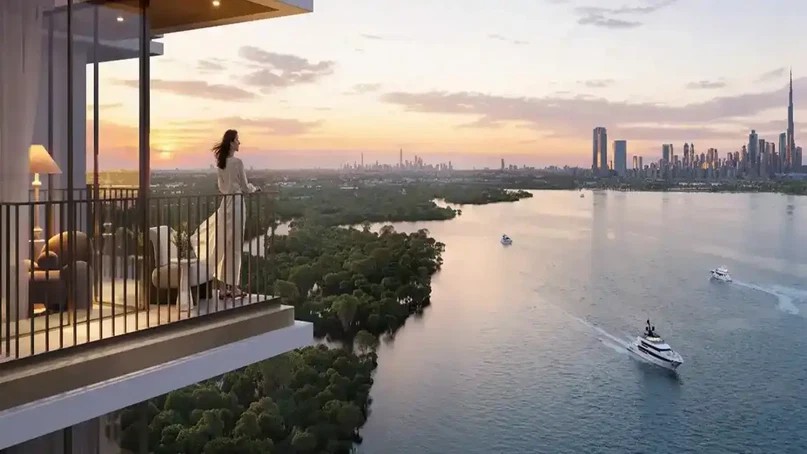
The real estate markets in the world are changing rapidly due to technology. The use of advanced systems in the cities has enhanced city living and efficiency. This is leading to the emergence of smart cities in the world. Such cities are places that are innovative, sustainable, and connected. Tech-savvy set-ups have modern infrastructure that is more comfortable to investors and buyers. Technology is transforming property demand, whether it is smart homes or AI-powered services. Smart cities are thus the new reality in terms of real estate investment.
What Is a Smart City in Real Estate?
A smart city is an urban centre that is technologically enabled to operate resources and infrastructure in an effective manner. It combines computerised systems, city planning, and practice. These cities are dependent on data to enhance services and reduce costs.
Smart cities provide connected living conditions in the area of real estate. The residents enjoy effective transportation, intelligent amenities, and services. This method increases the living standards and the value of property. Consequently, intelligent cities like Dubai and Singapore appeal to the local population and investors.
Role of Technology in Modern Real Estate
Technology has altered the way individuals purchase and sell properties. There is now ease of searching and comparing properties on digital platforms. Virtual tours assist purchasers in checking houses without going there in person.
Additionally, AI applications give recommendations on properties according to a preference. This enhances time-saving in decision-making. Transparency in the market is also enhanced by online deals. Consequently, technology makes the whole real estate process easier.
Smart Urban Planning and Infrastructure
Smart cities are interested in effective infrastructure and planning. They apply smart systems in controlling traffic to minimise congestion. Smart grids enhance the distribution of energy and minimise wastage.
Smart infrastructure is being developed in such cities as Singapore, London, and Dubai. They spend a lot on urban planning that is technology-oriented. Such developments increase connectivity and sustainability. Consequently, demand for properties in Dubai has been on the rise.
Artificial Intelligence and Big Data in Property Markets
AI contributes significantly to contemporary real estate. It assists in studying the market trends and estimating the demand for property, especially in Dubai, Seoul, and Singapore. Big data gives an understanding of the buyer behaviour and investment patterns.
This data is used by the developers and investors to make informed decisions. AI is also useful in the valuation of the property and in risk assessment. This minimises wastage and enhances productivity. Technology consequently provides a more secure real estate market.
Internet of Things in Smart Homes
The Internet of Things has altered residential living. Lighting, security, and temperature control devices are also connected devices in Smart Homes in Dubai and London. Those living there can operate these systems in mobile applications.
Such features enhance convenience and energy efficiency. They also promote security using intelligent monitoring systems. Consequently, consumers have a preference for houses that are equipped with smart homes. This boosts the demand for homes with technology.
Blockchain Technology in Real Estate Transactions
Blockchain is enhancing convenience in property dealings. It enables the maintenance of records that are secure and cannot be tampered with. Smart contracts make contracts automatic and minimise delays.
This technology minimises fraud and enhances the trust between parties. The transactions also become efficient. Consequently, blockchain is becoming a current trend in international real estate.
Green Smart Cities and Sustainability
One of the characteristics of smart cities is sustainability. The developers are concerned with eco-friendly buildings and the use of renewable energy. Smart waste management systems are also less impactful on the environment.
Cities such as Copenhagen are the pioneers in sustainable urban development. They advance environmentalism and a green lifestyle. These characteristics appeal to the green consumers. This makes sustainable properties have increased demand.
Global Examples of Emerging Smart Cities
Dubai keeps investing in intelligent infrastructure and online services. It is a place with superior living standards and good investment opportunities.
Singapore is geared towards effective urban design and intelligent governance. It offers a great standard of living.
London is modernising its infrastructure using smart technologies. It is a significant real estate centre in the world.
Seoul is a technologically oriented place of living with digitalized systems. It enjoys innovation and connectivity.
Impact on Property Demand and Investment Trends
The world is shifting in the demand for property due to technology. Customers have shifted to intelligent homes and neighbourhoods. Such properties are convenient and efficient.
Good infrastructure is an attraction to global investors in smart cities. Houses in these localities tend to cost more. They also have superior rentals and long-term growth. This is causing changes in the way investments are being made in tech-driven markets.
Challenges in Smart City Development
Although the advantages are present, there are a number of issues with smart cities. Big projects may be curtailed by the high costs of development. Cybersecurity and data privacy are also key issues.
Cities should invest in safe systems to secure the data of users. Moreover, advanced technologies require competent specialists to deal with them. These are the issues that need to be dealt with to achieve sustainable growth.
Future of Real Estate in Smart Cities
Technology will shape the future of real estate. The development of smart cities will go on with AI and automation. There may be fully automated and energy-efficient buildings.
Data and intelligent systems will be used in urban management. This will enhance effectiveness and cut down on the costs of operation. Consequently, smart cities will take over the real estate markets in the future.
Closing In
The emergence of smart cities is revolutionising the real estate markets worldwide due to the use of technology. These cities provide a good infrastructure, a good livelihood, and high technology. Customers and shareholders now seek technology-oriented settings to be more convenient and yield better results. With the ever-growing smart cities around the globe, they will determine the future of real estate. Thus, smart city developments provide high potential in the long term in a highly dynamic market.