
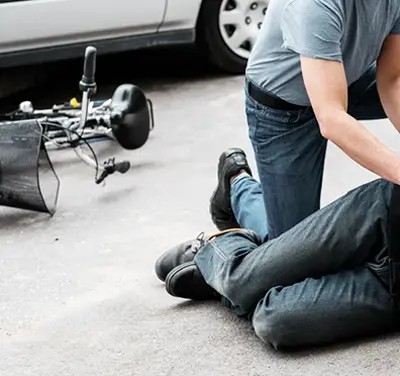
City streets work best when drivers, cyclists, and pedestrians understand how to share limited road space. For riders, knowing the rules can reduce risk and help protect their rights after a collision. California bicycle accident lawyers also see how questions about passing distance, bike lanes, visibility, and shared fault can shape an injury claim.
As more cities invest in bicycle infrastructure, road safety depends on more than painted lanes. Drivers and cyclists still need to anticipate each other’s movements and follow the rules that apply when traffic spaces overlap.
Cyclists Have Roadway Rights and Responsibilities
California Vehicle Code Section 21200 generally gives people riding bicycles on highways the same rights and responsibilities as vehicle drivers, except for rules that cannot reasonably apply to bicycles.
That means cyclists are expected to follow traffic signals, signs, and applicable right-of-way rules. Drivers, in turn, must recognize that cyclists are lawful road users rather than obstacles to traffic.
California law also recognizes that riding close to the right edge of a roadway is not always safe. Under Vehicle Code Section 21202, cyclists may move away from the curb when necessary to avoid hazards, pass another road user, prepare for a left turn, or approach an area where right turns are permitted.
Common urban hazards include:
- Potholes and broken pavement
- Parked cars and opening doors
- Construction materials
- Debris in bicycle lanes
- Narrow lanes that cannot safely accommodate a car and a bicycle side by side
These conditions matter when evaluating whether a cyclist’s position on the road was reasonable.
Passing Rules Give Cyclists Needed Space
Close passing is one of the most dangerous interactions between motorists and cyclists.
California’s Three Feet for Safety Act requires drivers overtaking a bicycle traveling in the same direction to maintain at least three feet between the vehicle and the cyclist.
When another lane traveling in the same direction is available, the driver must change lanes before passing if practicable, safe, and legally permitted.
If road conditions prevent compliance with the three-foot requirement, the driver must slow down and pass only when the maneuver can be completed without endangering the cyclist.
For city drivers, the practical rule is simple: do not squeeze past a bicycle merely because there appears to be enough room.
Fault After a Bicycle Collision Is Not Always Simple
Urban bicycle crashes often involve competing accounts of what happened. A driver may claim the cyclist moved suddenly. A cyclist may report being sideswiped, cut off during a turn, or struck after a vehicle entered a bike lane.
California follows comparative fault principles. Responsibility may be divided among the people whose actions contributed to the collision. A cyclist who is assigned part of the fault may still be able to recover compensation, although the amount may be reduced by the proportion of responsibility.
Because these disputes can become fact-intensive, consulting experienced California bicycle accident lawyers can help injured cyclists preserve evidence, evaluate disputed fault, and understand how California traffic rules apply to the crash.
Important evidence may include:
- Photos of the roadway, bicycle, and vehicle
- Dashcam or nearby surveillance footage
- Witness contact information
- Police collision reports
- Medical records documenting injuries
- Damage patterns showing the direction of impact
Safer Streets Require Shared Responsibility
Bicycle safety is not solely the cyclist’s responsibility. Drivers should check mirrors and blind spots before turning, opening doors, changing lanes, or entering bicycle lanes. Cyclists should remain visible, signal movements when required, and follow applicable traffic rules.
Better infrastructure can reduce conflicts, but everyday behavior still determines whether many close encounters become collisions.
Understanding the Rules Can Protect Cyclists
Cities increasingly depend on roads that accommodate different types of transportation. Clear rules about passing, lane use, right-of-way, and shared responsibility help make those streets safer.
When a bicycle collision results in serious injuries, understanding those rules can also become important when determining who was responsible. Preserving evidence early and seeking qualified legal guidance can help cyclists protect their rights when liability is disputed.