
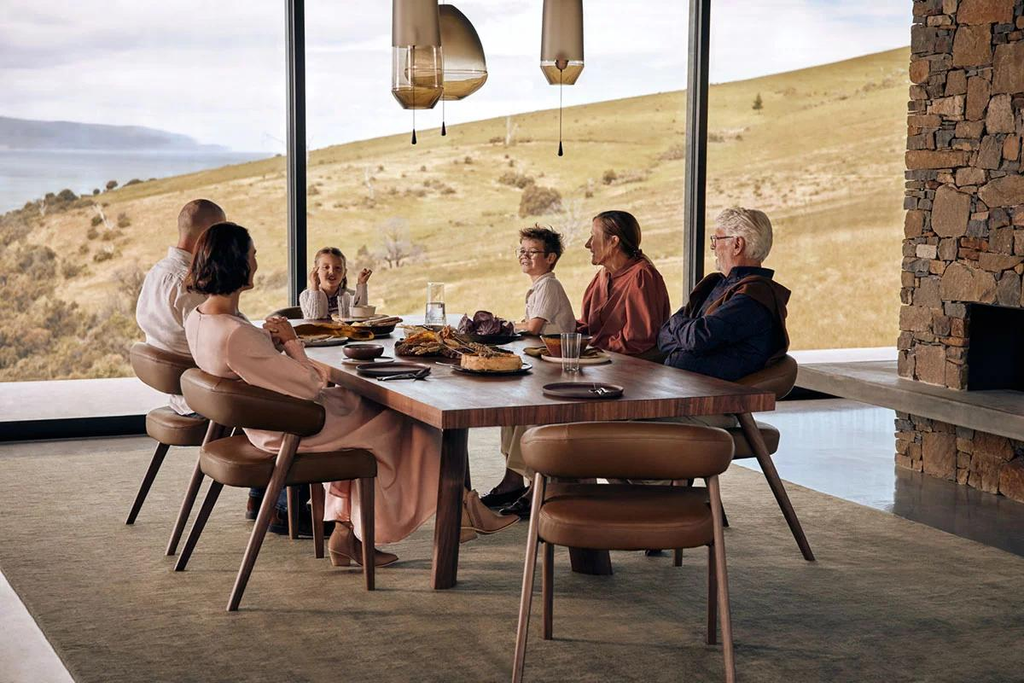
For generations, eating patterns were largely structured around three familiar meals: breakfast in the morning, lunch around midday, and dinner in the evening. While that routine remains common, modern lifestyles are making eating habits considerably more flexible. Remote work, longer commutes, changing family structures, fitness routines, and increasingly unpredictable schedules mean meals no longer happen at conventional times.
At the same time, consumers have access to a much wider variety of foods designed around convenience and individual nutritional preferences. The result is a gradual move away from rigid meal schedules toward eating patterns that can adapt to the realities of everyday life.
Why the Three-Meal Routine Is Changing
Traditional meal patterns developed partly around predictable working and family schedules. When people worked similar hours, and families were more likely to gather at fixed times, organizing the day around breakfast, lunch, and dinner was relatively straightforward.
Today’s schedules are far more varied. Shift workers may eat their main meal in the morning, remote employees might have lunch between meetings, and busy parents often organize meals around school, work, and other responsibilities. For many people, flexibility has become a practical necessity rather than simply a lifestyle preference.
This does not necessarily mean traditional meals are disappearing. Instead, people are becoming more comfortable adapting their eating schedules according to what works for their circumstances.
Convenience Is Influencing What We Eat
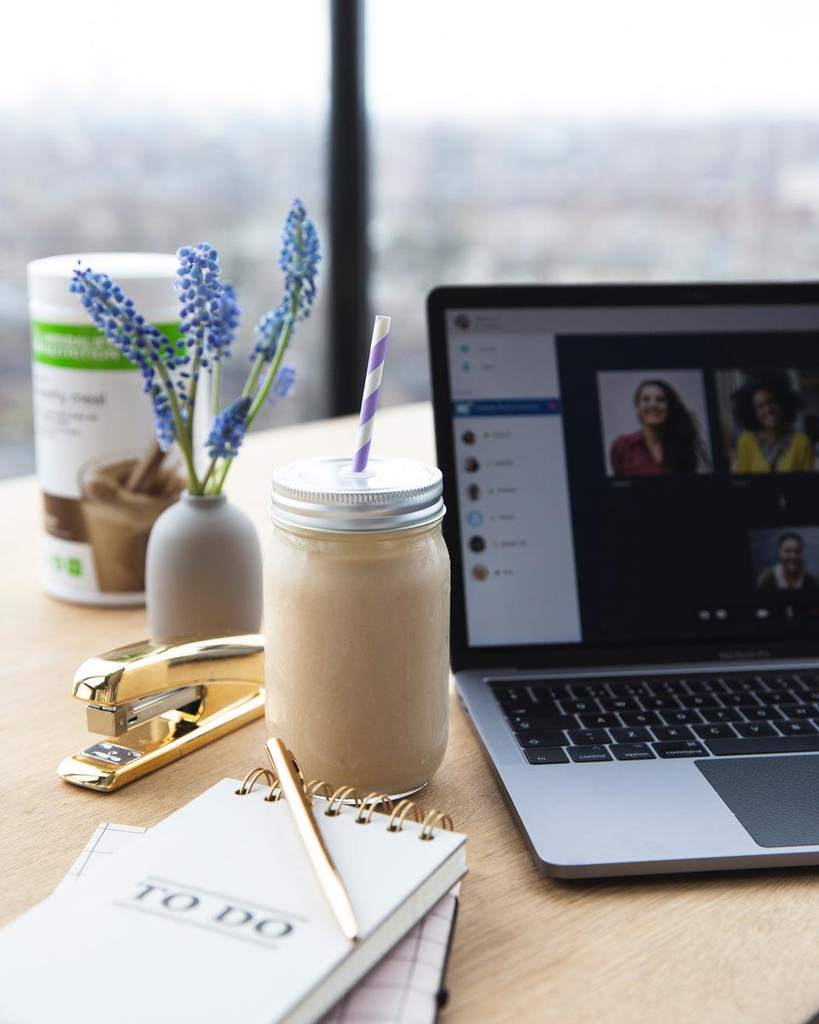
Changing schedules have increased demand for foods that require less planning and preparation. Ready-to-eat meals, portable snacks, prepared ingredients, and nutritional drinks are part of a growing market designed for consumers with limited time.
Some consumers researching the best UK meal replacement shakes, for example, are looking for convenient options that can fit into particularly demanding days. The broader trend shows how expectations around convenience have changed: people increasingly want quick food choices that also consider nutritional composition.
Convenience is therefore becoming less about avoiding cooking altogether and more about having alternatives available when preparing a conventional meal is impractical.
Flexible Eating Is Becoming More Personalized
A growing interest in personalization is also shaping modern eating habits. Rather than following a single conventional diet, people increasingly adjust their food choices around working hours, activity levels, cultural preferences, health goals, and individual routines.
Technology has accelerated this shift. Nutrition applications, wearable devices, online grocery services, and digital meal-planning platforms give consumers more information and greater control over how they organize their diets.
The result is a more individualized approach in which someone might prepare a substantial meal when time permits, choose something portable during a busy afternoon, and eat at different times from one day to the next.
Finding Balance Between Speed and Nutrition
The challenge with flexible eating is ensuring convenience doesn’t consistently take priority over dietary variety. Eating quickly can solve an immediate problem, but long-term nutrition still depends on getting an appropriate balance of nutrients from a varied diet.
This is why products marketed as the best UK meal replacement shakes are better considered within the context of someone’s overall eating pattern rather than as an automatic substitute for every traditional meal. Nutritional needs vary between individuals, and whole foods continue to offer important dietary variety alongside convenient alternatives.
A flexible approach can therefore combine home-cooked meals, fresh ingredients, convenient foods, and occasional meal replacements based on circumstances, rather than treating any one option as the answer to every situation.
The Social Side of Meals Still Matters

One aspect of traditional eating that convenience cannot fully replace is the social experience surrounding food. Family dinners, lunches with colleagues, and meals shared with friends provide opportunities to communicate and spend time together.
As eating becomes more individualized, preserving these experiences can be valuable. Flexible nutrition doesn’t have to mean eating alone in front of a screen or treating every meal as something to finish as quickly as possible.
Instead, convenience can create room for balance. Quick solutions may be useful during demanding periods, while traditional shared meals can remain an important part of family and community life.
What the Future of Everyday Eating Could Look Like
The future of food is unlikely to involve choosing between traditional meals and convenient alternatives. Instead, the two are increasingly likely to coexist. People may prepare dinner from scratch one evening, rely on a convenient option during a hectic workday, and enjoy a long family meal at the weekend.
What is changing most significantly is the expectation that eating should conform to a single routine. Modern consumers increasingly want food choices that adapt to their schedules while still allowing them to prioritize nutrition, enjoyment, and social connection.
Traditional meals are therefore not necessarily being replaced. They are becoming part of a broader, more flexible approach to eating—one that reflects how dramatically everyday life itself has changed.