

Keeping your home landscape looking great doesn’t just happen. It takes steady care and attention that changes with the seasons. If you think of your yard work as a year-round thing, instead of just one big spring cleaning, it can feel a lot more manageable and give you better results. Optimizing your garden through the seasons means working with nature, not fighting it. This guide will walk you through the important landscaping jobs for each season, so your outdoor space can look its best all year long.
Spring Awakening in the Garden
When the ground thaws and days get longer, your garden starts to wake up from winter. Spring is all about new beginnings and getting ready, setting the stage for everything to grow in summer. First up is a good cleanup of whatever winter left behind. Rake up matted leaves, fallen twigs, and other junk from your lawn and garden beds. This lets sunlight and air get to the soil, which helps stop mold and disease. It really sets things up for healthy growth all year, and you can find more seasonal landscaping tips to keep your yard vibrant.
This is also a good time to check for any damage from winter storms. Look at your trees and shrubs for broken branches. For bigger branches that might be dangerous or too much to handle, a small electric chain saw can make quick work of clearing them safely. Once the main cleanup is done, you can start pruning. It’s important to know what to cut and when. Trim summer-flowering shrubs like hydrangeas and roses before their buds appear. But for spring-flowering plants like forsythia and lilacs, wait until they’re done blooming.
Taking care of your lawn is another big part of your spring routine. Gently rake your lawn to get rid of thatch, which is that layer of dead grass that can stop new growth. Now is the perfect time to reseed any bare spots and put down a pre-emergent treatment to stop crabgrass and other weeds from taking over. Giving your beds clear edges will make your whole yard look neat.
Summer Landscape Upkeep Tips
Summer is when all your hard work from spring really shines, but you’re not done yet. This season is all about keeping things healthy and happy through the heat. Watering correctly is probably the most important job. It’s better to water your lawn and gardens deeply but not too often. This encourages roots to grow deeper into the soil, where they can find moisture even on the hottest days. The best time to water is early in the morning. This way, less water evaporates, and leaves have time to dry before evening, which helps prevent fungus.
You’ll also want to change how you mow for the summer heat. Raise your mower blades. Taller grass shades the soil, helping it hold moisture and keeping weeds down. A good rule of thumb is to never cut off more than a third of the grass blade at once. This is a key part of how to transition a landscape from spring to summer effectively.
Weed control is a constant battle. Stay on top of it and pull weeds as soon as you see them, before they can spread or go to seed. A thick layer of mulch in your garden beds is your best friend, and these yard maintenance tips can help keep weeds under control. It smothers existing weeds and stops new ones from sprouting, plus it helps the soil stay moist. Keep an eye on your plants for any signs of bugs or diseases. Catching problems early makes them much easier to fix.
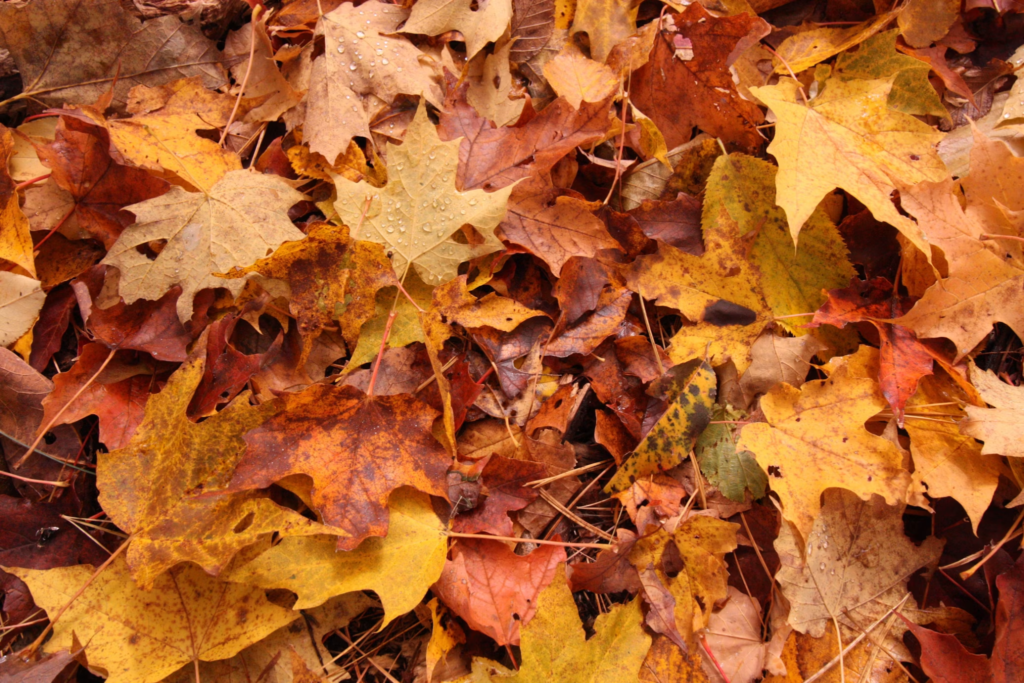
Photo from Unsplash.com
Fall Yard Cleanup Essentials
As summer’s heat fades into the cool, crisp air of autumn, your landscape starts getting ready for winter. The most obvious job is dealing with falling leaves. While a carpet of colorful leaves looks nice, if you leave it on your lawn for too long, it can smother the grass. Rake leaves off the grass regularly. Instead of bagging them for the curb, think about starting a compost pile or using them as natural mulch for your garden beds.
Your lawn will need a couple more mows before winter arrives. For the very last cut of the season, drop the mower blade back to its usual height. This helps stop the grass from getting matted down under the snow. Fall is also the perfect time to feed your lawn with a fertilizer made for winter. This gives it important nutrients that will strengthen the roots over winter and give your grass a head start in the spring.
Beyond the lawn, fall is the ideal time to plant spring-blooming bulbs. Tulips, daffodils, crocuses, and hyacinths all need that cold winter period to bloom beautifully in the spring. It’s also a good time to divide perennials that have gotten too big, like hostas and daylilies. Finally, take some time to clean, sharpen, and properly store your garden tools. A little maintenance now means they’ll be ready to go when you need them next spring.
Winterizing Your Outdoor Space
Winter might be the quietest time in the garden, but a few important tasks will protect your plants and set you up for success next year. For many homeowners, proper seasonal landscape maintenance in the colder months is crucial. Broadleaf evergreens like rhododendrons and boxwoods can get “winter burn” when dry winter winds pull water from their leaves. You can protect them by wrapping them in burlap or spraying them with an anti-desiccant in late fall.
One of the most important winterizing jobs is protecting your plumbing. Disconnect all garden hoses from their spigots, drain them completely, and store them in a garage or shed. If you have an in-ground irrigation system, you’ll need to have it professionally “blown out” with compressed air. This stops water from freezing and bursting the pipes. This small cost can save you from a very expensive repair bill.
Protect your outdoor furniture and containers too. Move patio sets to a sheltered spot or cover them with waterproof tarps. Clay and ceramic pots can crack if they freeze with wet soil inside, so it’s best to empty them and store them somewhere dry. Once the outdoor work is done, winter is the perfect time for planning. Curl up with a warm drink and look through seed catalogs, sketch out ideas for a new garden bed, or research plants you’d like to try next year.
Thinking about your yard care with the seasons in mind helps you create a beautiful, healthy landscape that you can enjoy all year long.