
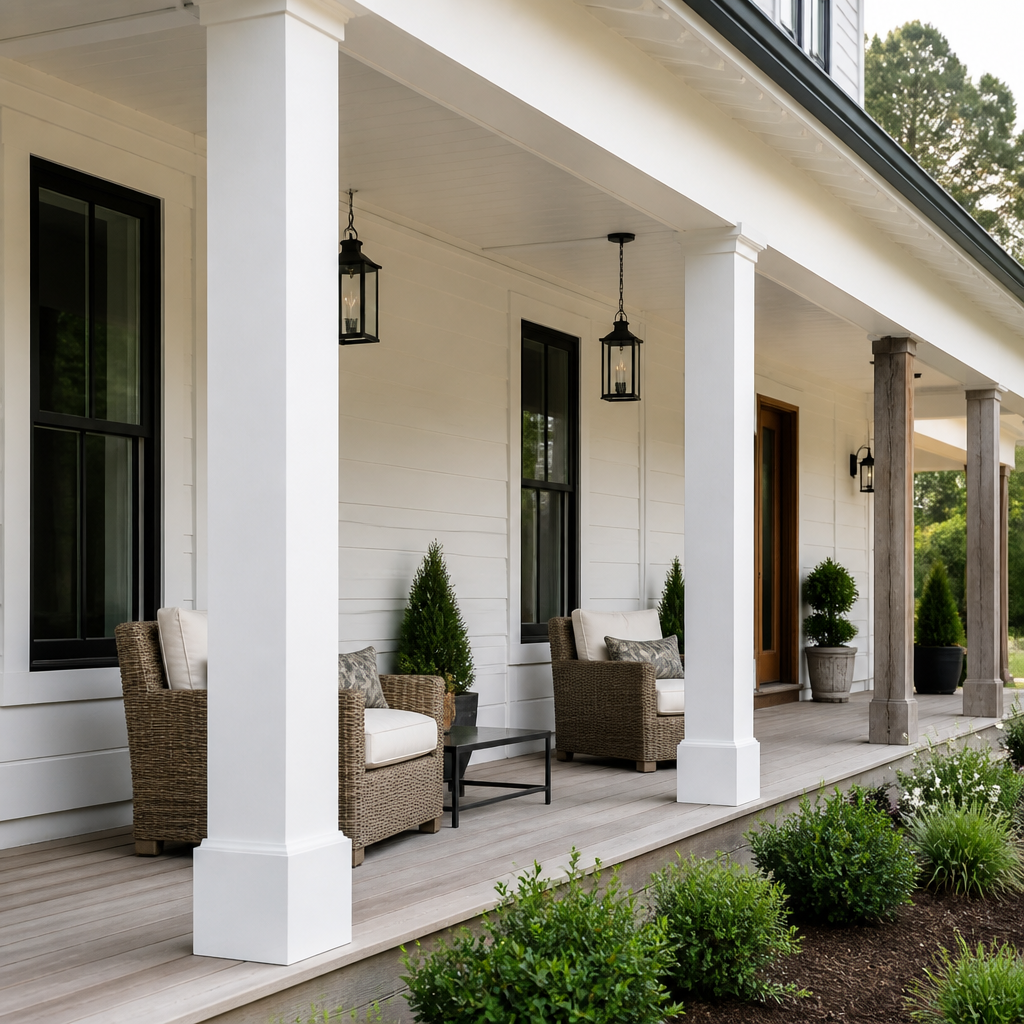
A porch is more than a transitional space between the outdoors and your home’s interior — it is a structural and aesthetic statement. The supports that hold up your porch roof define the character of your home’s facade, influence long-term durability, and determine how much maintenance you’ll face over the years. Whether you’re building a new porch from scratch or replacing aging columns, understanding your options is essential before committing to any design or material. From classic wood columns to modern composite alternatives, each support type carries its own set of trade-offs that deserve careful consideration.
Why Porch Supports Matter More Than You Think
Most homeowners focus on the porch deck, the railing, or the roofline when planning an outdoor renovation. The supports, however, are the backbone of the entire structure. They bear the load of the roof, resist wind forces, and anchor the visual design of the porch. A poorly chosen support — whether in terms of material, size, or style — can compromise both safety and curb appeal. Conversely, the right support system can elevate a modest home into something that looks architecturally intentional and well-crafted.
Beyond aesthetics, porch supports must comply with local building codes. Load-bearing requirements vary depending on roof span, snow load in colder climates, and the overall weight of the roofing material. Consulting with a structural engineer or licensed contractor before finalizing your design is always a wise step, particularly for larger or more complex porch configurations.
A Closer Look at Common Porch Support Materials
Wood: The Traditional Choice
Wood remains one of the most popular materials for porch columns and posts, largely because of its natural warmth and versatility. It can be milled into virtually any profile — from simple square posts to ornate turned columns — and accepts paint or stain beautifully. Hardwoods such as oak, mahogany, and teak offer exceptional strength and resistance to rot, making them well-suited for exterior applications. If you’re curious about the structural properties of different species, a detailed guide on identifying the most common hardwoods can help you understand which wood types are best suited for load-bearing outdoor use.
Pressure-treated pine is a more budget-friendly wood option that resists insects and moisture when properly sealed. However, it requires consistent maintenance — typically repainting or re-staining every few years — to prevent cracking, warping, and rot. For homeowners who enjoy hands-on upkeep, wood supports offer a rewarding, customizable experience. For those who prefer a more hands-off approach, other materials may be worth exploring.
Fiberglass and Composite Columns
Fiberglass columns have grown significantly in popularity over the past two decades, and for good reason. They mimic the appearance of traditional wood columns while offering far superior resistance to moisture, insects, and UV degradation. Unlike wood, fiberglass does not warp, crack, or rot, making it an excellent long-term investment for homeowners in humid or coastal climates. Composite columns — made from a blend of wood fibers and plastic resins — offer similar benefits and are often more affordable than full fiberglass options.
Both fiberglass and composite supports are available in a wide range of styles, from smooth contemporary profiles to detailed classical designs. They can be painted to match any exterior color scheme and typically require only occasional cleaning to maintain their appearance. For senior homeowners or those with limited mobility, low-maintenance materials like these are particularly appealing.
Steel and Aluminum Supports
Metal supports — particularly steel and aluminum — are most commonly found in modern or industrial-style homes, though they can be incorporated into traditional designs with the right finishing details. Steel posts offer exceptional structural strength and are often used when a slim profile is needed to support a heavy roof load. Aluminum, being lighter and naturally rust-resistant, is a practical choice for coastal environments where salt air accelerates corrosion in other metals.
The primary drawback of metal supports is their aesthetic limitation. Without cladding or decorative wraps, bare metal posts can feel cold and industrial in residential settings. Many homeowners choose to wrap metal structural posts in wood or composite sleeves to achieve the visual warmth of traditional columns while retaining the strength of a metal core.
Matching Support Style to Your Home’s Architecture
The style of your porch supports should complement your home’s overall architectural language. Craftsman-style homes typically feature tapered square columns resting on brick or stone piers. Colonial and Greek Revival homes call for tall, round columns with classical capitals and bases. Victorian homes often incorporate ornate turned spindles and decorative brackets. Modern farmhouse designs tend to favor clean, simple square posts in white or natural wood tones.
Mismatching support styles with your home’s architecture is one of the most common renovation mistakes. A set of ornate Victorian columns on a mid-century modern ranch home, for example, creates visual dissonance that can actually reduce curb appeal rather than enhance it. When in doubt, study the existing architectural details of your home — window trim profiles, roofline pitch, siding texture — and let those elements guide your column selection.
Low-Maintenance Considerations for Long-Term Homeowners
For homeowners who plan to age in place, the long-term maintenance burden of exterior features becomes an increasingly important factor. Porch supports that require frequent repainting, sealing, or structural repairs can become a significant challenge over time. This is why many older homeowners are turning to low-maintenance materials not just for their fencing, but for all exterior structural elements. As explored in this insightful piece on why senior homeowners benefit from low-maintenance fencing, reducing upkeep demands allows homeowners to enjoy their outdoor spaces without the burden of constant repairs.
The same logic applies directly to porch supports. Choosing fiberglass, composite, or powder-coated aluminum columns over raw wood can dramatically reduce the time and money spent on maintenance over a 10- to 20-year period. The upfront cost difference is often recovered within a few years when factoring in the savings on paint, sealant, and labor.
About Tarr River Timber
Tarr River Timber is a trusted resource for homeowners and builders seeking expert guidance on timber-based construction and exterior design. Their in-depth content library covers everything from material selection to structural planning, helping readers make informed decisions at every stage of a project. When it comes to understanding the full range of options available for your outdoor structure, their detailed breakdown of Porch Support Types is an excellent starting point for any renovation or new build.
Conclusion: Build with Intention
Choosing the right porch support is not simply a matter of picking a style you like from a catalog. It involves understanding load requirements, climate conditions, maintenance expectations, and architectural compatibility. Whether you gravitate toward the natural beauty of hardwood, the durability of fiberglass, or the strength of steel, the best choice is always the one that aligns with your home’s specific needs and your long-term lifestyle goals. Take the time to research thoroughly, consult professionals when needed, and invest in supports that will serve your home well for decades to come.