
Low turnout rarely means the event was weak. It usually means people never heard about it. Awareness is a distribution problem. Fix your channels and attendance follows.
Start With a Single Event Brief
Write one short brief before you promote anything. Every post, flyer, and email should pull from it.
Include these details:
- Event name
- Date, start time, and end time
- Full street address and parking notes
- Cost or RSVP link
- One sentence on who the event is for
Consistency builds trust. If a flyer says 6 PM and a post says 7 PM, people stay home.
Put Signage Where Traffic Is Steady
Online reach is only half the job. Residents pass the same corners, schools, and parks every day. Repeat exposure builds recall.
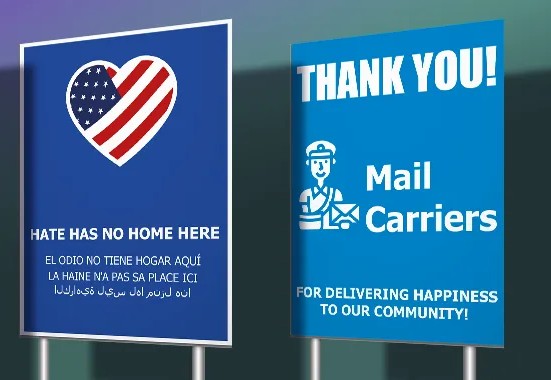
Well-placed community yard signs put your event at eye level along those routes. They cost little and work around the clock.
Keep the design simple. Use high-contrast colors. Limit the headline to seven words or fewer. Make the date the largest text. Add one short URL or a QR code.
Place signs two to three weeks out. Check Yonkers permit rules before you plant them. Ask property owners first.
Build an Email and Text List
Social platforms limit organic reach. Email does not. Collect addresses at every event with a sign-in sheet or a QR code.
Send three messages:
- The announcement, three weeks out
- A reminder, one week out
- A last call, 24 hours before
Keep subject lines under 50 characters. Put the date in the subject. Use plain text formatting so messages load fast on phones.
Text alerts work best for the final reminder. Keep them under 160 characters and include the address.
Make the Event Easy to Find Online
Search is how many people confirm details. Give them a clean result.
Create a dedicated page with its own URL. Use the event name, city, and year in the title tag. Add Event structured data so search engines can read the date, location, and ticket info. Schema.org publishes the exact fields.
Then post the event on a Facebook Event page. Add it to your Google Business Profile if you have one. Submit it to local online calendars as well.
Use the same title and description everywhere. Matching text helps search engines tie the listings together.
Lean on Word of Mouth
Personal networks still carry local news. A Pew Research Center analysis found that 73% of Americans get local news from friends, family, and neighbors at least sometimes.
So make sharing easy. Build a small promo kit and hand it to partners. Include a two-sentence caption, a square image for Instagram, and a printable flyer PDF.
Good partners to approach:
- Schools and PTAs
- Libraries
- Houses of worship
- Neighborhood associations
- Small businesses with foot traffic
Ask each partner to post once and share once. Small asks get a yes more often.
Pitch Local Media Early
Send a short note to local outlets two weeks before the event. Many run community calendars and accept submissions.
Lead with the facts. Cover who, what, when, where, and cost in the first two lines. Attach one high-resolution photo. Name a contact person with a phone number.
Do not write a long press release. Editors skim. Short notes get used.
Track What Works
Guessing wastes budget. Measure each channel instead.
Add UTM tags to every link you share. Use a unique QR code on each sign location. Ask a simple question at check-in: “How did you hear about this?”
After the event, compare results. Cut the weak channels. Put that time into the strong ones.
Keep a Repeatable System
Save your brief, signage files, email templates, and partner list in one shared folder. Next year, you start with a working playbook instead of a blank page.
Good awareness comes from steady, boring execution. Clear details, visible signs, reliable lists, and local partners will fill a room more often than any single clever idea.