
Community dental clinics introduce sensory accommodations and behavioral support to help children with unique sensory sensitivities maintain healthy smiles.
Walking into a dental operatory can feel like stepping into a storm of sensory chaos when your child processes sights, sounds, and touches differently. Blinding overhead lights, high-pitched scraping tools, and the sudden recline of a mechanical chair quickly trigger fight-or-flight reactions. You watch your child tense up, feeling protective and overwhelmed yourself.
Preventative oral care does not have to turn into an exhausting battle. Dental teams increasingly recognize these hurdles, adopting trauma-informed methods and soothing modifications that transform terrifying visits into calm, predictable experiences.
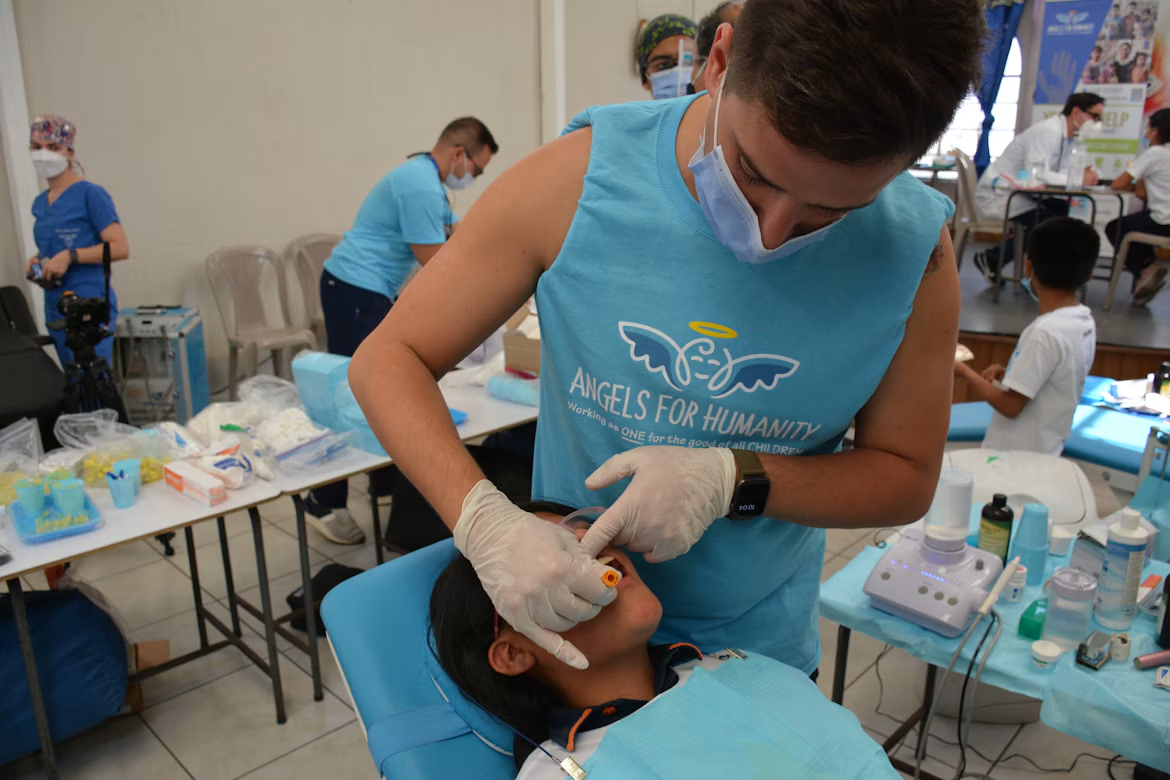
Photo by Angels for Humanity on Unsplash
What Makes Traditional Dental Clinics Overwhelming for Children?
Clinical environments bombard your child’s senses from the minute they cross the threshold. Cold metal instruments clatter against trays, clinical smells hang in the air, and staff members lean close while wearing protective masks that obscure facial cues. For children with sensory processing differences, these mundane stimuli register as immediate physical threats.
Noise ranks among the most distressing triggers during a standard checkup. Research published by MDPI indicates that high-frequency whirs from dental handpieces trigger intense dread in young patients, while acoustic dampening and ambient music lower measurable stress levels. When dental teams reduce acoustic friction, children maintain emotional regulation far more easily.
How Do You Select a Clinic Prepared for Sensory Differences?
Finding the right care team requires looking beyond standard pediatric credentials. When you begin searching for the terms “pediatric dentist for autism near me”, look for teams that prioritize patient autonomy and unhurried appointments. Compassionate clinicians welcome upfront conversations about lighting, sound reduction, and waiting room accommodations. That early dialogue helps your family establish trust before anyone sits in the exam chair.
You should evaluate how clinic staff speaks to your child during introductory calls. Supportive teams respect nonverbal communication, offer flexible appointment times during quiet morning hours, and invite you to complete sensory profile questionnaires. These steps confirm that the practice views your child as an individual rather than a checklist on a daily schedule.
What Environmental Changes Create a Calming Operatory?
Thoughtful physical spaces strip away the sterile, intimidating atmosphere typical of standard medical offices. Dimmed overhead tracks replace glaring fluorescent tubes, while weighted blankets provide deep pressure therapy that calms overstimulated nervous systems. Gentle clinics often position video monitors on the ceiling so your child can watch a familiar cartoon during treatment.
Clinical insights from Dental Economics reveal that enclosed treatment operatories with adjustable sound controls prevent sensory overload, while tinted glasses and flavorless cleaning pastes ease distress. Giving young patients sunglasses blocks harsh operative lights, while noise-canceling headphones muffle suction sounds. Small adjustments turn an unpredictable clinical setting into a secure, predictable haven.
How Can Desensitization Visits Transform Routine Cleanings?
Rushing straight into an operative procedure creates panic, which is why progressive exposure proves so effective. Sensory-friendly clinics offer “happy visits” where your child explores the office without facing any dental instruments. Your child practices sitting in the dental chair, meets the hygienist, and watches how the chair rises and reclines.
Clinicians use the “tell-show-do” approach to demystify every tool before it touches a tooth. The hygienist shows your child the soft rubber polishing cup, lets them feel its vibration on a fingernail, and explains its purpose using simple language. This gradual conditioning builds confidence step-by-step, removing the fear of the unknown.
Establish a Gentle Brushing Routine at Home
Consistent home hygiene lays the foundation for stress-free dental visits. When daily brushing becomes a predictable, tear-free ritual, children view oral health as a normal part of life rather than a dreaded chore. You can adapt bathroom routines to honor your child’s sensory preferences:
- Choose unflavored toothpaste: Foaming agents and sharp mint tastes overwhelm sensitive palates, making mild or flavorless options much easier to tolerate.
- Select soft bristles: Extra-soft bristles or flexible silicone brushes reduce harsh friction against delicate gumlines.
- Count rhythmically aloud: Predictable rhythms help your child anticipate when the brushing session finishes.
- Use visual timers: Sand timers or digital countdowns show tangible progress, giving your child clear expectations.
Pairing these sensory adaptations with positive reinforcement keeps the experience supportive. Celebrate small wins, whether your child brushes for 30 seconds or allows you to inspect their back molars. Consistent praise and patience build lasting oral hygiene habits.
Why Does Proactive Collaboration With Your Dental Team Matter?
You know your child’s sensory thresholds better than anyone else. Sharing clear details about specific triggers before appointments allows the clinical team to customize their treatment room before you arrive. Inform the staff if sudden vibrations, bright reflections, or certain body positions cause distress.
Dentists who embrace sensory-friendly methods view parents as equal partners in the operatory room. They pause procedures whenever your child signals discomfort, giving them brief sensory breaks to reset. That collaborative pacing protects your child’s emotional safety and transforms dental appointments into cooperative experiences.
Preventative oral healthcare remains fundamental to lifelong wellness, and it can be stress-free when practitioners offer patience and tailored accommodations. By seeking out understanding dental providers and creating gentle habits at home, you empower your child to protect their smile without fear. Compassionate care turns clinical dread into confidence, paving the way for a lifetime of healthy dental visits.