
In a business’s growth phase, an accounting firm runs into a lot of hurdles. Between serving clients, tracking vendor invoices, and handling daily tasks, keeping your financial records straight can easily feel overwhelming. When small finance teams face a high volume of paperwork and data entry, overall business growth slows down.
To keep things running smoothly without adding extra stress and ultimately leading to burnout, a lot of CFOs, Finance Heads, and business owners are choosing a better, more convenient alternative. According to a report, US firms that already use offshore networks, 65% plan to increase their outsourcing volume over the next year.
Here, we are exploring how outsourced bookkeeping services work, their key benefits, and why growing businesses are turning to them.
Why Growing Businesses Struggle with Financial Records
As your business takes on more clients and bigger projects, your day-to-day money tracking gets much harder. Small internal teams often run into common problems:
- Hiring Takes Too Much Time: Finding, hiring, and training qualified bookkeepers is expensive and takes weeks.
- High Workload: A sudden surge in invoices or seasonal pressure can overwhelm your team, leading to delayed reports and avoidable errors.
- Distracted Leadership: Finance leaders end up spending too much time fixing small accounting errors instead of focusing on CAS.
Clear financial records require consistent attention and solid systems. Bringing in dedicated external help solves these problems without increasing your internal headcount.
Core Services Included in Outsourced Bookkeeping
Professional outsourced bookkeeping services can help manage your routine financial tasks. Expert teams use proven processes to keep your financial records neat, accurate, and completely up to date.
- Bank and Credit Card Reconciliations
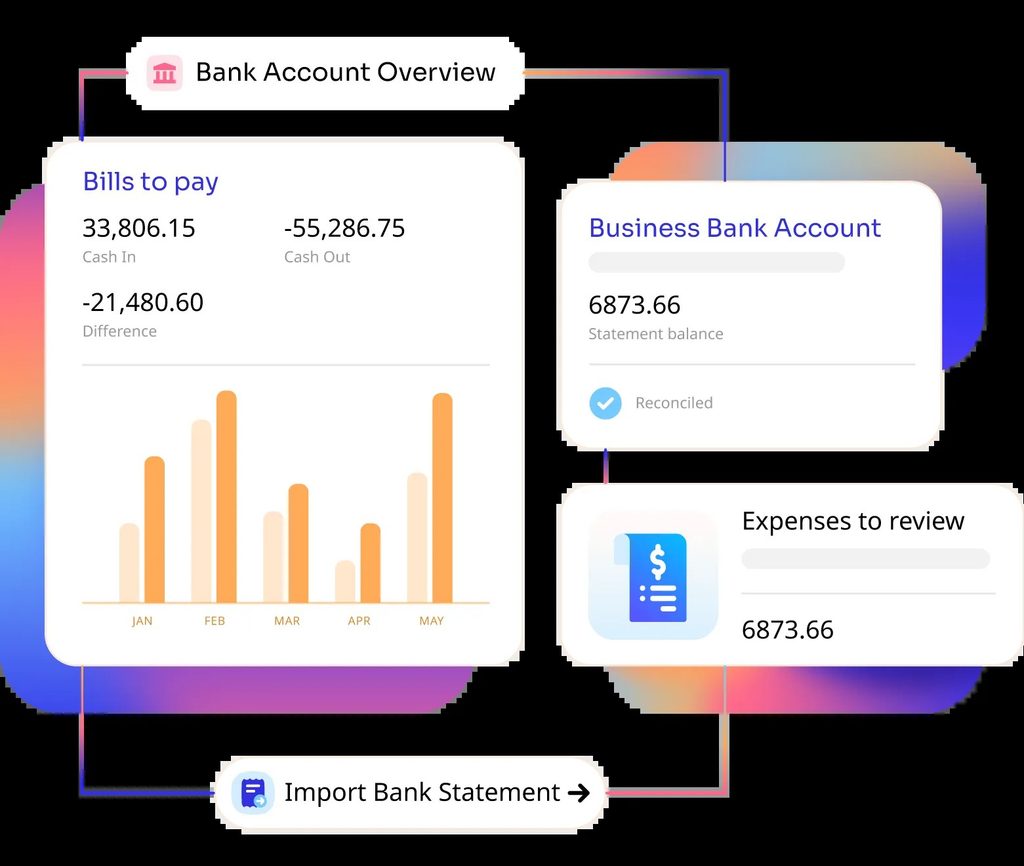
Good bookkeeping starts with matching your records against real activity. Offshore specialists compare your bank statements, credit card receipts, and accounting entries every week. This catches missing payments early and ensures your books always match your actual bank balance.
- Accounts Payable (Managing Vendor Bills)
External teams track incoming invoices, check them for accuracy, and schedule payments on time. This organized system helps you avoid late fees and build strong relationships with your vendors.
- Accounts Receivable (Tracking Customer Payments)
You cannot grow your business if you do not collect payments on time. A structured receivables team sends client invoices promptly, tracks unpaid bills, and follows up on late payments. This gives you a clear picture of when cash is coming into your business.
- General Ledger Maintenance
Your general ledger is the main logbook where every single dollar in and out is recorded. Specialized bookkeepers organize these entries into the right accounts. Keeping a clean general ledger makes month-end reporting simple, simplifies tax prep, and keeps you compliant with US state and federal regulations.
Key Benefits of External Bookkeeping Support
Choosing outsourced bookkeeping services gives your firm advantages that go far beyond basic calculations and tracking.
- High Accuracy with Standardized Workflows
Experienced offshore partners rely on detailed checklists and multi-step reviews. Every journal entry and statement check goes through quality controls. This systematic approach removes human error, standardizes your recordkeeping, and delivers accurate financial reports every month.
- Easy Scaling and Seamless Continuity
Business growth is rarely smooth; some months bring massive bursts of new clients. Offshore bookkeeping teams adjust instantly to higher transaction volumes without forcing you to recruit or train new staff. Plus, reputable partners maintain trained backup staff, ensuring your books are updated even if someone takes time off.
- More Time for High-level Planning
When external experts handle your daily bookkeeping tasks, internal business leaders reclaim precious hours. CFOs and business owners can redirect their energy toward big decisions, like expanding operations, managing cash flow, and planning future investments.
Comparing Your Operational Options
Here is a quick look at how handling bookkeeping internally compares to working with outsourcing bookkeeping services:
| Key Difference | In-house Bookkeeping | External Partner Model |
| Handling Growth | Requires recruiting and training new employees as workload increases | Scales up capacity instantly as your transaction volume grows |
| Daily Reliability | High risk of delays when staff call in sick, go on leave, or quit | Guaranteed continuous service using trained backup team members |
| Quality Control | Depends entirely on individual employee habits and manual effort | Driven by standardized checklists, proven procedures, and peer reviews |
| Management Effort | Requires continuous direct oversight, training, and administration | Self-managed team that delivers organized, ready-to-use financial data |
Secure Complete Financial Clarity
Keeping clear, timely, and accurate financial records is essential for long-term success. Relying on an overworked internal team creates unnecessary risks and slows your business down. Forward-thinking leaders realize that reliable outsourced bookkeeping services require strong systems, expert hands, and uninterrupted support.
By handing over daily financial details to trusted experts, growing businesses gain complete financial visibility, protect daily operations, and set themselves up for steady future growth.
Outsourcing partners like Befree provide reliable outsourced bookkeeping services built to help expanding companies maintain accurate financial records, stay compliant, and scale with total confidence. Speak to an expert to learn how you can get started: https://befreeltd.com/us/contact-us/