
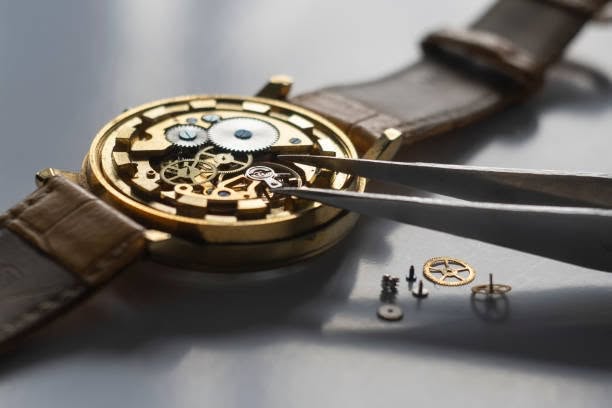
A luxury watch is more than a device for telling time. It is a finely engineered mechanical object made from dozens or even hundreds of carefully fitted components. These parts work together continuously, often for years, while being exposed to moisture, temperature changes, impacts, dust, and everyday wear. Regular servicing helps preserve accuracy, protect internal components, and prevent small issues from becoming expensive repairs. However, many owners are unsure how often a luxury watch actually needs professional attention. The right schedule depends on the watch, how it is worn, and the conditions it experiences.
The General Rule for Luxury Watch Servicing
Most mechanical luxury watches should receive a complete service approximately every five to seven years. Some manufacturers recommend shorter intervals, while others design modern movements to operate for eight to ten years before requiring an overhaul. Quartz luxury watches may need less frequent mechanical servicing, although their batteries, seals, and electronic components still require periodic inspection. The ideal luxury watch service frequency should therefore be based on the manufacturer’s guidance and the watch’s actual performance. A watch that is worn every day may need attention sooner than one that spends most of its time in a controlled storage environment. Owners should view the recommended interval as a guideline rather than a rigid deadline.
A complete service usually involves disassembling the movement, cleaning each component, replacing worn parts, applying fresh lubricants, and testing the watch for accuracy. The case and bracelet may also be cleaned, refinished, or polished if the owner requests cosmetic work. Water-resistant models are typically pressure tested, and their gaskets may be replaced to restore protection against moisture. This process is more extensive than a simple adjustment or battery replacement. Because luxury watches require brand-specific tools and technical knowledge, servicing should be handled by qualified professionals. Working with trusted watch repair specialists in Chicago can help ensure that the movement is examined and repaired according to appropriate standards.
Why Luxury Watches Need Routine Maintenance
Mechanical watch movements rely on tiny gears, springs, pivots, and bearings that move thousands of times each hour. Specialized oils reduce friction between these components, but those lubricants gradually dry out, migrate, or become contaminated. When lubrication deteriorates, the movement may continue running while internal parts experience increased wear. This damage can remain unnoticed until the watch begins losing time, stopping unexpectedly, or making unusual sounds. Regular servicing removes old oils and replaces them before excessive friction causes permanent damage. Preventive care is usually less expensive than replacing damaged wheels, pinions, or other movement components.
Moisture is another major concern, even for watches that are advertised as water-resistant. Gaskets around the crown, case back, and crystal naturally deteriorate with age and exposure to heat, chemicals, and movement. A worn gasket may allow humidity or liquid to enter the case, causing corrosion on the movement or discoloration on the dial. Water resistance should never be assumed simply because a watch was pressure tested several years ago. Divers, swimmers, and owners who regularly expose their watches to water should have seals and pressure resistance checked more frequently. An annual water-resistance test can provide reassurance without requiring a complete movement service.
Factors That Affect Service Frequency
Not every luxury watch requires the same maintenance schedule. A durable modern sports watch may tolerate demanding conditions better than a delicate vintage dress watch. Complicated watches with chronographs, perpetual calendars, minute repeaters, or tourbillons contain more components and may require specialized care. Vintage watches may also have aging parts that are difficult to replace, making preventive inspections especially important. The owner’s habits, environment, and storage practices can all affect how quickly components wear. A professional watchmaker can evaluate these variables and recommend a schedule based on the specific timepiece.
Several factors may indicate that a watch should be serviced sooner:
- The watch is worn daily or during physical activity.
- It is frequently exposed to water, humidity, dust, or extreme temperatures.
- The movement has a complex mechanical complication.
- The watch has experienced a hard impact or drop.
- The crown feels loose, stiff, or difficult to operate.
- The watch begins gaining or losing more time than usual.
- The power reserve becomes noticeably shorter.
- Condensation appears underneath the crystal.
Owners should not wait for several warning signs to appear before requesting an inspection. A sudden change in performance is often enough to justify professional evaluation. Continuing to wear a malfunctioning watch can increase the extent and cost of the repair.
Signs Your Luxury Watch Needs Immediate Attention
A watch that stops completely may simply need winding, a battery replacement, or a minor adjustment. However, repeated stopping can indicate dried lubrication, a damaged mainspring, or another internal problem. Significant changes in accuracy are also worth investigating, especially when the watch previously kept consistent time. Mechanical watches naturally gain or lose a small amount each day, but a sudden shift is not normal. Owners should track performance over several days before assuming that a single inaccurate reading signals a major fault. A watchmaker can use timing equipment to measure rate, amplitude, and beat error more precisely.
Visible moisture requires immediate attention because corrosion can begin quickly. If condensation appears under the crystal, the watch should be removed from the wrist and taken to a professional as soon as possible. The crown should not be operated because movement may pull additional moisture into the case. Scraping, rattling, grinding, or unusually loud ticking may also suggest that a component has become loose or damaged. Physical damage to the crystal, crown, pushers, or case back can compromise protection even when the movement still appears functional. Prompt inspection can reduce the risk of additional internal damage.
What Happens During a Professional Watch Service?
A professional service begins with an external inspection and a discussion of the watch’s condition. The watchmaker may test accuracy, winding performance, power reserve, water resistance, and the operation of any complications. After diagnosis, the movement is removed from the case and carefully disassembled. Components are cleaned in specialized equipment to remove old lubricant, dust, and microscopic debris. Each part is inspected for wear, corrosion, cracks, or deformation before the movement is reassembled. Replacement parts may be required if the inspection reveals damage.
Fresh lubricants are applied in carefully controlled amounts during reassembly. Too little oil can increase friction, while too much can spread into areas where lubrication does not belong. The movement is then adjusted and tested in several positions to evaluate accuracy and stability. Depending on the watch, testing may continue for several days to confirm power reserve and overall performance. The case, crown, crystal, pushers, and gaskets are examined before the watch is sealed and pressure tested. A reputable specialist should explain the completed work and provide information about replaced parts and service coverage.
Complete Service Versus Routine Maintenance
Not every visit to a watch repair professional requires a full overhaul. Routine maintenance may include replacing a battery, adjusting a bracelet, inspecting seals, cleaning the case, or testing water resistance. These smaller services can help maintain the watch between complete movement overhauls. Mechanical watches may also benefit from accuracy testing if the owner notices a minor change in performance. A qualified watchmaker can determine whether regulation is sufficient or whether internal servicing is necessary. Choosing the correct level of service helps avoid unnecessary work while still protecting the timepiece.
Owners should consider scheduling routine inspections more often than complete services. For example, a water-resistant watch may receive an annual pressure test while undergoing a full mechanical service only every five to seven years. A quartz watch may require a battery change every two to three years, depending on the movement and battery type. During battery replacement, seals and the battery compartment should be checked for leakage or deterioration. Vintage pieces may benefit from periodic condition assessments even when they are running well. These appointments allow potential concerns to be identified before they affect valuable components.
How to Choose a Qualified Watch Repair Specialist
Luxury watches should be serviced by professionals who have experience with high-grade mechanical and quartz movements. Owners should ask about training, certifications, equipment, replacement-part availability, and experience with the relevant brand. A professional workshop should use appropriate timing machines, pressure-testing tools, cleaning systems, and magnification equipment. Clear estimates and documented service recommendations are also signs of a reliable provider. The watchmaker should explain which repairs are essential and which cosmetic options are optional. Transparent communication is especially important when servicing vintage, rare, or highly complicated watches.
Local expertise can be valuable because owners can discuss the watch directly with the person evaluating it. Trusted watch repair specialists in Chicago may also provide convenient access to follow-up adjustments, inspections, and water-resistance testing. Before approving service, owners should confirm whether original parts will be used and whether replaced components will be returned upon request. They should also ask how refinishing may affect the shape, value, or originality of the case. Excessive polishing can soften edges and remove metal, particularly on older watches. A conservative approach is often preferable when preserving collector value is a priority.
Frequently Asked Questions
How often should an automatic luxury watch be serviced?
Most automatic luxury watches should be serviced every five to seven years. Some newer movements may support longer intervals, so owners should review the manufacturer’s recommendations. Daily wear, water exposure, and performance changes may justify earlier service. An annual water-resistance check is advisable for watches regularly exposed to moisture. A watchmaker can recommend a more specific interval after inspecting the movement and seals.
Does a luxury watch need servicing if it is rarely worn?
Yes, although it may not need service as frequently as a daily-wear watch. Lubricants can deteriorate over time, even when the movement is not running regularly. Gaskets can also dry out and lose elasticity while the watch is stored. A rarely worn watch should still be inspected periodically for accuracy, moisture protection, and signs of aging. Proper storage can help reduce unnecessary wear, but it does not eliminate maintenance needs.
How often should a quartz luxury watch be serviced?
Quartz watches typically need battery replacement every two to three years, although battery life varies by model. The seals should be inspected whenever the case is opened. A complete service may be necessary if the movement becomes inaccurate, stops unexpectedly, or shows signs of corrosion. Owners should replace depleted batteries promptly because leaking cells can damage the movement. Water-resistant quartz watches should also receive periodic pressure testing.
Can servicing reduce the value of a luxury watch?
Proper mechanical servicing generally protects a watch’s condition and long-term value. However, unnecessary polishing or replacing original vintage components may affect collectability. Owners of rare watches should discuss preservation priorities before authorizing cosmetic work. Original dials, hands, bezels, and case finishes may be especially important to collectors. A skilled watchmaker should distinguish essential mechanical repairs from optional restoration.
What happens if a luxury watch is never serviced?
A watch may continue running for years without service, but internal wear can gradually increase. Dried oils, worn components, damaged seals, and moisture intrusion can lead to expensive repairs. Performance problems may not appear until significant damage has already occurred. Neglect can also reduce water resistance and compromise the condition of the dial or movement. Regular preventive care is usually safer and more cost-effective than waiting for failure.
Protecting Your Watch Between Services
Good daily habits can help extend the time between major services. Owners should avoid exposing a watch to strong magnets, harsh chemicals, sudden temperature changes, and unnecessary impacts. The crown should always be pushed or screwed down securely before the watch is exposed to moisture. Watches should be rinsed with fresh water after saltwater exposure when the manufacturer permits it. Leather straps should be kept dry because moisture can cause deterioration and odors. A clean, dry, temperature-controlled storage location is preferable when the watch is not being worn.
Cleaning should be gentle and appropriate for the watch’s materials and water-resistance rating. A soft microfiber cloth can remove fingerprints, dust, and light residue from the case and bracelet. Owners should avoid opening the case or applying household lubricants to the crown or movement. Watch winders may be useful for certain complicated watches, but continuous operation is not always necessary for simple automatic models. Service records, receipts, and replaced-part documentation should be retained for insurance and resale purposes. Consistent care supports both reliable performance and long-term preservation.
Finding the Right Service Schedule for Your Watch
There is no single service interval that applies perfectly to every luxury watch. A five-to-seven-year schedule is a practical starting point for many mechanical models, but condition and usage matter just as much as age. Water resistance may require annual testing, while quartz watches need timely battery replacement and seal inspections. Owners should pay attention to accuracy, winding behavior, power reserve, unusual sounds, and visible moisture. These signs provide valuable information about whether a watch needs attention before its scheduled service date. Preventive maintenance remains one of the most effective ways to avoid extensive movement damage.
The best luxury watch service frequency combines manufacturer guidance, professional inspection, and realistic consideration of how the watch is used. A carefully maintained watch can deliver reliable performance for decades and may eventually be passed to another generation. Professional servicing protects the movement, preserves water resistance, and helps retain the watch’s appearance and value. Owners should seek qualified specialists rather than waiting until the watch stops completely. With thoughtful care and timely maintenance, a luxury watch can remain accurate, attractive, and dependable for many years.